


Deadly Ferry Disaster Strikes Southern Philippines: A Tragic Tale of Loss and Survival
Tragedy Unfolds in the Darkness
In the early hours of Monday morning, what should have been a routine ferry journey across the southern Philippines turned into a nightmare that claimed at least 18 lives and left families shattered. The M/V Trisha Kerstin 3, a cargo and passenger ferry carrying 359 people, sank near Baluk-baluk Island in Basilan province after departing from Zamboanga City en route to Jolo Island in Sulu province. The vessel, despite sailing through calm weather conditions, encountered sudden technical problems shortly after midnight that would prove catastrophic. The steel-hulled ferry abruptly tilted to one side and began taking on water at an alarming rate, plunging hundreds of passengers into the dark sea with little warning. Among the most heartbreaking stories to emerge from this disaster is that of Mohamad Khan and his family, who lost their 6-month-old baby in the chaos. As Khan recounted to volunteer rescuer Gamar Alih, his wife was holding their infant when the ferry suddenly lurched. In the confusion and panic that followed, she lost her grip on the child, and the family was separated in the churning waters. Though Khan and his wife were eventually rescued, their baby tragically drowned, representing the human cost of maritime disasters that continue to plague the Philippines despite modern safety regulations.
A Massive Rescue Operation Springs into Action
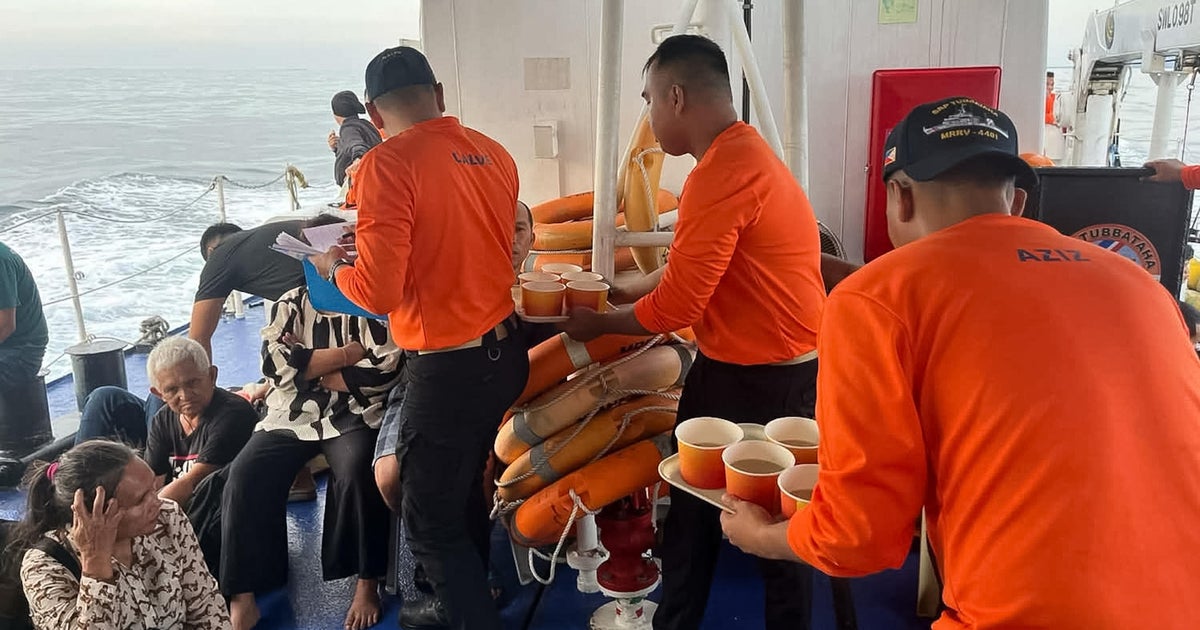
The response to the sinking was swift and comprehensive, involving multiple agencies and volunteers working together to save as many lives as possible. Two coast guard safety officers who had been aboard the ferry were instrumental in the rescue effort, being the first to alert authorities and request the deployment of rescue vessels. Their quick thinking and adherence to protocol undoubtedly saved countless lives in those critical early moments. Coast guard Commander Romel Dua coordinated an extensive search and rescue operation that mobilized coast guard and navy ships, a surveillance plane, an air force Black Hawk helicopter, and fleets of local fishing boats. The operation succeeded in rescuing at least 316 passengers and crew members from the waters, a testament to the dedication and efficiency of the rescue teams. The search continued throughout the day for approximately two dozen people believed to be missing, though there was some hope that this number might be lower than initially feared. Local media reported that up to 15 passengers who were listed on the ship’s manifest had decided not to board at the last minute and had refunded their fares, potentially reducing the actual number of missing persons.
Questions Surround the Cause of the Disaster
As rescue operations continued, investigators began the difficult task of determining what caused this modern ferry to sink so suddenly in good weather conditions. Commander Dua stated that the coast guard had properly cleared the ferry before it departed from Zamboanga port, and there were no indications of overloading, one of the more common causes of maritime accidents in the region. The fact that the vessel was a steel-hulled craft and had been deemed seaworthy makes the incident all the more puzzling and concerning. The ferry had been carrying 332 passengers and 27 crew members, numbers that were within the vessel’s capacity. The abrupt tilting to one side and rapid water intake suggests the possibility of a hull breach, mechanical failure, or some other catastrophic technical problem. A full investigation has been promised, and authorities will need to examine the vessel’s maintenance records, interview survivors about what they experienced in the moments before the sinking, and potentially conduct underwater surveys of the wreckage to determine the root cause. Understanding what went wrong is crucial not only for providing answers to the families of victims but also for preventing similar tragedies in the future.
The Human Face of Maritime Tragedy
The stories emerging from survivors paint a vivid picture of the terror and confusion that gripped the ferry as it began to sink. Passengers who had been settling in for what they expected to be a routine journey were suddenly thrown into a life-or-death struggle in the darkness. Many were separated from their loved ones in the chaos, not knowing if family members had made it to safety or were lost to the sea. Gamar Alih, a village councilor from Zamboanga City who volunteered to help with the search and rescue, had a personal stake in the operation—several of his relatives were among the ferry passengers. Fortunately, all of his family members survived, but his involvement highlights how these disasters ripple through entire communities. In places like the southern Philippines, where inter-island ferry travel is a way of life, nearly everyone knows someone who has been affected by maritime accidents. Basilan Governor Mujiv Hataman waited personally at Isabela, the provincial capital, as survivors and bodies were brought ashore, with ambulances standing ready to provide medical assistance. The image of Khan weeping beside his distraught wife as he recounted losing their baby in the dark waters serves as a powerful reminder that behind every statistic are real people with families, dreams, and futures that can be snatched away in an instant.
A Pattern of Maritime Disasters in the Philippines
Sadly, this latest incident is far from an isolated event in the Philippine archipelago, where sea accidents occur with disturbing frequency. The country’s geography—consisting of more than 7,000 islands—makes maritime transportation essential for commerce and daily life, but it also creates numerous opportunities for disaster. Several factors contribute to the Philippines’ poor maritime safety record: frequent tropical storms and typhoons that can arise with little warning, vessels that are often poorly maintained due to economic constraints, overcrowding as operators try to maximize profits, and inconsistent enforcement of safety regulations, particularly in remote provinces where oversight can be lax. The worst peacetime maritime disaster in world history occurred in Philippine waters in December 1987, when the ferry Dona Paz collided with a fuel tanker in the central Philippines, killing more than 4,300 people. While modern vessels are generally safer and regulations have been strengthened since that catastrophe, Monday’s sinking demonstrates that significant risks remain. The fact that this ferry had passed coast guard inspection, was not overloaded, and was traveling in good weather conditions yet still sank so suddenly suggests that more needs to be done to ensure maritime safety, particularly regarding vessel maintenance and technical reliability.
Moving Forward: Lessons and Prevention
As the search for missing passengers continues and families begin the painful process of mourning their loved ones, the Philippines once again faces questions about how to prevent such tragedies. The investigation into what caused the M/V Trisha Kerstin 3 to sink will be crucial in identifying any systemic failures that need to be addressed. If mechanical failure was responsible, it will raise important questions about inspection procedures and maintenance standards for commercial vessels. The presence of coast guard safety officers on board, who survived and were able to immediately alert rescue services, demonstrates the value of having trained personnel on passenger vessels. Expanding such requirements and ensuring these officers have the resources and authority to intervene when safety concerns arise could prevent future disasters. Additionally, improving emergency response capabilities, particularly in remote areas, can mean the difference between life and death when accidents do occur. The relatively successful rescue of more than 300 people from Monday’s sinking shows that when rescue services are properly coordinated and resourced, many lives can be saved. For the families of those who perished, particularly parents like the Khans who lost their infant child, no investigation or policy change can undo their loss. However, ensuring that lessons are learned from this tragedy and that concrete steps are taken to improve maritime safety would at least give meaning to these deaths and potentially prevent other families from experiencing similar heartbreak in the future.