


French Navy Strikes Major Blows Against International Cocaine Trafficking Networks
Massive Drug Seizures Across Two Oceans
In a remarkable display of international drug enforcement, France’s naval forces have dealt a significant blow to global cocaine trafficking operations with two major seizures spanning across the Pacific and Caribbean regions. Catherine Vautrin, France’s Armed Forces Minister, announced on Thursday that naval operations had successfully intercepted over four tons of cocaine from a vessel in the South Pacific, while simultaneously stopping a separate boat carrying an additional 678 kilograms of the illegal substance in the Caribbean Sea. These coordinated efforts represent a substantial disruption to what authorities describe as sophisticated, globalized trafficking networks that span multiple continents and exploit maritime routes to transport billions of dollars worth of illegal drugs.
The larger of the two operations took place in the crystal-blue waters surrounding French Polynesia, where French naval forces intercepted a vessel originating from Central America. Intelligence suggested this ship was bound for South Africa, highlighting the truly international nature of modern drug trafficking operations. The seizure of 4.24 tons of cocaine represents street value potentially worth hundreds of millions of dollars, depending on the destination market. Following the interception, authorities made the decision to destroy the massive cocaine cargo at sea, carefully selecting a location away from both the Polynesian economic zone and protected marine areas to minimize environmental impact. This destruction method, while perhaps seeming wasteful to some, is standard procedure in cases where bringing such quantities ashore would pose security risks or overwhelm local legal systems.
Visual Evidence and Military Professionalism
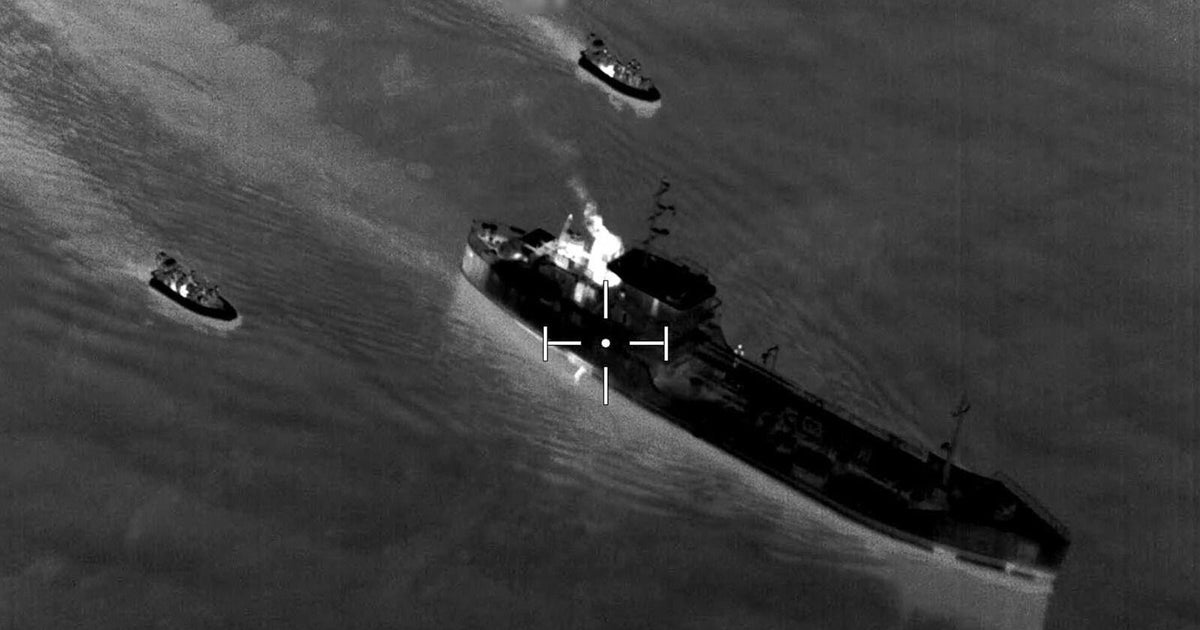
Minister Vautrin didn’t just announce these victories against drug trafficking—she provided compelling visual evidence of the operations’ success through social media channels. The images released by both Vautrin and French Polynesia’s high commission paint a vivid picture of modern naval interdiction operations. Aerial photographs show the dramatic moment of interception, with French naval vessels closing in on the suspected drug-running ship in open waters. Additional images displayed the seized contraband itself—countless packages of what authorities identified as cocaine, neatly stacked aboard French naval vessels as evidence of the operation’s success.
In her statement on X (formerly Twitter), Vautrin took the opportunity to praise the French armed forces for their “vigilance and professionalism to thwart a globalized trafficking network.” This commendation highlights not just this particular operation’s success, but the ongoing commitment required to monitor vast ocean territories and identify suspicious vessels among the countless legitimate ships that traverse international waters daily. The professionalism she referenced encompasses sophisticated surveillance capabilities, intelligence gathering from multiple sources, coordination between different military units, and the tactical skill required to safely intercept vessels at sea without endangering lives or allowing evidence to be destroyed.
Legal Complexities and International Cooperation
The handling of these cases reveals the complex legal landscape that governs international drug interdiction operations. In the Caribbean operation, French forces intercepted a boat carrying 678 kilograms of cocaine, but rather than processing the case through French courts, they handed the vessel and suspects over to Barbadian authorities. This transfer demonstrates the importance of international cooperation in fighting drug trafficking and respects regional jurisdictional boundaries. Meanwhile, the larger Pacific seizure presented different legal challenges altogether. Despite the massive quantity of drugs seized, the prosecutor’s office in French Polynesia made the decision not to bring charges against the vessel’s crew.
This decision not to prosecute might seem surprising given the enormous quantity of drugs involved, but it reflects a practical reality faced by small jurisdictions caught in the crossfire of international drug routes. French Polynesia’s local court system, serving a population of just 280,000 people, would be significantly burdened by prosecuting a major international drug trafficking case, especially when the drugs weren’t destined for the territory itself. The massive cargo was clearly just passing through French Polynesian waters as part of a much larger international operation. Consequently, under international law, authorities released both the vessel and its crew after seizing and destroying the contraband. While this might frustrate those seeking accountability, it represents a pragmatic approach that allows limited law enforcement resources to focus on crimes directly affecting local communities while still disrupting international trafficking networks by eliminating their product.
The Growing Pacific Drug Corridor
These recent seizures are far from isolated incidents. Just last month, French naval forces intercepted nearly five tons of cocaine from a fishing vessel in the same region, with intelligence suggesting that shipment was headed for Australia’s lucrative drug market. The United Nations has repeatedly warned in recent years that organized crime groups trafficking cocaine and methamphetamine have significantly expanded their presence throughout the Pacific region. What was once considered a relatively minor route for international drug trafficking has evolved into a major corridor for moving narcotics from their source in the Americas to eager markets thousands of miles away.
According to United Nations assessments, massive quantities of drugs are now being transported from production areas in North and South America specifically targeting the Australian and New Zealand markets, where prices for cocaine and other drugs are among the highest in the world. French Polynesia’s geographic location places it directly along these maritime trafficking routes, making its waters a natural waypoint for drug runners making the long journey across the Pacific. The territory itself has not escaped unscathed from this traffic passing through its waters—French Polynesia has been significantly affected by methamphetamine use, with the drug finding its way into local communities despite not being the intended final destination for most shipments. However, the territory’s relatively small population of 280,000 inhabitants means it is spared from being a prime target for large-scale drug distribution operations, as traffickers focus on the much larger and more profitable markets in Australia, New Zealand, and mainland Asian countries.
Ongoing Vigilance in the War on Drugs
These latest seizures underscore both the successes and ongoing challenges in the international effort to combat drug trafficking. On one hand, the French navy’s ability to intercept over 4.9 tons of cocaine in just the past month demonstrates that law enforcement can achieve meaningful disruptions to trafficking operations through vigilant monitoring, good intelligence, and professional execution of interdiction operations. The destruction of this quantity of cocaine represents a significant financial loss for trafficking organizations and potentially prevents the drug from reaching communities where it would cause immeasurable harm through addiction, associated crime, and social disruption.
On the other hand, these seizures also reveal the enormous scale of the drug trade and the sophisticated nature of modern trafficking networks. The fact that criminals are willing to risk transporting multi-ton quantities of cocaine across thousands of miles of open ocean, from Central America through French Polynesia to South Africa, or from the Americas to Australia, demonstrates both the massive profits involved and the organizational capability of these criminal enterprises. For every shipment intercepted, authorities know that others likely slip through undetected. The involvement of multiple continents, the use of various vessel types from fishing boats to cargo ships, and the establishment of routes through remote Pacific waters all point to trafficking organizations that are well-funded, highly adaptive, and global in scope. The ongoing vigilance that Minister Vautrin praised will need to continue indefinitely, as these criminal networks show no signs of abandoning such profitable operations despite the risks and occasional spectacular losses like these recent seizures.