
Lightning Strike at Brazilian Political Rally Leaves Dozens Injured
Tragedy Strikes Pro-Bolsonaro Demonstration
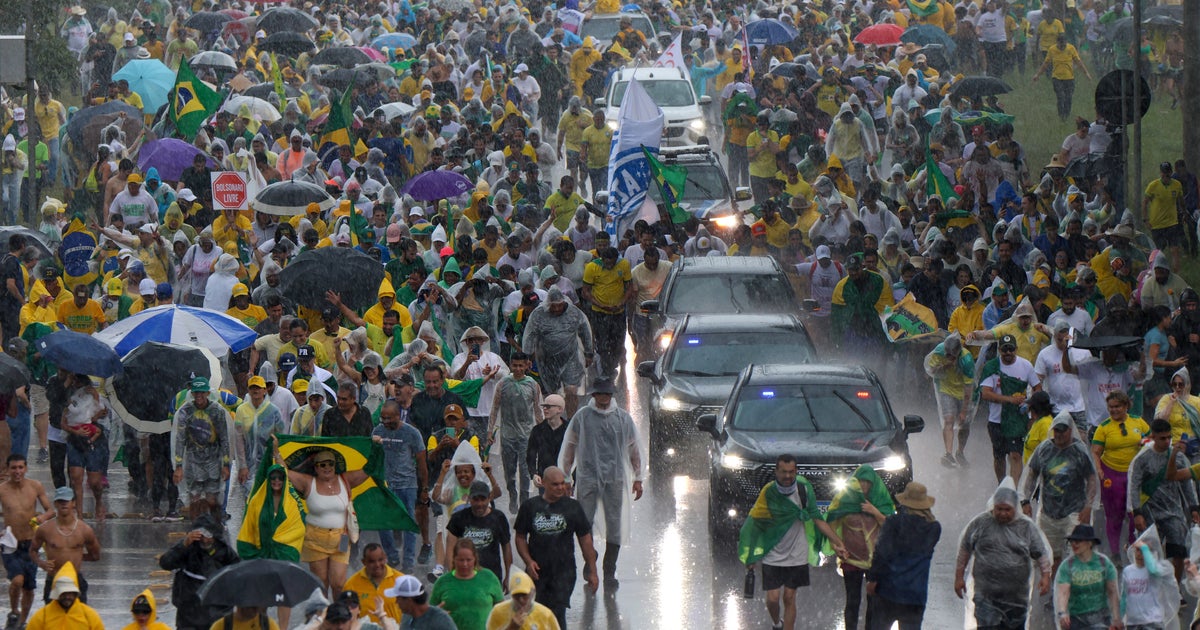
A dramatic and terrifying scene unfolded in Brazil’s capital city of Brasilia this past Sunday when lightning struck near a large political rally, injuring 89 people who had gathered to support the country’s imprisoned former president, Jair Bolsonaro. Despite threatening weather conditions and persistent rainfall, thousands of dedicated supporters had assembled in the capital to demonstrate their continued loyalty to the controversial far-right leader, who is currently serving a 27-year prison sentence for his role in orchestrating a failed coup attempt after losing his bid for re-election by a narrow margin. The sudden natural disaster turned what was meant to be a show of political solidarity into a medical emergency, as first responders rushed to treat dozens of people struck by the powerful electrical discharge. Videos captured by attendees and shared widely on social media platforms showed the chaotic moment when a brilliant flash of light tore through the gray, rain-soaked sky, followed immediately by a deafening boom that sent shockwaves through the colorful sea of umbrellas and plastic rain ponchos worn by the demonstrators.
Emergency Response and Medical Treatment
The Brasilia fire department mobilized quickly in response to the lightning strike, with emergency medical personnel working efficiently at the scene to assess and treat the injured supporters. According to official statements provided to the AFP news agency, first responders treated a total of 89 people directly at the rally location, triaging victims based on the severity of their injuries. Of those treated at the scene, 47 individuals required transport to area hospitals for further medical evaluation and treatment, indicating they had sustained more serious injuries from the lightning strike or the resulting panic and chaos. Most concerning were the eleven people who fire department officials classified as requiring “major medical care,” suggesting they suffered significant trauma from the electrical strike. The remaining victims who were treated and released at the scene likely experienced minor injuries, shock, or anxiety related to the frightening incident. The swift and organized response by Brasilia’s emergency services undoubtedly prevented what could have been an even more tragic outcome, as lightning strikes in crowded areas can be particularly deadly due to the phenomenon of “ground current,” where electricity spreads outward through the earth from the strike point, potentially affecting many people simultaneously.
The Purpose Behind the Rally
The gathering that ended so dramatically was not a spontaneous assembly but rather a carefully organized political demonstration orchestrated by Brazilian lawmaker Nikolas Ferreira, a prominent political figure who has remained steadfastly aligned with Bolsonaro even after his imprisonment. The stated purpose of the rally was to demand “amnesty” for the former president, calling for his release from custody and the dismissal of the charges that led to his lengthy prison sentence. This event represents just one of many demonstrations that Bolsonaro’s supporters have staged since his incarceration, reflecting the deep political divisions that continue to characterize Brazilian society. The former president still commands fierce loyalty from a substantial portion of the Brazilian population, who view him as a victim of political persecution rather than a criminal who attempted to undermine democratic processes. These supporters, undeterred by rain or the potential consequences of publicly backing a convicted coup plotter, demonstrate the enduring power of Bolsonaro’s political brand and the passionate commitment of his base, who traveled to Brasilia specifically to make their voices heard and to show their imprisoned leader that he has not been forgotten by those who once elevated him to the highest office in Brazil.
Bolsonaro’s Current Circumstances in Prison
Jair Bolsonaro is currently being held at the Papuda penitentiary complex in Brasilia, where he is serving his 27-year sentence for leading the failed coup d’état that followed his narrow electoral defeat. However, his time in prison has been complicated by ongoing and serious health issues that have required multiple medical interventions and hospital visits. The most significant of these health problems stems from a traumatic incident during his 2018 presidential campaign, when he was stabbed during a campaign event—an attack that left him with lasting internal injuries and chronic medical complications. These pre-existing conditions have continued to plague him during his incarceration, requiring prison officials to arrange for specialized medical care. Most recently, in December, Bolsonaro spent an entire week hospitalized following surgery to repair a groin hernia, a procedure that was further complicated by his need for treatment for persistent and painful hiccups, a condition that can sometimes indicate serious underlying medical issues. Earlier this month, he underwent additional medical tests after suffering a fall within the prison facility, though fortunately those examinations revealed no serious new injuries. His supporters frequently cite these health problems as additional justification for their calls for amnesty or at least a transfer to house arrest, arguing that the prison environment is inadequate for someone with such complex medical needs.
The Political Context and Aftermath of the Coup Attempt
Bolsonaro’s current imprisonment is the direct result of his actions following his loss in Brazil’s presidential election, when he refused to accept the results and instead attempted to orchestrate a coup to maintain his grip on power. The attempt ultimately failed, but not before causing significant political upheaval in Brazil and raising serious concerns about the stability of democratic institutions in Latin America’s largest nation. His 27-year sentence reflects the gravity with which Brazilian courts viewed his actions—not merely as the protests of a sore loser, but as a genuine threat to constitutional democracy and the rule of law. The failed coup attempt drew international condemnation and comparisons to similar events in other countries where populist leaders have refused to accept electoral defeat. Despite his conviction and imprisonment, Bolsonaro remains a polarizing figure in Brazilian politics, with supporters viewing him as a champion of conservative values who was railroaded by a corrupt establishment, while his opponents see him as a dangerous authoritarian who attempted to destroy democracy when voters rejected him. This deep polarization ensures that events like Sunday’s rally will continue to occur, as his supporters refuse to abandon their champion even as he sits behind bars.
The Broader Implications and Future Outlook
The lightning strike that injured 89 people at Sunday’s rally serves as a stark and almost symbolic reminder of the volatile and unpredictable nature of Brazil’s current political climate. The fact that thousands of people were willing to gather in dangerous weather conditions to support a convicted coup plotter demonstrates the intensity of political passions in contemporary Brazil and the challenges the country faces in healing its deep social and political divisions. Looking forward, Bolsonaro’s supporters are unlikely to abandon their calls for his release, and rallies like Sunday’s—hopefully without natural disasters—will probably continue as long as he remains imprisoned. The demands for amnesty raise complex questions about justice, reconciliation, and political stability in Brazil. Granting amnesty could be seen as undermining the rule of law and sending a message that powerful politicians are above accountability, potentially encouraging future attempts to subvert democratic processes. However, keeping Bolsonaro imprisoned while his health deteriorates and his supporters grow increasingly agitated could also destabilize the country, potentially leading to larger and more volatile demonstrations. Brazilian authorities must navigate these treacherous political waters carefully, balancing the need for justice and accountability with concerns about social peace and political stability, all while dealing with the unpredictable passions of a deeply divided electorate that shows no signs of finding common ground anytime soon.