


Ukraine-Russia Peace Talks: A Complex Path Toward Ending Years of Conflict
New Round of Negotiations Scheduled for Abu Dhabi
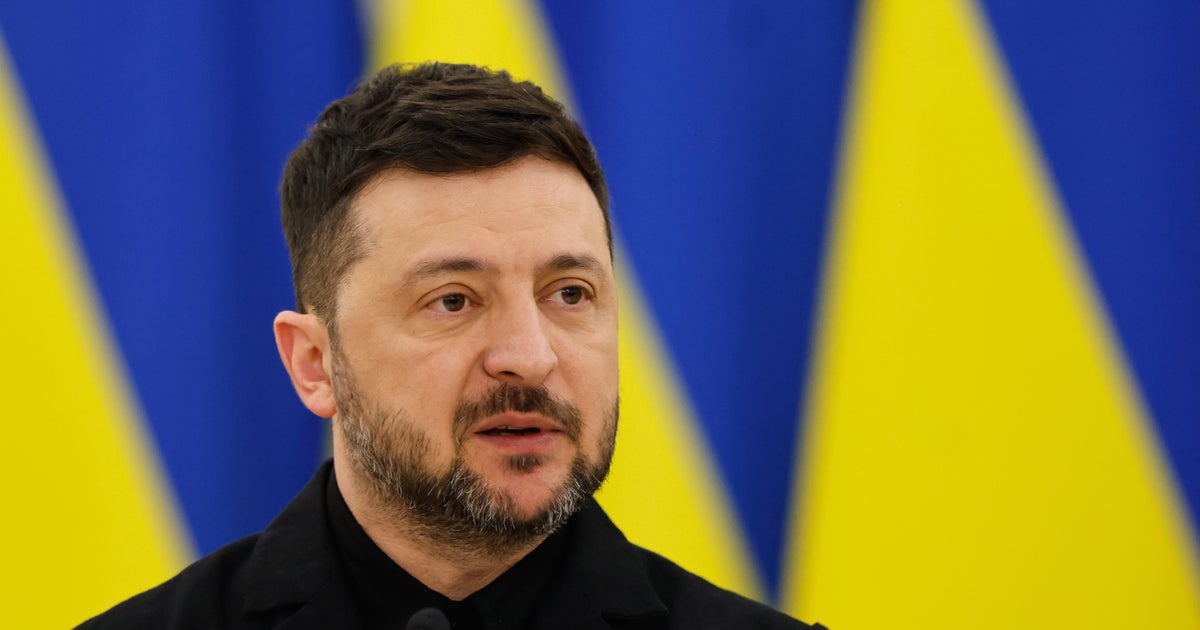
The diplomatic efforts to end the devastating war between Russia and Ukraine are moving forward, with Ukrainian President Volodymyr Zelenskyy confirming that the next round of peace negotiations will occur on February 4th and 5th in Abu Dhabi. This announcement, made through Zelenskyy’s Telegram channel on Sunday, represents a continuation of trilateral talks involving Ukraine, Russia, and the United States. The Ukrainian president expressed his country’s readiness for meaningful discussions, emphasizing that Ukraine seeks “substantive talks” aimed at achieving “a real and dignified end to the war.” These upcoming meetings carry significant weight as they represent part of a broader effort by the Trump administration to facilitate negotiations between the warring parties after nearly four years of intense conflict. While the exact agenda remains undisclosed, the willingness of all parties to continue meeting suggests there’s at least some momentum toward finding a diplomatic solution, even as the fighting continues on the ground.
American Mediation Efforts Show Progress
Prior to Zelenskyy’s announcement about the Abu Dhabi talks, significant diplomatic activity was already underway in the United States. On Saturday, top Russian envoy Kirill Dmitriev met with American officials in Florida, a meeting that both Russian and U.S. representatives characterized as “constructive” and “productive.” U.S. special envoy Steve Witkoff led the American delegation, which included high-profile figures such as Treasury Secretary Scott Bessent, White House senior adviser Josh Gruenbaum, and notably, Jared Kushner, President Trump’s son-in-law. The inclusion of such senior American officials signals the importance the current administration places on brokering a peace agreement. Witkoff’s comments following the meeting suggested cautious optimism, stating that the talks were “part of the U.S. mediation effort toward advancing a peaceful resolution of the Ukrainian conflict.” He also expressed gratitude for President Trump’s leadership in seeking what he called “a durable and lasting peace.” This American involvement represents a distinctly hands-on approach to international diplomacy, with the Trump administration positioning itself as a central mediator in one of the most significant geopolitical conflicts of the 21st century.
Deep Divisions Remain on Key Issues
Despite the diplomatic progress represented by continued negotiations, fundamental disagreements between Russia and Ukraine remain substantial obstacles to any lasting peace agreement. The most contentious issue centers on territorial control—specifically, whether Russian forces should withdraw from Ukrainian territory they currently occupy or be allowed to retain some or all of these areas as part of a settlement. The Donbas region, Ukraine’s eastern industrial heartland, sits at the center of this dispute. Russia has occupied significant portions of this area and has expressed interest in controlling even more territory there that its forces haven’t yet captured. For Ukraine, accepting Russian control over any occupied territory represents an extremely difficult political and moral decision, as it would mean acknowledging the loss of sovereign land and potentially abandoning Ukrainian citizens living in those areas. For Russia, withdrawing from occupied territories without significant concessions would represent a strategic defeat after years of costly warfare. This fundamental disagreement illustrates why, despite both sides agreeing “in principle” with Washington’s calls for compromise, the actual shape of any potential agreement remains unclear. Officials involved in the talks have revealed very few details about the discussions, making it difficult to assess how close or far apart the parties truly are on these critical questions.
Violence Continues Despite Diplomatic Efforts
The ongoing peace talks have not brought any respite to Ukrainian civilians, who continue to suffer from Russian attacks on cities and civilian infrastructure. On Sunday morning, Russian attack drones struck a maternity hospital in Zaporizhzhia, a city in southern Ukraine, wounding initially three women and later a total of six people, according to reports from Ukrainian emergency services and regional administration head Ivan Fedorov. The attack sparked a fire in the hospital’s gynecology reception area, though emergency responders were able to extinguish it. This attack on a medical facility housing some of society’s most vulnerable people—pregnant women and newborns—highlights the human cost of the conflict and the challenges of maintaining any goodwill during negotiations when attacks continue unabated. The strike on the maternity hospital is particularly concerning given recent discussions about limiting attacks on certain targets. Just days before, President Trump had announced that Putin agreed to temporarily halt strikes on Kyiv and other major Ukrainian cities, particularly as the region endures freezing winter temperatures that have brought widespread hardship. However, the Kremlin’s response to this announcement was ambiguous at best, confirming only a pause in strikes on Kyiv until Sunday while refusing to provide details that would allow independent verification of the agreement.
Widespread Attacks Across Ukraine
The attack on the Zaporizhzhia maternity hospital was unfortunately not an isolated incident but part of a broader pattern of Russian strikes across Ukrainian territory. Over the past week, Russian forces have targeted energy infrastructure in Odesa in southern Ukraine and Kharkiv in the northeast—attacks particularly devastating during winter months when heating is essential for survival. The Kyiv region itself was struck on Wednesday, despite the supposed agreement to pause attacks on the capital, resulting in two deaths and four injuries. In the overnight hours leading into Sunday, Russia launched an extensive drone assault involving 90 attack drones, with 14 successfully striking nine different locations across Ukraine, according to the Ukrainian air force. Among the casualties were a woman and a man killed in Dnipro, an eastern Ukrainian city, as reported by local administration head Oleksandr Hanzha. Additionally, Russian shelling hit central Kherson, a southern Ukrainian city, shortly after 7 a.m. local time, seriously wounding a 59-year-old woman. This sustained campaign of attacks demonstrates that while diplomatic channels remain open and talks continue, the military dimension of the conflict shows no signs of de-escalation, creating a challenging environment for negotiations and raising questions about the sincerity of any commitments made during diplomatic discussions.
The Road Ahead: Uncertainty and Hope
As the February 4-5 Abu Dhabi meetings approach, the international community watches with a mixture of hope and skepticism. The Trump administration’s active involvement in mediating the conflict represents a significant American commitment to ending the war, and the willingness of both Ukraine and Russia to continue engaging in talks suggests that all parties recognize the unsustainability of endless conflict. However, the continued violence on the ground, the deep divisions over territorial issues, and the lack of transparency about what’s actually being discussed in these negotiations all point to the enormous challenges that remain. For Ukraine, any peace agreement must address not just an immediate cessation of hostilities but also questions of sovereignty, territorial integrity, security guarantees, and justice for war crimes. For Russia, the calculus involves balancing military gains with the costs of international isolation, economic sanctions, and continued warfare. For the United States and other mediating parties, the challenge lies in crafting a framework that both sides can accept while establishing mechanisms to ensure any agreement is honored and sustained over time. The coming weeks will be critical in determining whether these peace talks can transition from procedural meetings to substantive negotiations that genuinely chart a path toward ending one of Europe’s deadliest conflicts since World War II. While no one expects immediate breakthroughs, the continuation of dialogue itself represents a crucial lifeline toward a peaceful resolution, even as the suffering of ordinary Ukrainians continues unabated.