


Tragic Plane Crash in Colombia Claims 15 Lives, Including Dedicated Human Rights Lawmaker
A Community in Mourning After Fatal Accident
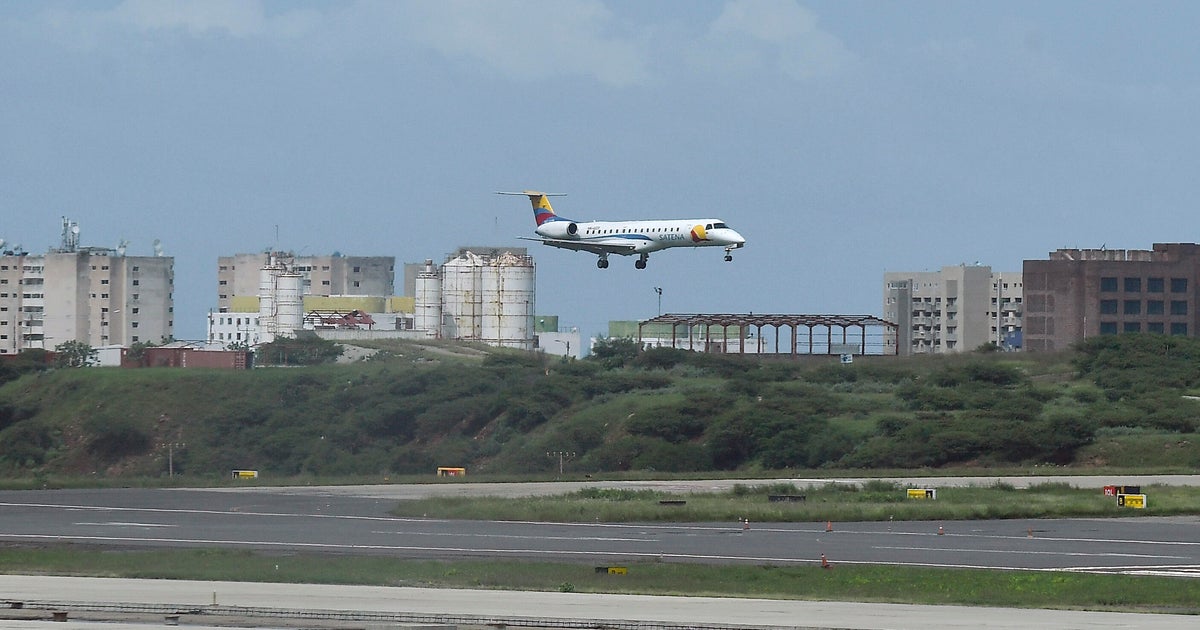
A devastating aviation tragedy unfolded Wednesday in the remote mountainous region of Norte de Santander, northeastern Colombia, when a small commercial aircraft crashed, claiming the lives of all 15 people aboard. The passengers and crew were traveling on what should have been a routine 40-minute domestic flight operated by Satena, Colombia’s state-owned airline. Among those killed was Diógenes Quintero, a respected lawmaker who had dedicated his career to representing victims of Colombia’s long and painful armed conflict. The crash site was located near the small community of Curasica by local residents, who immediately notified authorities. Emergency rescue teams were quickly dispatched to the remote location, initially hoping to find survivors, but their hopes were tragically dashed when they reached the wreckage. Colombia’s Transportation Ministry later confirmed the heartbreaking news that there were no survivors, plunging families, communities, and the entire nation into profound grief.
Details of the Ill-Fated Journey
The doomed aircraft, registered as HK4709, departed from Cúcuta’s airport at 11:42 a.m. local time, carrying 13 passengers and two crew members on a scheduled flight to Ocaña, a municipality nestled among Colombia’s challenging mountain terrain. The flight path, though relatively short in distance, requires navigation through the region’s complicated topography, where mountains create natural obstacles for aviation. According to Satena’s official statement, the last communication between the aircraft and air traffic control occurred just minutes after takeoff, suggesting that whatever catastrophic event caused the crash happened early in the flight. This timing has raised questions about whether mechanical failure, weather conditions, or other factors may have contributed to the disaster. Authorities have not yet determined the cause of the crash, but they have promised a thorough investigation to understand what went wrong and prevent similar tragedies in the future. The investigation will likely examine the aircraft’s maintenance records, weather conditions at the time of departure, pilot communications, and any other relevant factors that could shed light on this devastating incident.
A Leader Lost: Remembering Diógenes Quintero
Among the victims, the loss of Diógenes Quintero has resonated particularly deeply throughout Colombia. Quintero was far more than just a politician; he was a passionate advocate for those who had suffered most during Colombia’s decades-long internal armed conflict. A lawyer by training and a humanitarian by calling, Quintero represented the troubled border region between Colombia and Venezuela, an area that has experienced significant violence and displacement over the years. In 2022, he achieved a historic milestone when he was elected as one of 16 special representatives in Colombia’s lower chamber of congress, positions specifically created to give voice to the more than 9 million victims of the country’s armed conflict. These unique legislative seats were established as part of the landmark 2016 peace agreement between the Colombian government and the Revolutionary Armed Forces of Colombia (FARC), the country’s largest guerrilla organization. Quintero’s election to this position represented hope for countless Colombians who had endured violence, displacement, and loss during the conflict. Also aboard the flight were members of Quintero’s dedicated team, including Natalia Acosta, who was remembered by colleagues as someone who “looked after the entire team and filled every space with happiness,” and Carlos Salcedo, a candidate preparing for Colombia’s upcoming congressional elections in March.
A Nation United in Grief
The reaction to the crash has been swift and emotional across all levels of Colombian society. Quintero’s political party, the U Party, released a statement expressing deep remorse and honoring him as “a leader committed to his region, with a firm vocation for service.” President Gustavo Petro took to social media platform X to express his condolences, writing that he was “deeply sorry for these deaths” and extending “full solidarity to their families.” Vice President Francia Márquez echoed these sentiments in her own statement, describing the loss as “irreparable” and noting that it had “plunged the entire country into mourning.” These expressions of grief from Colombia’s highest officials reflect the widespread impact of this tragedy, which has touched communities far beyond the immediate families of the victims. The crash has also highlighted the risks associated with air travel in Colombia’s challenging geography, where mountainous terrain and sometimes unpredictable weather can create hazardous conditions for aviation. For the families waiting at the Ocaña airport for their loved ones to arrive, the day began with anticipation and ended in unimaginable heartbreak.
The Human Cost Beyond Politics
While Quintero’s political prominence has understandably drawn significant attention, the crash claimed 14 other precious lives, each representing individual stories, dreams, and families now forever changed. The two crew members who were piloting and serving on the flight were professionals doing their jobs, likely having made this route many times before. The other passengers included not only political colleagues and associates of Quintero but also ordinary Colombians traveling for various personal and professional reasons. Each person aboard that aircraft had plans for their arrival in Ocaña—meetings to attend, family to embrace, work to accomplish. Natalia Acosta, remembered for her joyful spirit and dedication to her team, represented the many young professionals working to build a better Colombia. Carlos Salcedo, the congressional candidate, was pursuing his own aspirations to serve his country and community. The other passengers, whose names and stories are still emerging, were individuals with their own networks of loved ones now coping with sudden, traumatic loss. In small communities like those in Norte de Santander, such tragedies resonate across multiple generations and extended families, creating waves of grief that will be felt for years to come.
Moving Forward: Investigation and Legacy
As Colombia begins the difficult process of investigating this tragedy and mourning those lost, questions about aviation safety and the specific circumstances of this crash will demand answers. The investigation will need to examine multiple factors: the aircraft’s maintenance history and mechanical condition, weather data from the time of the flight, pilot qualifications and recent performance, air traffic control communications, and any potential systemic issues that may have contributed to the crash. For the families of the victims, these answers, while important, cannot restore what has been lost. The coming days will bring funeral services, memorials, and the challenging work of continuing life’s responsibilities while carrying the weight of grief. For Quintero’s constituents—the victims of armed conflict he represented—his death represents not only personal loss but also the loss of a powerful advocate in government. His seat will eventually be filled, but his unique combination of legal expertise, personal connection to the region, and passionate advocacy will be difficult to replace. The legacy of his work, however, will continue through the peace process he supported and the structures created to ensure victims have representation in Colombian democracy. This tragedy serves as a sobering reminder of life’s fragility and the importance of honoring those who dedicate themselves to service, whether as public servants like Quintero or as aviation professionals ensuring people can travel safely across their country’s challenging terrain.