


Ukraine Faces Widespread Power Outages as Winter Bites and Peace Talks Loom
A Nation Plunged into Darkness
Ukrainians across multiple cities found themselves without electricity on Saturday as emergency power cuts swept through the country, extending even beyond its borders into neighboring Moldova. The blackouts struck at a particularly difficult time, as the nation grapples with one of its harshest winters in recent memory. Ukrainian Energy Minister Denys Shmyhal explained that the widespread outages weren’t the result of enemy action this time, but rather a technical malfunction affecting the crucial power lines connecting Ukraine and Moldova. This technical failure triggered what he described as a “cascading outage” across Ukraine’s already fragile power grid, causing automatic protection systems to kick in and shut down electricity across vast areas.
The impact of these blackouts was felt acutely in major population centers. The capital city of Kyiv, along with the Zhytomyr and Kharkiv regions in the center and northeast of the country, experienced sudden losses of power. For residents of Kyiv, the consequences went beyond simply losing lights and heating during freezing temperatures. The outage disrupted water supplies to the capital, leaving countless households without running water. The city’s subway system, a vital artery for transportation in the sprawling metropolis, ground to a halt temporarily due to dangerously low voltage levels on the network. This cascade of failures painted a stark picture of just how vulnerable Ukraine’s infrastructure has become after years of conflict and targeted attacks.
The Wider Regional Impact
The power crisis didn’t respect national boundaries, with Moldova experiencing its own share of major electricity disruptions. The capital city of Chisinau and other areas across the small nation found themselves in darkness alongside their Ukrainian neighbors. Moldova’s Energy Minister Dorin Junghietu took to Facebook to address concerned citizens, explaining that the loss of power lines on Ukrainian territory had triggered Moldova’s own automatic protection systems, which disconnected electricity supply as a safety measure. His message to the Moldovan people emphasized calm and patience while technicians worked to restore power. This cross-border impact highlighted how interconnected the regional energy infrastructure is, and how problems in one country can quickly spread to affect entire neighboring nations, especially in times of crisis.
Russia’s Strategy of Weaponizing Winter
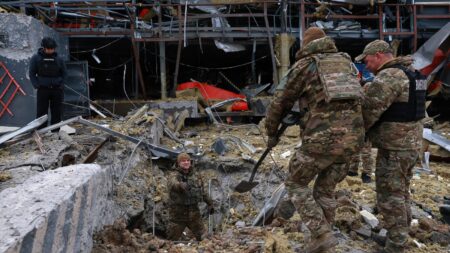
These latest outages, though technically caused by infrastructure failure rather than direct attack, came on the heels of weeks of deliberate Russian strikes targeting Ukraine’s already battered energy grid. Throughout the war, Moscow has systematically pursued what Ukrainian officials have called “weaponizing winter” – a brutal strategy aimed at denying Ukrainian civilians the most basic necessities of heat, light, and running water during the coldest months of the year. This approach has been a constant throughout Russia’s nearly four-year invasion, but this particular winter has brought especially severe conditions. The combination of repeated infrastructure attacks and exceptionally cold temperatures has created widespread hardship for millions of Ukrainian civilians trying to survive while their country remains under assault.
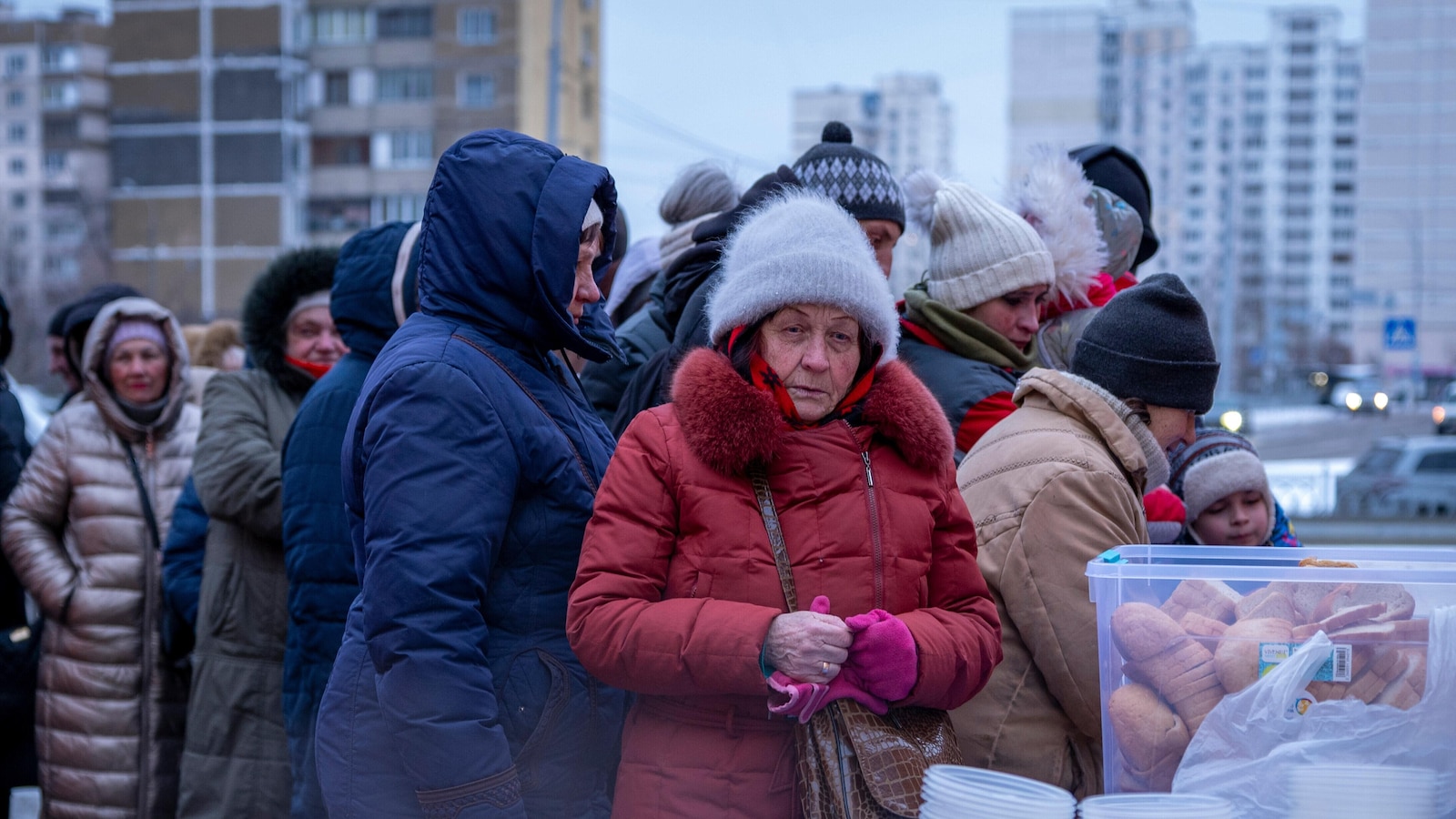
Weather forecasters delivered grim news, predicting that Ukraine would face a brutally cold period extending into the following week. According to Ukraine’s State Emergency Service, temperatures in some areas were expected to plummet to minus 30 degrees Celsius (minus 22 Fahrenheit). Such extreme cold can be life-threatening even under normal circumstances, but for a population dealing with unreliable electricity, damaged heating systems, and disrupted water supplies, these temperatures represented a genuine humanitarian crisis. Families huddled in apartments without heat, hospitals struggled to maintain power for critical equipment, and ordinary citizens faced the daily challenge of simply staying warm and fed in conditions that would test even the most prepared societies.
Trump’s Request and Putin’s Response
Against this backdrop of suffering, an unexpected diplomatic development emerged. U.S. President Donald Trump announced late Thursday that Russian President Vladimir Putin had agreed to a temporary pause in targeting Kyiv and other Ukrainian towns during the period of extreme cold weather. Speaking during a Cabinet meeting at the White House, Trump explained that he had personally asked Putin not to fire on Kyiv and other cities and towns for one week during what he called this “extraordinary cold.” Trump stated that Putin had agreed to this request, though he didn’t elaborate on when exactly he had made this appeal to the Russian leader or provide specific details about the scope of any pause.
The Kremlin confirmed this exchange the following day, with spokesperson Dmitry Peskov stating that Trump had indeed made a personal request to Putin to stop targeting Kyiv until Sunday. According to Peskov, this pause was intended “to create favorable conditions for negotiations.” Talks were scheduled between U.S., Russian, and Ukrainian officials for February 1 in Abu Dhabi. This would mark the continuation of dialogue that began in late January, when officials from the Trump administration met simultaneously with negotiators from both Ukraine and Russia for the first time. However, significant obstacles to any lasting peace remained firmly in place. Ukrainian President Volodymyr Zelenskyy pointed out on Thursday that fundamental disagreements persisted over what would happen to occupied Ukrainian territory, with Moscow demanding possession of areas it hasn’t even captured yet – a key sticking point preventing any peace deal from taking shape.
Skepticism and Reality on the Ground
While Trump framed Putin’s acceptance of this temporary pause as a meaningful concession, Zelenskyy expressed considerable skepticism about Russia’s genuine intentions as the invasion approached its fourth anniversary on February 24. “I do not believe that Russia wants to end the war. There is a great deal of evidence to the contrary,” Zelenskyy stated bluntly on Thursday. His doubts seemed justified by the continued pattern of Russian aggression. Though Russia struck Ukrainian energy assets in several regions on Thursday, Zelenskyy noted on Friday that there had been no strikes on those facilities overnight. However, he also pointed out that Russia had simply shifted its focus to targeting Ukrainian logistics networks instead, and that Russian drones and missiles continued hitting residential areas of Ukraine overnight, as they had on most nights throughout the war.
The situation remained fluid and unpredictable, with Russian presidential envoy Kirill Dmitriev posting on social media Saturday that he was in Miami, where previous talks between Russian and U.S. negotiators had taken place. Russian state news agencies reported he was meeting with an “American delegation” but offered no further details about the nature or substance of these discussions. For ordinary Ukrainians living through this winter of discontent, such diplomatic maneuvering likely seemed distant and abstract compared to the immediate challenges of surviving without reliable power, heat, or water in subzero temperatures. The gap between high-level negotiations and the daily reality of civilians struggling to endure remained vast, and whether any talks would produce genuine relief for Ukraine’s suffering population remained an open and troubling question as winter’s grip tightened and the war ground on into its fourth devastating year.