


Russian Comedian Sentenced to Prison for Joke About War Veteran
A Dark Turn for Comedy in Putin’s Russia
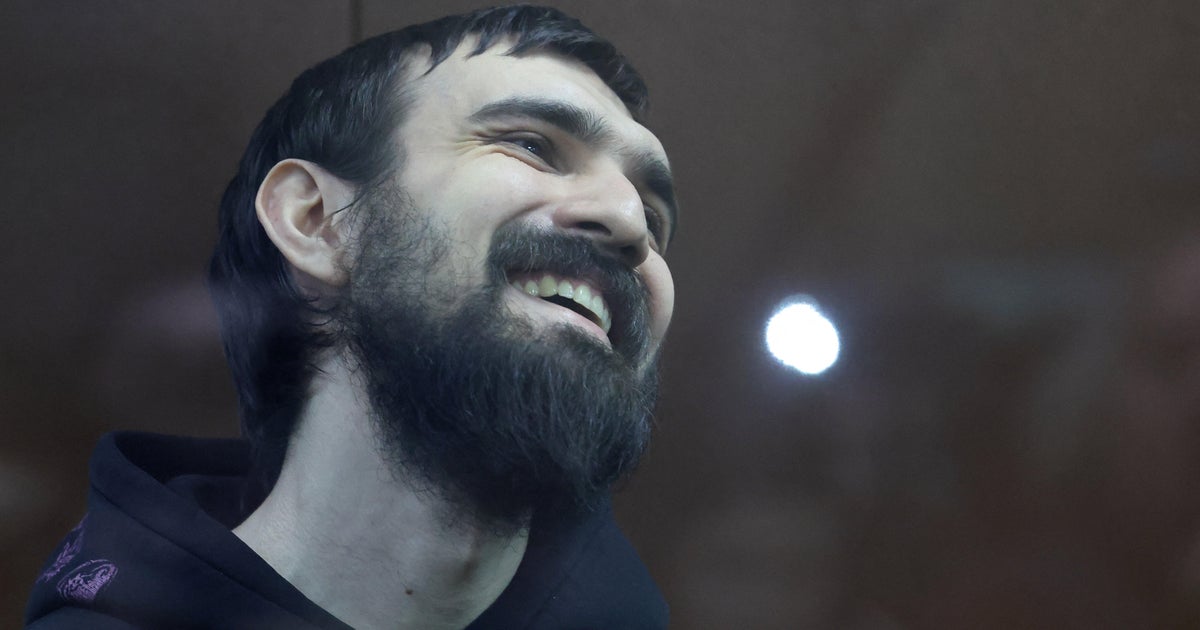
In a chilling reminder of how far Russia has gone in silencing dissent, a 29-year-old Moscow stand-up comedian named Artemy Ostanin was sentenced to nearly six years in a penal colony this week. His crime? Making a joke on stage. The controversial bit involved a story about encountering a disabled former soldier on the metro, whom Ostanin referred to as a “legless skater.” What might have been considered edgy comedy in a free society became evidence in a criminal trial in Vladimir Putin’s Russia, where questioning or even joking about the war in Ukraine has become extremely dangerous. The case represents just the latest conviction in Russia’s sweeping crackdown on anyone who dares to question the country’s military operation in Ukraine, showing how comedy, art, and free expression have become casualties of war alongside the soldiers fighting on the battlefield.
The Joke That Led to Prison Time
The incident that landed Ostanin behind bars occurred during a stand-up performance last year when he shared what he thought was just another routine. He told an anecdote about bumping into a disabled ex-soldier while riding Moscow’s metro system. The joke, which included calling the veteran a “legless skater,” was captured on video and soon found its way online. Pro-Kremlin media outlets and government supporters seized on the clip, spreading it widely and demanding that the comedian be punished for what they characterized as insulting Russian soldiers who had been wounded fighting in Ukraine. The outrage was swift and orchestrated, transforming a comedy club moment into a national controversy. Beyond this particular joke, Moscow authorities also found Ostanin guilty of inciting hatred and insulting religious feelings over a separate bit about religion, adding to the severity of his sentence. Judge Olesya Mendeleyeva handed down the final verdict: five years and nine months in a general regime penal colony, a harsh punishment for someone whose only weapon was words.
A Comedian’s Defiant Defense
Throughout his trial, Ostanin maintained his innocence and insisted that his joke was never intended to reference veterans of what Moscow officially calls the “special military operation” in Ukraine. The Kremlin has been extremely particular about the language used to describe the war, forbidding the use of the word “war” itself and prosecuting those who stray from approved terminology. In his final statement to the court, Ostanin expressed hope that others would never experience what he described as “brutal legal abuse.” His words, reported by Russia’s independent SOTA media outlet, reflected both his personal anguish and a warning to others about the current state of justice in Russia. The comedian’s case has drawn attention not only for its severity but also for the judge who sentenced him. Olesya Mendeleyeva was sanctioned by the United States Treasury Department in December 2024 specifically for her role in what American officials called “the arbitrary detention” of Alexei Gorinov, a Moscow city councilor who was imprisoned simply for voicing opposition to the war against Ukraine. The fact that such a judge presided over Ostanin’s case underscores the political nature of these prosecutions.
Part of a Broader Pattern of Repression
Ostanin’s conviction is far from an isolated incident. Following his arrest last year, Russian authorities added him to Moscow’s official list of terrorists and extremists—labels that have become routine tools for the government to suppress dissent and target political opponents. Russia has dramatically intensified its campaign to silence critics since launching its full-scale invasion of Ukraine in February 2022. The crackdown has touched people from all walks of life, making examples of anyone who dares to speak out against the war or even question it publicly. The message from the Kremlin is clear: there is no safe space for dissent, whether in political activism, journalism, art, or even comedy. The theatrical nature of these prosecutions serves a dual purpose—punishing the individual while sending a warning to everyone else. By targeting a comedian, the Russian government demonstrates that humor itself can be criminalized if it crosses lines drawn by those in power, creating a climate of fear that extends far beyond the courtroom.
Other Victims of Russia’s War on Free Speech
Ostanin joins a growing list of Russians who have been imprisoned for expressing opposition to the war or simply exercising their right to free speech. Last November, 18-year-old street musician Diana Loginova was sentenced to jail for a third time for performing anti-war songs on the streets. Her repeated imprisonments show that even young people with minimal public platforms are not safe from prosecution. In 2024, a doctor was convicted of spreading false information about the Russian military and sentenced to five and a half years in prison after being accused of criticizing the war in front of a patient, turning a private medical appointment into evidence for a criminal case. Artist and musician Sasha Skochilenko received a seven-year sentence in November 2023 for one of the most creative forms of protest: she had swapped supermarket price tags with antiwar messages, a small act of resistance that resulted in years behind bars. Ukrainian singer Susana Jamaladinova was placed on Russia’s wanted list that same month for similar alleged crimes. Perhaps most dramatically, prominent opposition figure and journalist Vladimir Kara-Murza was sentenced to 25 years in a high-security prison in April 2023 on treason charges, all for criticizing Russia’s war in Ukraine. These cases collectively paint a picture of a country where the space for any form of opposition has been almost completely eliminated.
The Death of Satire in Putin’s Russia
Ostanin’s case is particularly troubling because it represents the criminalization of comedy itself. Stand-up comedy has historically been a space where societies can reflect on their problems, challenge authority, and process difficult topics through humor. Comedians have long served as society’s truth-tellers, using jokes to say what others are afraid to say directly. In democratic societies, this function is protected and even celebrated, but in Putin’s Russia, it has become a path to prison. The targeting of comedians reveals the deep insecurity of the current Russian government and its inability to tolerate even the mildest forms of criticism or questioning. When a government fears jokes, it reveals its fundamental weakness and the fragility of its legitimacy. The imprisonment of Ostanin for nearly six years over a stand-up routine is not just an attack on one comedian—it’s an attack on the very idea that citizens should be able to think critically about their government’s actions. As Russia’s war in Ukraine continues with no end in sight, the country’s internal crackdown on dissent has only intensified, creating a society where fear governs what people can say, think, and even joke about. The message is unmistakable: in Putin’s Russia, there is no laughing matter when it comes to the war, and those who try to find humor in dark times will pay a severe price.