



Thriving Against the Odds: How Some Polar Bears Are Adapting to Arctic Climate Change
A Surprising Discovery in the Barents Sea
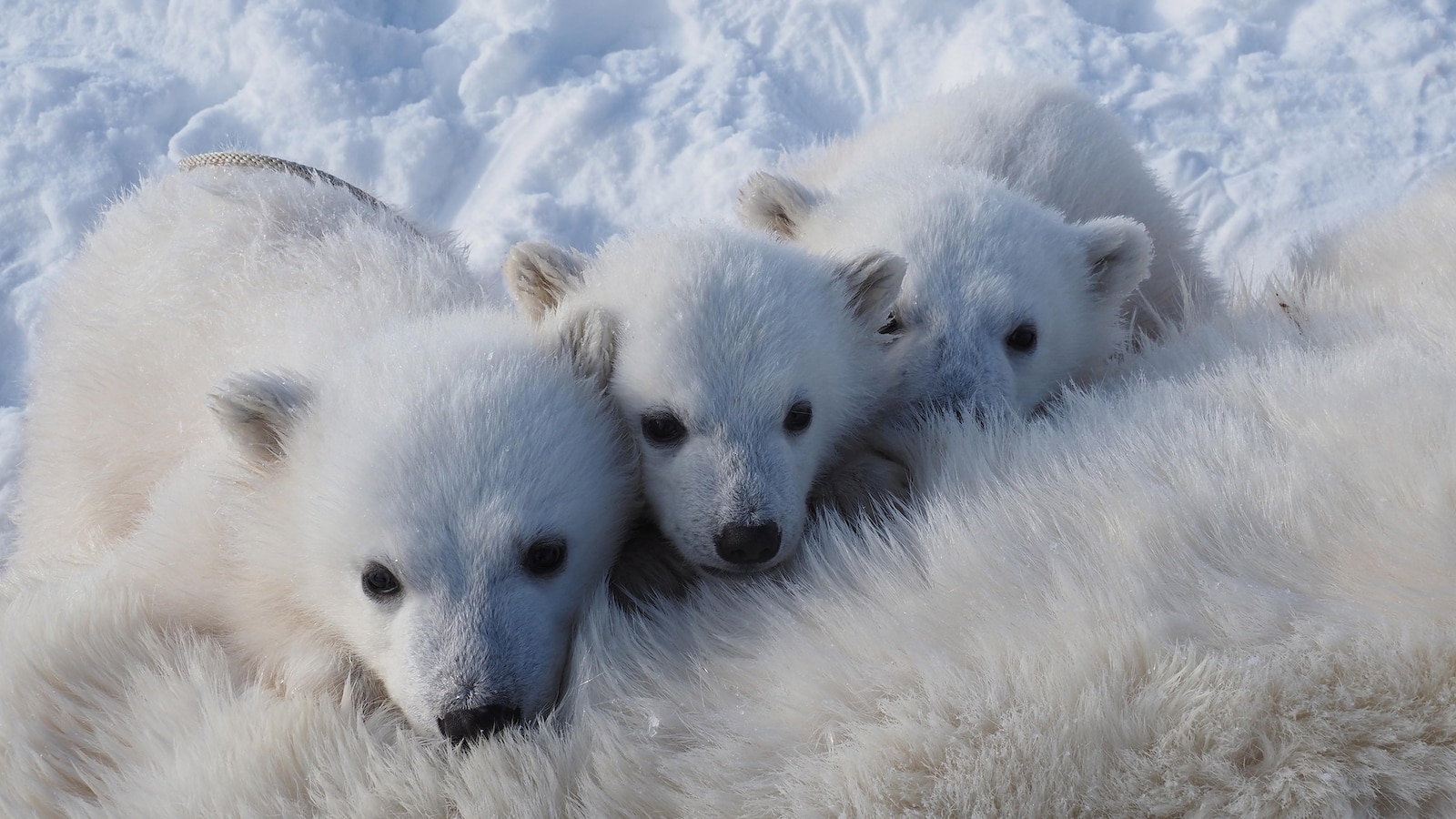
In a finding that challenges our understanding of how polar bears are responding to climate change, new research reveals that not all polar bear populations are suffering from the dramatic loss of Arctic sea ice. A groundbreaking study published in the journal Scientific Reports has documented an unexpected phenomenon: polar bears living near Svalbard—an archipelago situated between Norway and the North Pole along the Barents Sea—are actually thriving despite their habitat experiencing some of the most severe sea ice loss anywhere in the Arctic region. This discovery stands in stark contrast to the alarming reports we’ve become accustomed to hearing about declining polar bear populations across other parts of the Arctic, offering a rare glimmer of hope in the otherwise dire narrative of climate change’s impact on these iconic animals.
The research team, led by Jon Aars, a senior scientist at the Norwegian Polar Institute, found that these resilient bears have not only maintained their health but have actually improved their body conditions as sea ice has disappeared around them. This unexpected resilience represents a significant departure from previous scientific observations that have consistently shown polar bear populations declining in tandem with rising global temperatures and shrinking ice coverage. The findings suggest that under certain circumstances and in specific environments, these magnificent predators may possess a greater capacity for adaptation than scientists previously believed possible, though researchers caution against interpreting this as a solution to the broader threats facing polar bears worldwide.
The Science Behind the Discovery
Every spring, Norwegian researchers embark on an intensive fieldwork campaign to study the polar bear population in their region. Using helicopters to locate and approach the bears, the team carefully immobilizes the animals to conduct thorough examinations without causing harm or undue stress. During these encounters, scientists collect various biological samples and take detailed measurements, including the bears’ body weight and length. These measurements allow researchers to calculate how much fat reserve each bear is carrying—a critical indicator of health and survival prospects in the harsh Arctic environment. As Aars explains in straightforward terms, “The more fat, the more healthy you can say the bear is.” This simple metric provides invaluable insight into whether individual bears and the population as a whole are successfully finding enough food to sustain themselves.
For this particular study, the research team analyzed data compiled from encounters with 770 adult polar bears recorded between 1992 and 2019—nearly three decades of meticulous observation. Their analysis focused on the body composition index (BCI), a sophisticated measure that indicates fat reserves and overall body condition. The results were remarkable: since the year 2000, the BCI of these Svalbard polar bears has actually increased, even as the number of ice-free days in the region has grown at an alarming rate of four additional days every single year throughout the study period. This improvement in physical condition occurring simultaneously with habitat loss represents a scientific puzzle that challenges conventional understanding of how these animals should be responding to environmental change.
Understanding the Barents Sea’s Dramatic Changes
The findings become even more remarkable when considered against the backdrop of the extreme environmental changes the Barents Sea region has experienced. The temperature in this area has risen approximately 2 degrees Celsius per decade since 1980—a rate of warming that far exceeds global averages and has caused sea ice to vanish at unprecedented speeds. According to Aars, the situation in this region is more severe than almost anywhere else polar bears are found: “The loss of sea ice has been much more profound and faster in the Barents Sea area, especially the western part, than in any other place where you have polar bears.” This context makes the bears’ apparent success all the more astonishing and scientifically significant.
The Arctic as a whole is experiencing climate change more intensely than any other region on Earth, a phenomenon known as Arctic amplification. The National Snow and Ice Data Center and NASA have documented this acceleration, with measurements showing that Arctic sea ice during September—when it reaches its annual minimum extent—is shrinking at a rate of 12.2% per decade. These aren’t abstract statistics; they represent the disappearance of habitat that polar bears have depended upon for millennia. Sea ice serves as an essential hunting platform for polar bears as they pursue their primary prey: seals. When bears must hunt in open water rather than from the stable platform of ice, they face a significant disadvantage—seals are excellent swimmers and can easily outpace a bear in the water, making successful hunts nearly impossible without the advantage ice provides.
The Adaptation Mystery: New Food Sources and Hunting Strategies
So how are the Svalbard polar bears managing to thrive when their counterparts elsewhere are struggling? The research points to two primary factors: alternative food sources and changing prey distribution patterns. Previous studies of polar bears in other regions, such as Canada’s Hudson Bay, have painted a grim picture of bears attempting to adapt to ice loss. When those bears switched to land-based foods like birds and berries, they lost just as much weight as bears that simply fasted—demonstrating that not all alternative food sources are created equal. The vegetation and small animals available in many Arctic regions simply don’t provide the caloric density and fat content that polar bears need to maintain their massive bodies and survive the harsh conditions of their environment.
However, the Svalbard region appears to offer something different. The research suggests that these bears have successfully adapted to hunting land-based prey that actually provides adequate nutrition, including substantial animals like reindeer and walrus. These prey species offer the high-fat, high-calorie nutrition that polar bears require, serving as viable substitutes for their traditional seal diet. Additionally, the Svalbard bears enjoy a competitive advantage not available to polar bear populations in other regions: they don’t have to share these alternative food sources with other large predators such as brown bears and wolves, which are absent from this archipelago. This lack of competition means that all available terrestrial prey is accessible to polar bears without the need to defend kills or compete for carcasses.
Furthermore, the researchers identified another factor that may be contributing to these bears’ success: the concentration of prey in smaller areas. Ringed seals and other marine animals that previously didn’t inhabit these waters have moved into the region, and as the remaining sea ice has become restricted to smaller areas, these prey species have become concentrated in tighter spaces. This concentration may have actually increased hunting efficiency for polar bears during the periods when ice is still present. As Aars explains, “It’s periods where you have sea ice only in the inner parts of the fields, where you earlier used to have sea ice far out.” This means bears can find higher densities of prey in the remaining ice-covered areas, potentially allowing them to build up fat reserves more quickly during the hunting season than when prey was more widely dispersed across vast expanses of sea ice.
Important Caveats and Future Concerns
Despite the encouraging findings from Svalbard, researchers emphasize that this success story should not be interpreted as evidence that polar bears as a species will be fine in the face of continued climate change. The specific conditions that have allowed the Svalbard population to adapt—abundant alternative prey, lack of competing predators, and concentrated seal populations in remaining ice areas—are not present in most other polar bear habitats across the Arctic. Each polar bear population faces unique environmental conditions, and the ability of the Svalbard bears to adapt cannot simply be extrapolated to predict the fate of polar bears elsewhere. In fact, most other studied populations continue to show declining body conditions and reduced survival rates as sea ice disappears, following the pattern that scientists have long predicted.
Moreover, even the optimistic findings from Svalbard come with significant warnings about the future. The study’s authors clearly state their concern that further reductions in sea ice—which climate models predict will continue and potentially accelerate—may eventually overwhelm even these adaptable bears’ coping strategies. As ice continues to retreat, the distances polar bears must travel to reach hunting grounds will increase substantially. This has already been observed in other populations, where bears must swim longer distances between ice floes or between ice and land, expending precious energy and sometimes drowning in the attempt. Young cubs are particularly vulnerable to these extended swims. Additionally, as ice-free periods extend further into the year, the window during which bears can hunt seals from ice platforms shrinks, potentially reaching a tipping point where even the alternative food sources cannot sustain the population through increasingly long ice-free seasons. The Svalbard population’s current success may represent a temporary adaptation rather than a long-term solution, buying these bears some time but not necessarily guaranteeing their survival if climate change continues unabated.