


The Mass Transfer of ISIS Suspects from Syria to Iraq: A Complex Security and Justice Challenge
A Major Prisoner Transfer Operation Underway
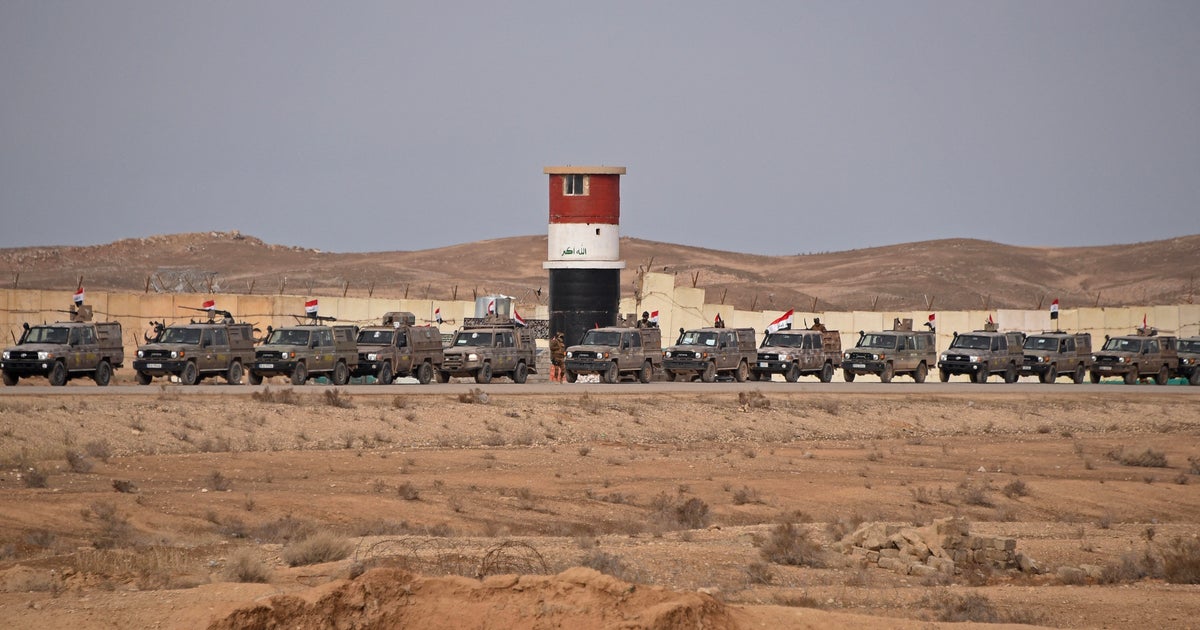
In a significant development in the ongoing fight against terrorism in the Middle East, the United States military has embarked on a massive operation to relocate approximately 7,000 suspected ISIS members from detention facilities in northeastern Syria to prisons across the border in Iraq. This unprecedented transfer comes at a critical moment, triggered by escalating security concerns following a mass prison break in Syria and ongoing clashes between Syrian government forces and Kurdish militias who had been guarding these facilities. As of recent reports, nearly 2,000 detainees have already been moved into Iraqi custody, where they face an uncertain future in a justice system that has previously drawn international criticism for its handling of terrorism cases. The operation represents not just a logistical challenge but also raises profound questions about justice, human rights, and international responsibility for dealing with captured foreign fighters.
The situation that necessitated this transfer has been building for months. Syria’s Ministry of Defense recently announced a 15-day extension of a ceasefire that temporarily halted fighting between government troops and Kurdish forces in the country’s northeast—a region that has long been controlled by the U.S.-allied Syrian Democratic Forces (SDF). These Kurdish fighters played an absolutely crucial role in defeating ISIS on the battlefield, helping to dismantle the terrorist group’s self-declared caliphate back in 2019. However, the relationship between the SDF and Syria’s new post-Assad government, despite both receiving American support, has been marked by deep mistrust and tension. This distrust erupted into open conflict, creating chaos around the prison facilities and culminating in a mass escape on January 20th that sent shockwaves through the region. The mayhem demonstrated just how precarious the security situation had become, prompting urgent action from American and Iraqi officials who feared further breakouts could allow dangerous militants to return to active terrorism.
Iraq’s Controversial Pledge to Prosecute
While U.S. Secretary of State Marco Rubio has characterized the detention in Iraq as “temporary” and called upon the home countries of foreign fighters to repatriate their nationals, the Iraqi government has taken a decidedly different stance. Iraq’s top legal official, Judge Dr. Faiq Zidan, President of the Supreme Judicial Council, announced in a televised address that his country stands fully prepared not just to hold these suspects, but to put them on trial. In his statement, Judge Zidan emphasized that while some countries refuse to take back their own citizens involved in terrorist activities, Iraq’s judiciary is ready to try these individuals “in accordance with national laws and international obligations, ensuring fair and decisive trials.” This commitment to prosecution rather than mere temporary detention has raised alarm bells among human rights organizations and legal experts who remember all too well how Iraq’s justice system handled a previous wave of ISIS-related cases.
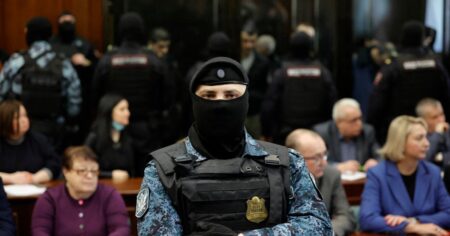
The historical context here is deeply troubling. Following the defeat of ISIS in Iraq at the end of 2017, the country’s courts processed an enormous number of terrorism cases—more than 20,000 between January 2018 and October 2019 according to United Nations data. During this period, the Iraqi judicial system became what many observers described as a conveyor belt of rapid convictions and harsh sentences. Human Rights Watch and Amnesty International have documented that approximately 8,000 people currently sit on death row in Iraq, including numerous foreign nationals. Among those sentenced to death were seven French citizens whose trials in 2019 attracted international attention and criticism. The speed and nature of these proceedings shocked legal observers, with some trials reportedly lasting as little as ten minutes, conducted without proper legal representation, and relying heavily on confessions that human rights groups say were obtained through torture.
Serious Concerns About Fair Trial Standards
Sarah Sanbar, a researcher with Human Rights Watch who has closely monitored Iraq’s handling of terrorism cases, expressed grave concerns about the country’s ability to conduct fair trials for such a large number of suspects. Speaking about the 2018-2019 trials, she described them as “totally sham trials” characterized by confessions obtained under torture, detainees being abused in detention centers, and proceedings that violated basic standards of justice. “Trials that lasted 10 minutes without a lawyer present, where they were sentenced to death, on the basis of an anonymous informant and no corroborating evidence,” Sanbar recounted. The systematic nature of these violations suggests not isolated incidents but rather fundamental flaws in how Iraq’s legal system approaches terrorism cases when overwhelmed by sheer numbers. The reliance on torture-induced confessions, the absence of adequate legal defense, and the brevity of proceedings all point to a system that prioritizes rapid processing over genuine justice.
Iraqi officials have vigorously rejected these characterizations. An official with Iraq’s National Center of Justice and International Judicial Collaboration responded to questions by stating that the “Iraqi judiciary categorically rejects torture” and emphasized that extracting confessions through coercion is actually a crime under Iraqi law. The official insisted that terrorism trials are conducted “in accordance with current laws and within a constitutional framework that guarantees the right to a fair trial, the defendant’s right to a defense, and the eligibility of rulings for legal appeal.” They further noted that these proceedings are “overseen by specialized judges working under extraordinary circumstances imposed by the scale and nature of these crimes.” While Sanbar acknowledged that Iraq’s justice system “has come a long way” since 2019 as the country has continued to stabilize, she cautioned that “a lot of those core systemic issues still persist,” suggesting that improvements have been made but fundamental problems remain unresolved.
The Question of Transparency and Accountability
One of the most troubling aspects of the current transfer operation is the lack of transparency about who exactly is being moved and what will happen to them. “We don’t know who is there,” Sanbar emphasized, calling on both Iraqi authorities and the U.S.-led coalition to “be very clear about who they’re transferring, inform the families, give them access to legal representation, so that first and foremost, we know who’s even there.” This opacity creates a situation where individuals could potentially disappear into the Iraqi detention system without their families knowing their whereabouts or legal status. Based on observations from visits to these facilities in 2019, the detainee population is diverse—most are Iraqis or Syrians, but there are also significant numbers of Europeans, Asians, Turks, and citizens of other Arab countries. At least one American was previously held in these facilities, though he was later repatriated. The international composition of this detainee population raises complex questions about jurisdiction, national responsibility, and the rights of foreign nationals facing prosecution far from their home countries.
The silence from the home countries of foreign fighters has been deafening. So far, no third country has publicly commented on the transfer of any of their nationals to Iraq or the possibility of them facing trial there. This silence, according to Sanbar, fits a pattern that has persisted for years: “We’ve seen these countries whose citizens left to join ISIS completely washing their hands of any sort of responsibility. They’ve let them languish there for the last 10 years.” She expressed hope that these countries would now take responsibility and repatriate their citizens, but there’s little indication they’re willing to do so. Many Western nations have been reluctant to bring back ISIS fighters and their families, fearing domestic political backlash and security concerns, preferring instead to leave them in legal limbo in the Middle East. This approach effectively outsources the difficult decisions and potential human rights violations to countries like Iraq, allowing Western democracies to avoid the politically uncomfortable task of prosecuting their own citizens while maintaining plausible deniability about how they’re treated.
Iraq’s Firm Stance and the Path Forward
Iraq’s position on this matter was made crystal clear by Judge Zaidan when he addressed foreign governments back in 2019, and his stance appears unchanged today. His message was straightforward and uncompromising: “Please respect the Iraqi court and the Iraqi law. If you want our court to make a trial for all the fighters, you must respect our decision. You must respect our law. If you don’t accept what we are doing in our court, please take your detainee for you, take your suspect for your country, and make a trial in your country.” This statement encapsulates Iraq’s frustration with the international community’s approach—countries want these dangerous individuals dealt with but aren’t willing to take responsibility themselves or to significantly support the countries bearing the burden. Iraq sees itself as stepping up to handle a problem that the international community has largely avoided, and Iraqi officials believe they deserve recognition and respect for doing so, even if their methods don’t meet international standards.
The Iraqi National Center of Justice and International Judicial Collaboration has indicated it is in communication with several countries regarding this matter, though it hasn’t identified which ones or what the nature of these communications entails. This ongoing transfer operation represents a critical juncture in the long struggle against ISIS and raises fundamental questions about justice, accountability, and international cooperation in counterterrorism efforts. For the thousands of suspects being transferred, their fate hangs in the balance between Iraq’s determination to prosecute them and the international community’s continued reluctance to take responsibility for its own citizens. The coming months will reveal whether Iraq can genuinely provide fair trials that meet international standards, whether any countries will step forward to repatriate their nationals, and ultimately, what kind of justice—if any—will be served for both the accused and the countless victims of ISIS’s brutal reign of terror.