


The Selection of a New Pope: Understanding the Process and Potential Candidates
A Historic Transition Begins
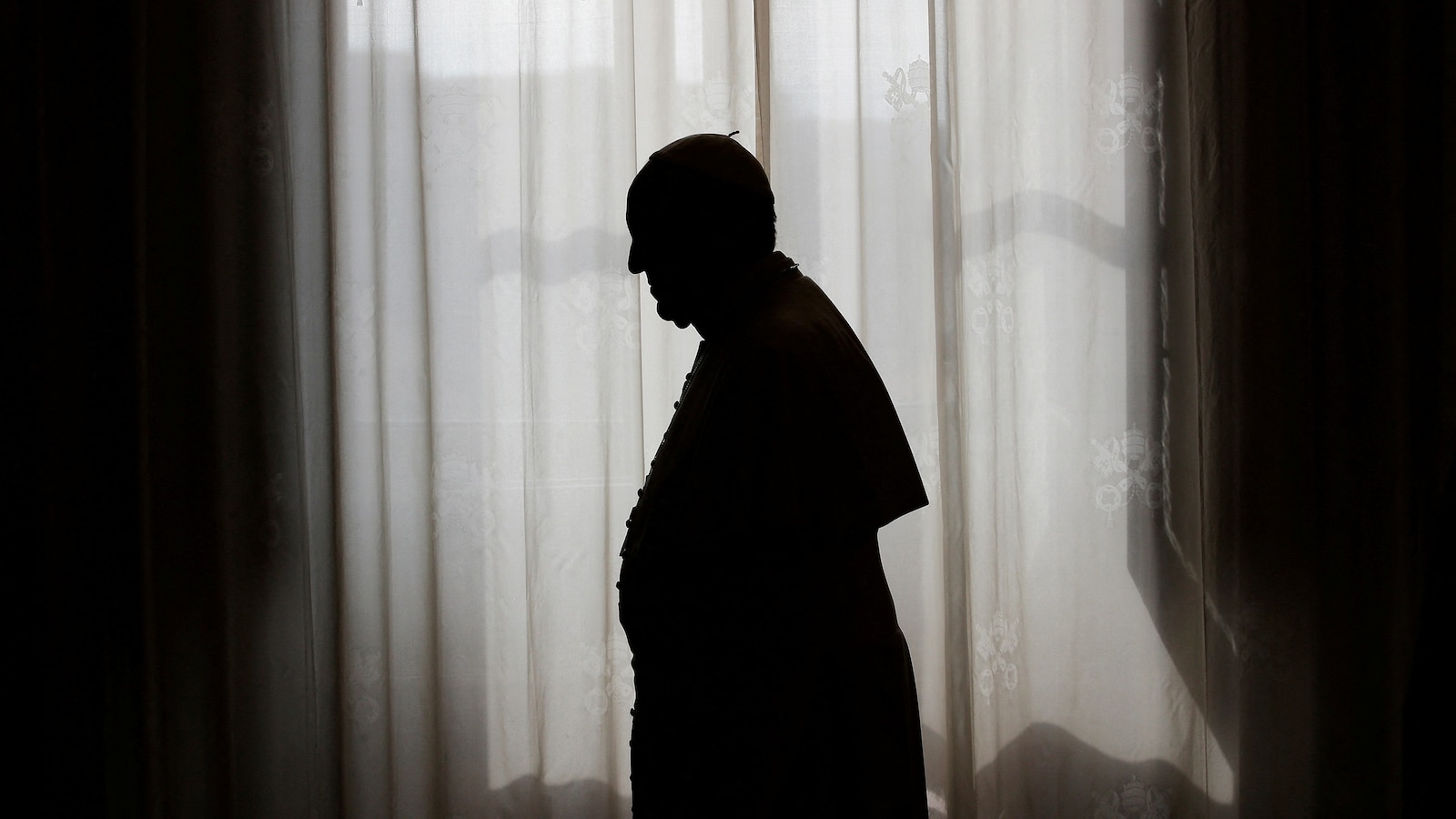
The passing of Pope Francis has ushered the Roman Catholic Church into a period of profound transition, as millions of faithful around the world turn their attention to one of the most sacred and secretive traditions in Christianity: the selection of a new pontiff. This ancient process, steeped in centuries of tradition and ritual, will officially commence on Wednesday when eligible cardinals from across the globe gather in Rome. The anticipation surrounding this event extends far beyond the Catholic community, as the Pope’s influence reaches into global politics, humanitarian efforts, and interfaith dialogue. The world watches and waits to see who will inherit the mantle of leadership for over 1.3 billion Catholics worldwide. As cardinals prepare to enter the hallowed walls of the Sistine Chapel, where they will deliberate in complete secrecy beneath Michelangelo’s magnificent frescoes, speculation intensifies about who among them possesses the spiritual wisdom, administrative capability, and diplomatic skill necessary to guide the Church through the challenges of the modern era.
The Conclave: An Ancient Process Shrouded in Mystery
The papal conclave represents one of the most fascinating and enigmatic electoral processes in the world. Beginning typically between 15 to 20 days after a pope’s death, this gathering summons all cardinals under the age of 80 who are eligible to participate in this sacred duty. These prince-bishops of the Church will be sequestered within the Vatican, cut off from outside communication, until they reach consensus on who should lead the Catholic faithful forward. The proceedings within the Sistine Chapel remain strictly confidential, with participants bound by solemn oaths of secrecy. This veil of confidentiality serves an important purpose: it allows the cardinals to speak freely, pray earnestly, and deliberate without external pressure or influence. The world outside will know a decision has been reached only when white smoke billows from the chapel’s chimney—a signal that has captivated observers for generations. While the mechanics of how consensus is ultimately achieved remain behind closed doors, church historians and Vatican observers continue to analyze the likely contenders, weighing their credentials, theological positions, and potential to unite a diverse global Church.
The Francis Legacy and Its Impact on the Selection
Pope Francis left an indelible mark on the Catholic Church during his papacy, pushing for progressive reforms while maintaining traditional theological positions. His influence extends even beyond his death, as he appointed approximately 80% of the cardinals who will now gather to choose his successor, according to Miles Pattenden, a historian of the Catholic Church at Oxford University. However, Pattenden cautions against assuming these cardinals will automatically select someone who mirrors Francis’s approach to leadership. “It’s a mistake to think of [Francis’ cardinals] as one homogenous block,” Pattenden explains. “Not all of them will have shared Francis’ views. Some of them will have been open about that. He appointed them because they represented important areas or factions in the church that he thought should be represented.” This diversity within Francis’s appointments reflects the late pontiff’s understanding that the Church encompasses many perspectives and constituencies. Some cardinals may have disagreed with certain aspects of Francis’s papacy but remained respectfully silent out of deference to the sitting pope. Now, with Francis gone, the true positions and priorities of these church leaders will emerge during the conclave deliberations, potentially leading to surprising coalitions and outcomes.
The Front-Runners and Their Credentials
According to Father James Martin, a papal contributor to ABC News, the cardinals will be seeking “someone who is holy, someone who is a good evangelizer who can proclaim the gospel and someone who is a good manager,” noting that “those three things are tough to find in one person.” While technically any baptized Catholic male is eligible for the papacy, realistic contenders emerge from among the College of Cardinals. Pietro Parolin, the cardinal secretary of state, stands as perhaps the most obvious continuity candidate. Having served in this crucial diplomatic role since August 2013, Parolin possesses extensive experience in Vatican affairs and international relations. “He’s got all the right credentials,” Pattenden observes, though he adds the caveat: “The question is whether most of the cardinals want that or not.” Cristina Traina, a religious studies professor at New York’s Fordham University, notes that while Parolin is “extraordinarily versed in the internal workings of the Vatican, that could count against him if they are interested in continuing Vatican reforms.”
Another strong contender is Luis Antonio Tagle, the archbishop of Manila in the Philippines, who shares Francis’s “charisma and emphasis on pastoral mission,” according to Pattenden. Appointed by Pope Benedict XVI in 2011, Tagle represents the growing influence of the Church in Asia and the Global South. However, at 67, some might consider him relatively young for the papacy, and questions remain about whether he possesses the administrative experience necessary to manage the complex Vatican bureaucracy. Beyond these leading candidates, the field includes several other possibilities representing different theological and geographical constituencies within the Church. Conservative candidates such as Hungarian Cardinal Peter Erdo, Ghanaian Cardinal Peter Turkson, and Guinean Cardinal Robert Sarah could gain traction if the College of Cardinals decides to chart a more traditional course. European moderates including Matteo Zuppi, Jean-Marc Aveline, and Mario Grech might emerge as compromise candidates if the more obvious front-runners fail to achieve the necessary majority support.
The Diversity of Theological Approaches
One of the most fascinating aspects of Francis’s papacy was his unique combination of pastoral progressivism and theological conservatism—a balance that few other candidates successfully replicate. Traina points out that only Canadian Cardinal Marc Ouellet and Dutch Cardinal Willem Eijk truly resemble Francis’s distinctive approach to church leadership. This suggests that regardless of who emerges from the conclave, the next papacy will likely differ in tone and emphasis from Francis’s tenure. “Successors have different skills than their predecessors, and that’s not because people are rejecting the predecessor skills,” Traina explains. “It wouldn’t be surprising for there to be a change, the question is, which direction?” This observation highlights an important truth about papal succession: the Church often seeks different qualities in successive popes, responding to changing circumstances and evolving needs. After a pope focused on pastoral outreach and reform, the cardinals might prioritize administrative competence and institutional stability, or they might double down on the reform agenda with an even more progressive choice.
Emerging Possibilities and Global Considerations
In the days leading up to the conclave, some unexpected names have begun circulating among Vatican observers. Cardinal Robert Prevost, a 69-year-old from Chicago, has recently emerged as a potential front-runner, according to Father Martin. An American pope would represent a historic first for the Church, though Pattenden previously suggested this outcome remains “very unlikely.” “There has traditionally been a lot of wariness about a pope from the Anglosphere,” he notes, adding that current geopolitical tensions, particularly between the Vatican and the Trump administration, make an American pontiff even less probable at this particular moment. The selection will ultimately reflect not just theological considerations but also pragmatic assessments of global politics, the Church’s missionary priorities, and the need to represent Catholicism’s increasingly diverse geographical distribution. As mourners gather outside churches from Buenos Aires to Manila to pay their respects to the late Pope Francis, the Catholic faithful await with hope and prayer for the Holy Spirit to guide the cardinals in their deliberations. The conclave represents a moment when ancient tradition meets contemporary reality, when spiritual discernment confronts practical necessity, and when the Catholic Church once again demonstrates its remarkable continuity across more than two millennia of history. Whoever emerges as the next Bishop of Rome will inherit both tremendous challenges and extraordinary opportunities to shape the Church’s witness in an increasingly complex and interconnected world.