



China’s Coal Conundrum: Balancing Energy Security with Climate Goals
A Dramatic Surge in Coal Power Development
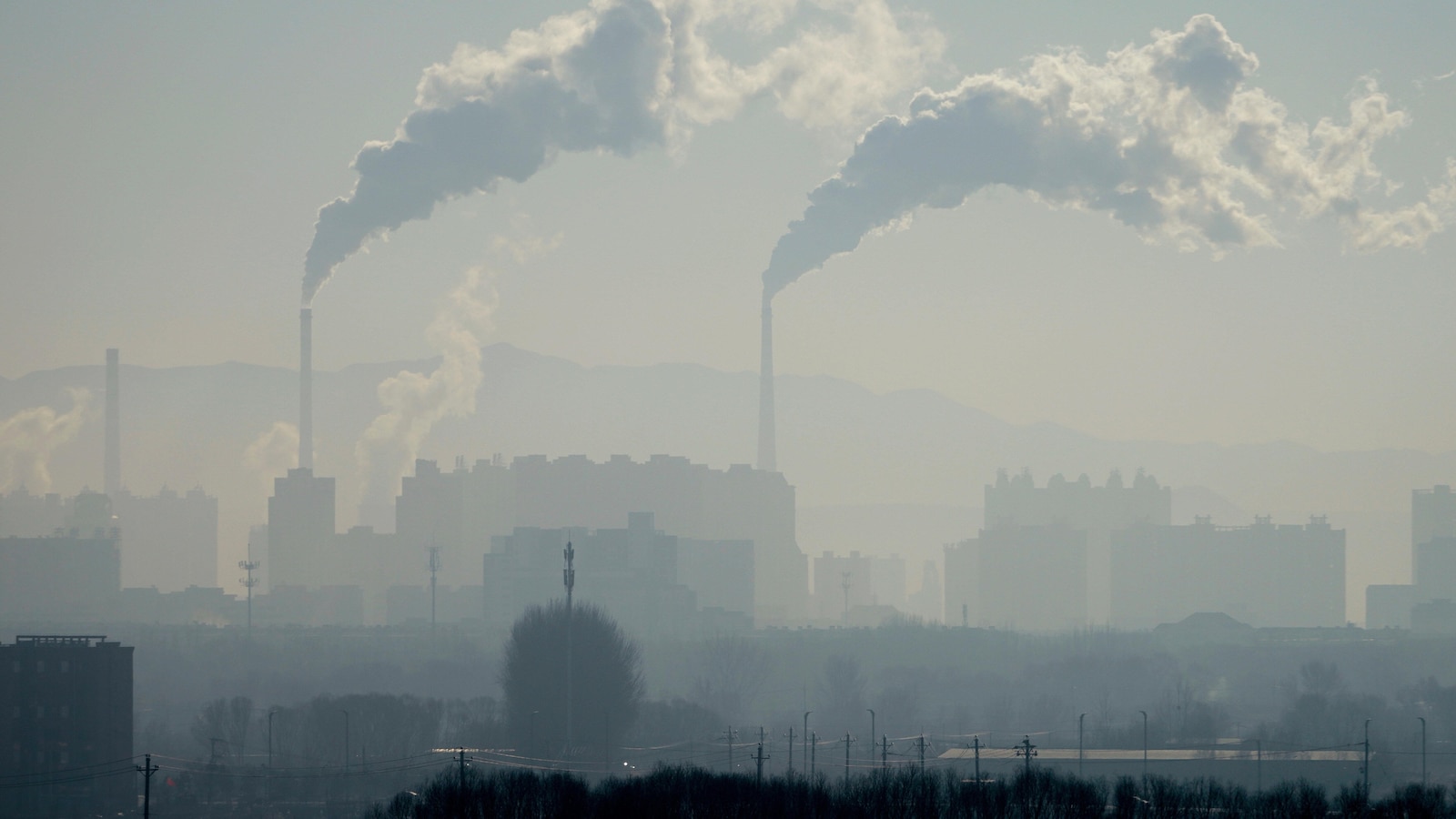
China finds itself at a critical crossroads in 2025, simultaneously leading the world in renewable energy expansion while dramatically increasing its coal power capacity. The latest research reveals a troubling trend: more than 50 large coal units—each capable of generating 1 gigawatt or more—were commissioned throughout the year. This represents a staggering increase from fewer than 20 units annually over the previous decade. To put this in perspective, 1 gigawatt can power anywhere from several hundred thousand to over 2 million homes, depending on energy consumption patterns. In total, China brought 78 gigawatts of new coal power capacity online, marking a sharp increase from previous years. This massive buildout has raised serious concerns among environmental researchers and climate experts about whether the world’s largest carbon emitter can reduce its emissions sufficiently to help limit global climate change. The scale is truly unprecedented—China commissioned more coal power capacity in 2025 alone than India developed over an entire decade, highlighting the enormous scope of this expansion.
The Renewable Energy Paradox
What makes China’s energy landscape particularly complex is that this coal expansion is happening alongside record-breaking growth in renewable energy sources. The country added an impressive 315 gigawatts of solar capacity and 119 gigawatts of wind power in 2025, according to government statistics from the National Energy Administration. These additions are so substantial that they actually managed to nudge down coal’s share in total power generation, despite the new coal plants coming online. In fact, power generated from coal fell by approximately 1% as the growth in cleaner energy sources covered all the increase in electricity demand during the year. This creates a puzzling situation: if China is building such enormous amounts of wind and solar capacity, why does it continue constructing coal power plants—and by most expert analyses, far more than it actually needs? The answer isn’t simple and involves a combination of economic, political, and security considerations that reflect China’s unique position as a developing superpower with a population of 1.4 billion people.
Understanding China’s Energy Security Concerns
Several factors drive China’s continued investment in coal infrastructure, even as it races toward renewable energy goals. First, China remains at an earlier development stage than the United States or Europe, meaning it needs more energy to sustain its growth trajectory. As more of the nation’s massive population climbs into the middle class, consumer demand for electricity-hungry appliances like air conditioners, washing machines, and electronic devices increases dramatically. Additionally, electricity is essential to keep China’s vast manufacturing sector operating and to meet the high power demands of artificial intelligence—a government priority as the country seeks to establish itself as a global technology leader. However, the most significant driver of recent coal expansion traces back to power shortages that hit parts of China in 2021 and 2022. These shortages reinforced longstanding concerns about energy security, with some factories temporarily halting production and at least one city imposing rolling blackouts. The disruptions were serious enough to prompt a government response signaling support for more coal plants, which led to a surge in applications and permits for construction in 2022 and 2023.
The Bureaucratic Momentum Behind Coal Expansion
The bureaucratic process itself helps explain why so much new coal capacity came online in 2025. The surge in permits issued during 2022-23 drove the big jump in capacity last year as those approved projects were completed and new units came online. According to analysts who studied this trend, once permits are issued for such large infrastructure projects, they become extremely difficult to reverse or cancel. The political and economic commitments made, the contracts signed, and the investments already sunk into these projects create momentum that carries them through to completion regardless of changing circumstances or policy priorities. Alarmingly, construction started on an additional 83 gigawatts of coal power capacity last year, suggesting that another large wave of new coal plants may come online this year and in the near future. The government’s official position is that coal provides a stable backup to intermittent renewable sources such as wind and solar, which are affected by weather conditions and the time of day. The 2022 shortages resulted partly from a drought that severely impacted hydropower, a major energy source in western China, demonstrating the vulnerability of relying too heavily on weather-dependent energy sources.
Government Policy and Industry Perspectives
China’s National Development and Reform Commission, the country’s lead economic planning agency, issued guidance last year stating that coal should “play an important underpinning and balancing role” for years to come, with a focus on making coal plants cleaner and more efficient rather than eliminating them. This official position reflects a pragmatic approach to energy policy that prioritizes reliability and security alongside environmental concerns. The China Coal Transportation and Distribution Association, an industry group with obvious interests in the sector’s continuation, echoed this sentiment last week by asserting that coal-fired power would remain essential for power-system stability, even as other sources of energy gradually replace it in terms of overall generation. This perspective frames coal not as the primary energy source of the future but as a necessary backup and stabilizing force that ensures the electrical grid can meet demand regardless of weather conditions, time of day, or unexpected disruptions to other power sources. However, this reasoning has faced skepticism from environmental researchers who question whether so much coal capacity is genuinely needed for backup purposes or whether other factors are driving the expansion.
The Climate Stakes and Path Forward
The fundamental risk of building such extensive coal-fired capacity is that it could significantly delay China’s transition to cleaner energy sources and undermine global climate goals. Once built, these massive infrastructure projects create political and financial pressure to keep them operating for decades to justify their enormous costs, potentially leaving less room in the energy system for cleaner alternatives. Environmental researchers emphasize that whether China’s coal power expansion ultimately translates into higher emissions will depend critically on how these plants are used—specifically, whether coal power’s role is genuinely constrained to backup and supporting functions rather than baseload generation that runs continuously. The recent report urged China to accelerate retirement of aging and inefficient coal plants and commit in its next five-year plan, which will be approved in March, to ensuring that power-sector emissions do not increase between 2025 and 2030. This recommendation reflects the urgency of the climate crisis and China’s outsized role as the world’s largest emitter. The coming months will be crucial as China develops its next five-year plan, which will signal whether the country is serious about limiting coal’s role or whether the recent expansion represents a longer-term commitment to fossil fuels that could have devastating consequences for global efforts to limit climate change and protect the planet for future generations.