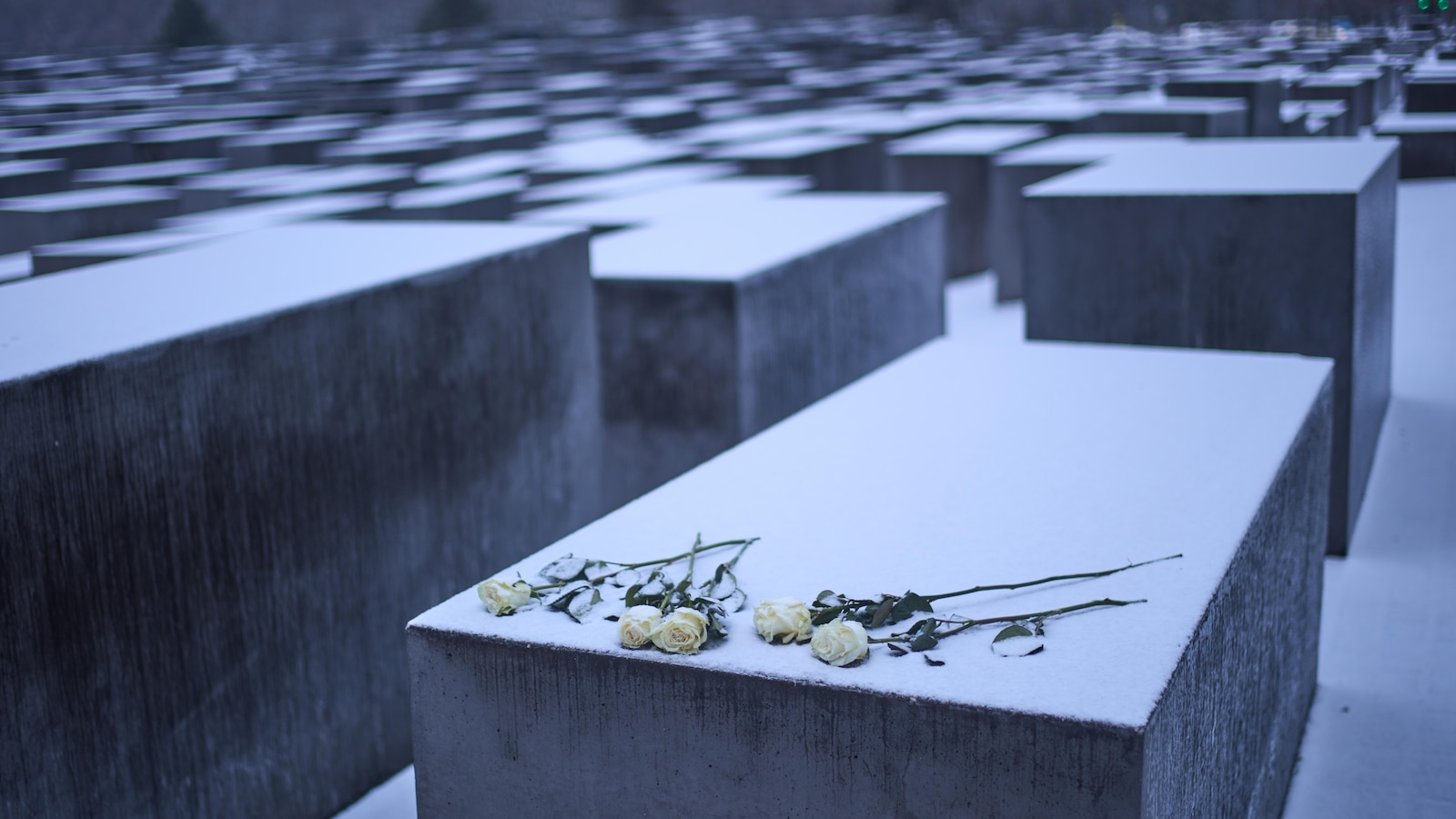

The World Pauses to Remember: Holocaust Remembrance Day 2024
A Solemn Anniversary Marks Liberation and Loss
On January 27th, people across the globe gathered in quiet reflection to observe International Holocaust Remembrance Day, marking 80 years since Soviet forces liberated the Auschwitz-Birkenau death camp. This date, chosen by the United Nations General Assembly in 2005, serves as an annual moment of commemoration for the six million Jews and millions of others systematically murdered by Nazi Germany during World War II. From the historic grounds of Auschwitz in southern Poland to memorials in Berlin, Rome, London, and countless other cities, Holocaust survivors, political leaders, and ordinary citizens came together to honor those who perished and to confront the uncomfortable truths about humanity’s capacity for evil. The day’s observances carried particular weight as the global community of survivors continues to shrink—now numbering approximately 196,600 people worldwide, down from 220,000 just one year ago, with a median age of 87. These gatherings served not merely as historical commemorations but as urgent warnings about the resurgence of hatred and antisemitism in our contemporary world.
Voices of Survival Echo Through the Decades
At the heart of this year’s remembrances were the voices of those who lived through unimaginable horrors and survived to bear witness. Bernard Offen, a 96-year-old survivor who spoke at the Auschwitz memorial ceremony, delivered a chilling message that resonated far beyond the audience gathered in Poland. “I see hatred resurgent. I see violence beginning to be justified once again,” Offen warned, his words carrying the weight of personal experience and hard-won wisdom. “I see people who believe their anger is more valuable than another human life. I say this because I am an old man who has seen where indifference leads to. And I truly believe that we can choose differently.” In the Czech Republic, 90-year-old Pavel Jelinek shared the heartbreaking reality that he is now the last living Jew among the 37 who returned to Liberec after the war—a city that once had a thriving Jewish community of 1,350 people before the Holocaust. Perhaps most striking was the testimony of 95-year-old Mala Tribich, who addressed the British Cabinet in what Prime Minister Keir Starmer described as a historic first, reducing hardened politicians to tears as she recounted her childhood torn apart by Nazi invasion, forced labor at age twelve, and the murder of her parents and sister.
Leaders Confront Past Complicity and Present Dangers
Political leaders across Europe used the occasion not only to remember the victims but also to grapple with their nations’ complicated histories and ongoing responsibilities. Italian President Sergio Mattarella spoke candidly about the complicity of ordinary Italians in implementing fascist-era racial laws that persecuted the country’s Jewish community and facilitated deportations to death camps. “The attempt, carried out by Nazi Germany, to erase the Jews from the face of Europe encapsulates, in an emblematic way, all the evil that human beings are capable of committing when they allow themselves to be infected—out of superficiality, indifference, cowardice, or self-interest—by the virus of hatred, racism, and oppression,” Mattarella declared during a gathering with survivors in Rome. His words acknowledged that the Holocaust was not solely a German crime but one that required the active or passive participation of people across occupied Europe. This confrontation with historical complicity represents an ongoing struggle for many nations still working to fully acknowledge how their ancestors contributed to or failed to prevent the genocide that unfolded across the continent.
Memorials Stand as Testament to Remembrance
The physical spaces of remembrance took on profound significance during this year’s commemorations. In Berlin, candles flickered at the Memorial to the Murdered Jews of Europe, where 2,700 gray concrete slabs create a disorienting field that honors the six million Jewish victims while serving as a powerful symbol of Germany’s national remorse and commitment to never forget. At Auschwitz itself, Polish President Karol Nawrocki joined survivors at the site where Nazi forces murdered approximately 1.1 million people—primarily Jews, but also Poles, Roma, and others deemed undesirable by the regime’s twisted ideology. The ceremony concluded with both Jewish and Christian clergy offering prayers, a gesture of interfaith solidarity that would have been unimaginable to those who suffered within the camp’s barbed-wire confines. Notably absent from the Auschwitz observances were Russian representatives, who have been excluded in recent years due to Russia’s invasion of Ukraine—a contemporary geopolitical conflict that several speakers referenced when drawing parallels between past and present threats to international order and human dignity.
The Urgency of Testimony Before Memory Fades
With the survivor community aging rapidly and nearly all remaining survivors being “child survivors” who were born in 1928 or later, there is an intensifying urgency to record and preserve their testimonies before living memory of the Holocaust disappears entirely. Remarkably, some survivors are only now sharing their stories publicly for the first time, having carried their trauma privately for decades before finding the strength or opportunity to speak. Mala Tribich captured this temporal pressure when she told British Cabinet members: “Soon, there will be no eyewitnesses left. That is why I ask you today not just to listen, but to become my witness.” Her plea transforms the act of listening from passive reception to active responsibility—those who hear survivors’ stories must themselves become carriers of these memories, transmitting them to future generations who will have no direct connection to those who experienced the Holocaust firsthand. This transition from lived memory to historical memory represents a critical moment in how humanity will continue to reckon with this chapter of collective trauma.
Modern Threats and the Lessons of History
Throughout the day’s observances, speakers drew explicit connections between the Holocaust’s historical lessons and contemporary challenges facing the world. Kaja Kallas, the European Union’s foreign policy chief, warned about rising antisemitism and new technological threats, noting that artificial intelligence-generated content is now being weaponized “to blur the line between fact and fiction, distort historical truth, and undermine our collective memory.” This observation highlights how Holocaust denial and distortion have found new tools in the digital age, potentially reaching and misleading vast audiences. Ukrainian President Volodymyr Zelenskyy, whose country has endured four years of Russian aggression, drew parallels between the Allied unity that defeated Nazi Germany in 1945 and the international solidarity needed to confront modern authoritarianism. “Whenever hatred and war threaten nations, unity that saves lives is needed,” Zelenskyy stated, implicitly linking his nation’s struggle to the broader fight against tyranny that the Holocaust represents. These contemporary references demonstrate that Holocaust remembrance is not merely an exercise in historical reflection but an ongoing moral imperative that demands vigilance against hatred, racism, and oppression in whatever forms they manifest. As survivors like Bernard Offen remind us, the “signs I know too well” are appearing again in our world—making the choice to remember, to educate, and to resist indifference more critical than ever before.