



Hawaii Devastated by Historic Flooding: Communities Face Billion-Dollar Recovery
Families Left with Nothing After Catastrophic Storms
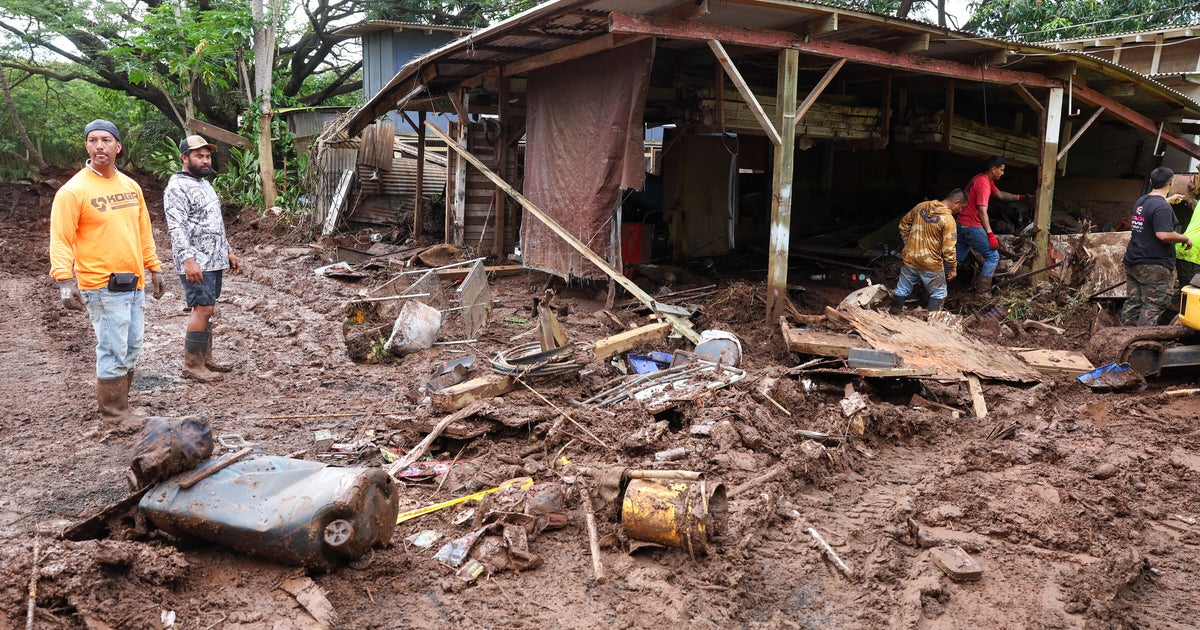
The heartbreak in Melanie Lee’s voice tells the story of thousands of Hawaii residents who are now picking up the pieces after catastrophic flooding swept through the islands. When Lee finally got to see what remained of her O’ahu home on Monday, the reality was devastating. After nearly two decades of building a life and raising a family in what she thought was paradise, everything was gone – buried under mud and debris. The family photos, the children’s keepsakes, the irreplaceable memories that make a house a home – all lost to the floodwaters. Now, like so many of her neighbors, Lee faces an agonizing question that has no easy answer: where do we go from here? Her loss represents just one family among hundreds who watched helplessly as the worst flooding Hawaii has experienced in twenty years transformed their vibrant, green communities into landscapes of mud and destruction. The emotional toll is immeasurable, as residents grapple with losing not just their possessions, but the sense of security and stability they’d built over years or even decades.
Unprecedented Storm System Brings Hawaii to Its Knees
Hawaii Governor Josh Green confirmed what residents already knew in their hearts – the state is facing a recovery effort of historic proportions after two massive storm systems dumped an almost unbelievable four feet of rain on parts of O’ahu and Maui over the course of just one week. The sheer volume of water was more than the islands’ infrastructure could handle, overwhelming drainage systems and turning streets into rivers. The most recent storm triggered urgent evacuation orders in areas north of Honolulu, where emergency responders worked around the clock to rescue more than 200 people trapped by rapidly rising waters. In northern O’ahu, the scenes resembled something from a disaster movie – National Guard members wading through waist-deep water to reach stranded motorists and homeowners who had become prisoners in their own homes. The storm’s impact on basic utilities was severe, with more than 2,000 residents left without electrical power throughout the weekend, adding to the misery of those already dealing with flooding and displacement. The images captured by Vantor satellites tell the story from above: flooded farms and fields, buildings surrounded by muddy water, and storm debris creating a brown stain as it flows into the ocean – a stark contrast to the typically crystal-clear waters Hawaii is known for.
Infrastructure Crumbles as Maui Bears the Brunt
While O’ahu suffered tremendously, the island of Maui experienced some of the most severe destruction. The torrential rains transformed normally peaceful riverbeds into raging torrents that carved new paths through the landscape, obliterating bridges that had stood for generations and washing away entire sections of roadway. Vehicles were swallowed whole by the floodwaters or buried in mud slides. The scope of the devastation is so extensive that officials admitted they haven’t even been able to complete a full assessment of the damage yet, but Governor Green’s preliminary estimates are staggering – the total cost could exceed $1 billion. This figure encompasses damage to critical infrastructure including airports that serve as the islands’ lifelines to the outside world, schools where children learn and communities gather, the road network that connects families and businesses, countless private homes, and even a hospital in Kula, Maui. The governor’s words during a news conference captured the gravity of the situation: “This is going to have a very serious consequence for us as a state.” Understanding that Hawaii cannot face this crisis alone, state officials reached out to the federal government, and Green reported that his chief of staff had already spoken with the White House and received commitments of federal support – a crucial lifeline for the recovery efforts ahead.
Even Celebrities Not Spared from Nature’s Fury
The flooding proved that disaster doesn’t discriminate, even affecting Hawaii’s most famous residents. Honolulu-born actor Jason Momoa, best known for his role in “Aquaman,” took to Instagram to share his family’s experience with fans and followers. In a video message, the actor explained that he and his family had been forced to evacuate from the North Shore when the power went out in their area. While Momoa was quick to assure everyone that his family was safe, his message focused on those who weren’t as fortunate. “We’re safe now, but there’s a lot of people who weren’t, so sending all our love,” the actor said, using his platform to draw attention to his fellow Hawaii residents who were suffering. Carol Philips, vice president of the North Shore Chamber of Commerce, painted an even grimmer picture when describing the community impact. She spoke of one house that had been home to eight people – a multigenerational family or perhaps a group of friends sharing space in Hawaii’s expensive housing market – that was simply “gone,” wiped away by the floods. These stories from both celebrities and community leaders helped personalize the crisis and drove home the point that entire communities had been transformed overnight.
A Community Already Healing Faces New Heartbreak
For the residents of Maui, this disaster carries an especially cruel dimension. These communities have spent the past two years slowly, painfully rebuilding after devastating wildfires claimed 102 lives and destroyed countless homes and businesses. Families who lost everything in those fires had worked tirelessly to start over, scraping together resources, dealing with insurance companies, navigating bureaucracy, and somehow finding the emotional strength to rebuild. Some had only recently moved into their new homes, finally beginning to feel settled again after years of displacement and uncertainty. Now, those same families are once again facing destruction, watching the homes they’d just rebuilt succumb to floodwaters and mud. The psychological impact of experiencing two major disasters in such quick succession cannot be overstated. U.S. Representative Jill Tokuda, who represents parts of O’ahu, spoke directly to this compound trauma: “We know for so many people the fires are one thing, and now to have flooding and in some cases their homes that they had just moved into… It can feel overwhelming.” Her words acknowledge what everyone in these communities is feeling – that cruel sense of “why us again?” and the exhaustion that comes from having to start over not once, but twice.
The Long Road Ahead: Recovery and Resilience
As the storm clouds finally clear and the floodwaters begin to recede, Hawaii faces a recovery effort that will test the famous “aloha spirit” that defines the islands. While officials report that miraculously, no lives were lost in the storms and flooding – a testament to effective evacuation procedures and rescue efforts – the financial and emotional costs are staggering. Communities that had already been stretched thin by recovery efforts from previous disasters now face the daunting task of rebuilding once again. The billion-dollar price tag represents more than just damaged buildings and infrastructure; it represents disrupted lives, displaced families, lost businesses, and shattered sense of security. For people like Melanie Lee, the question “where do we go from here?” will be answered one difficult day at a time, with the support of neighbors, government assistance, and the resilience that island communities have developed over generations of facing nature’s challenges. The images of National Guard members helping stranded residents, neighbors helping neighbors clear mud and debris, and community organizations mobilizing resources show that while the storms may have damaged Hawaii’s physical landscape, they haven’t broken the spirit of its people. The recovery will be long and difficult, requiring sustained attention and resources from state and federal governments, but Hawaii has faced challenges before and emerged stronger, and there’s every reason to believe it will do so again.