


The Disappearance and Murder of Dee Warner: A Family’s Three-Year Quest for Justice
A Mother Vanishes Without a Trace
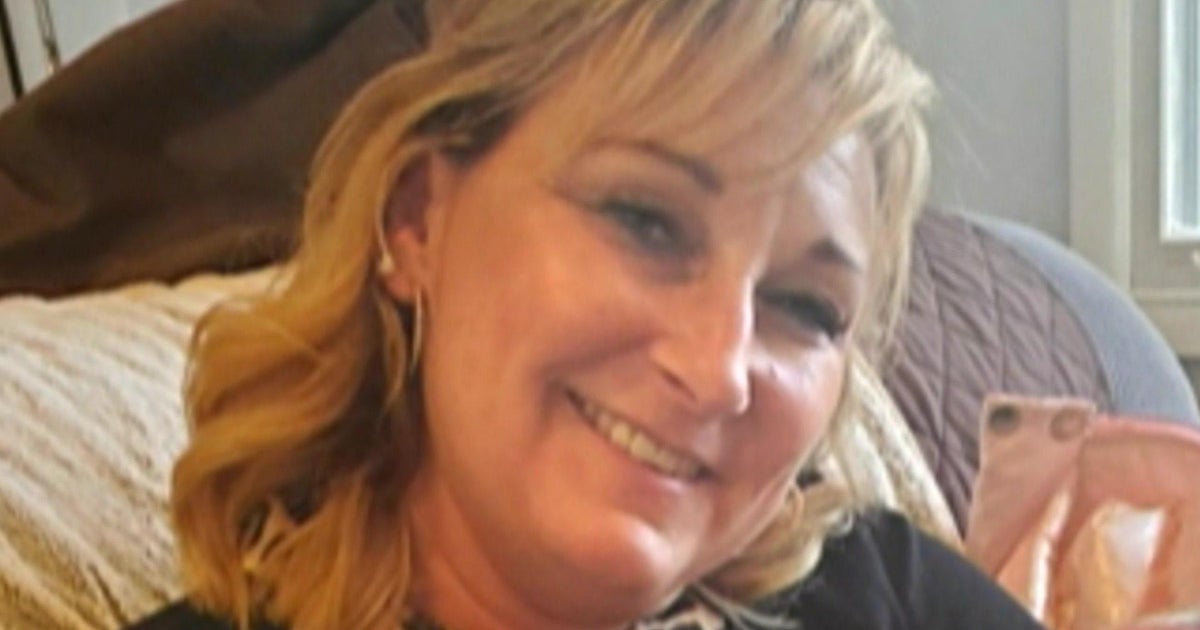
On a quiet Sunday morning in April 2021, Rikkell Bock made the short drive to her childhood home in Lenawee County, Michigan, for her regular weekly breakfast with her mother, Dee Warner. It was a ritual they cherished—Sunday mornings together before starting the week. But this particular Sunday, April 25th, would shatter their family forever. When Rikkell arrived, her mother wasn’t there. Dee’s cars—both her Hummer and her beloved Cadillac—sat parked on the property. Her phone went unanswered, text messages ignored. For a woman who was practically attached to her phone, who would send follow-up texts if you didn’t respond within five minutes, this silence was deafening and deeply wrong.
Rikkell’s stepfather, Dale Warner, was out working on the farm’s fertilizer sprayer, which wasn’t unusual—he was known to work at all hours. But as the day wore on and Dee remained unreachable, panic set in. Rikkell sought help from her uncle Gregg Hardy and aunt Shelley, Dee’s brother and sister-in-law. When they called Dee’s number, there was no response. They drove around searching, eventually returning to the house to look for clues. What they found was unsettling: blankets and tissues scattered everywhere, as though someone had been crying. Upstairs, Dee’s makeup bag, curling iron, and other personal items were missing. Later they would learn her phone and passport were gone too. Most troubling of all, Dee’s nine-year-old daughter Lena, whom she shared with Dale, had spent the night at a cousin’s house, and Dee hadn’t called or come to pick her up—something completely out of character for a mother and daughter who were inseparable.
A Husband’s Suspicious Story
By late Sunday, the Lenawee County Sheriff’s Office sent Deputy Austin Hall to speak with Dale Warner. In body camera footage from that encounter, Dale appeared calm and unsurprised by his wife’s disappearance. He told the deputy he had last seen Dee that morning around 6 a.m., sleeping and snoring on the couch before he left for work. He claimed he texted her but got no response, assuming she was still asleep. Dale seemed convinced that Dee had left voluntarily, pointing out that her hair dryer, curling iron, and makeup bag were missing. He even mentioned that she had a “secret phone” he knew about, though he couldn’t provide a number for it.
Dale explained that Dee had been extremely upset the night before following an argument with two employees, one of whom had quit. He described the tensions of running their three businesses—a trucking company that Dee managed, a farming operation, and a chemical company selling fertilizer and seed. He portrayed Dee as volatile and prone to dramatic exits, suggesting she had a history of leaving when upset and would eventually return. But Dee’s family wasn’t buying this narrative. They noticed inconsistencies in the stories Dale told each of them. To Gregg, Dale mentioned that Dee had a migraine and he’d given her a massage before she fell asleep. To Zack, Dee’s son and the family bookkeeper, Dale emphasized they’d had a “really big fight.” To Rikkell, he downplayed the argument as just “a little fight.” Perhaps most suspicious was Dale’s claim that Dee had left her wedding ring—worth as much as $40,000—on his office desk, something her family insisted she would never do.
Building Evidence in a Case Without a Body
As days turned into weeks and weeks into months, Dee’s family grew increasingly convinced that Dale had harmed her. They struggled with the reality that without a body, building a murder case would be extraordinarily difficult. The sheriff’s office conducted multiple searches and interviews, but nothing concrete emerged. Ten months after Dee vanished, her sister-in-law Shelley was watching an episode of “48 Hours” featuring investigator Billy Little, who boldly stated: “You don’t have a body. So what? You don’t get to get away with murder because you’re good at disposing of bodies.” This sparked hope, and Gregg immediately reached out to hire Little as a private investigator.
Billy Little’s investigation uncovered crucial details about the Warner marriage. It wasn’t a love match, according to family members—Dee seemed more attracted to the prospect of business success than to Dale himself. While Dee was outgoing, fun-loving, and social, Dale was quiet, distant, and worked constantly. He rarely joined her for activities she enjoyed, and Rikkell recalled how Dale would make cutting remarks designed to hurt people where they were most vulnerable. The family learned Dee had been having an affair, though her affair partner was out of town the weekend she disappeared and was cleared by investigators. More significantly, Dee’s children revealed that the day before she vanished, their mother had seemed different—calm in a way they hadn’t seen before. She had apparently decided to tell Dale that night that she wanted to sell the profitable trucking business and end their marriage. She didn’t want to continue splitting custody of young Lena with him, but the situation had become unbearable.
Little and Gregg worked tirelessly to keep pressure on Dale and find evidence. They launched a social media campaign called “Justice for Dee” and erected a billboard near the Warner farm that sarcastically read “Help Dale Find Dee,” ensuring Dale and his truck drivers would see it daily. They used drones to search thousands of acres, investigating multiple suspicious sites including a property where Dale had conducted a controlled burn six months after Dee disappeared. Despite their exhaustive efforts, they found nothing conclusive. The case seemed to be at a standstill until Michigan State Police took over in August 2022, bringing more resources and experience to the investigation.
The Path to Justice and a Shocking Discovery
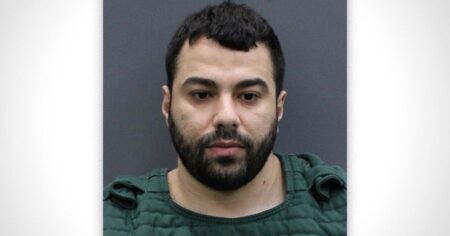
On November 21, 2023, two and a half years after Dee vanished, the news finally came: Dale Warner had been arrested and charged with his wife’s murder. He pleaded not guilty, and the family braced for a long legal battle. The preliminary hearing in May 2024 was emotionally grueling. Prosecutor Jackie Wyse methodically built a case showing that while there was no body, there was also no evidence Dee was alive. Stephanie Voelkle, Dee’s friend and employee, testified that Dee had asked her to research getting a second phone but never actually purchased one. Detective Daniel Drewyor detailed exhaustive searches—warrants for healthcare records, phone records, social media accounts, multiple vehicle searches, and land searches—all coming up empty. There was no electronic signature, no surveillance footage, no bank activity, nothing.
The prosecution presented an intriguing theory about suspicious tire tracks Rikkell had noticed at the back of the Warner house the day Dee disappeared. They suggested Dale had used the farm’s JCB front-end loader to remove Dee’s body from their home. Security footage showed Dale using that equipment early that morning, and he had told police he thought he’d used it to go back to the house to retrieve his worksheet around 6:30 a.m. The defense emphasized the lack of physical evidence—no murder weapon, no blood, no body parts. They pointed out that Dale’s movements that morning were consistent with security video footage and that he had cooperated with police, allowing searches and giving multiple interviews. Defense attorney Mary Chartier argued Dale had not acted like a guilty man and repeatedly maintained his innocence.
On June 7, 2024, Judge Anna Frushour delivered her decision. She spoke movingly about Dee as “a woman with a big heart and a temper” who cared deeply for her children and grandchildren, noting that nothing suggested she would disappear intentionally. The judge found Dale’s claims about a secret phone and someone picking up Dee were “not supported by any facts or evidence.” She ruled there was probable cause to believe Dee Warner had died by homicide at Dale’s hands, and he would stand trial for murder. Then, in August 2024, came the breakthrough the family had desperately sought. Police had returned to a property Dale and Dee owned and removed a large metal fertilizer tank with a non-factory weld and an “out of service” sign. When scanned, the tank revealed what investigators had been searching for—human remains that were quickly confirmed to be Dee Warner. Her death was ruled a homicide. The body had been hidden in plain sight for three years, concealed above ground when everyone had been searching below.
A Family’s Grief and Resilience
The discovery of Dee’s remains brought the family both profound grief and a measure of peace. Rikkell expressed relief that she could finally tell the world that her mother “didn’t leave us willingly.” They laid Dee to rest in a private burial, with twelve-year-old Lena present to say goodbye to the mother who would never have abandoned her. Gregg was emotional sharing that Lena now knew for certain “that her mother didn’t leave her. It was real.” The loss transformed each family member in different ways. Zack became three years sober, started his own real estate company, and stopped being afraid of failure because, as he put it, “there was nothing left to lose.” He embodied his mother’s spirit—hardworking, driven, and determined.
Dale Warner’s defense attorney maintains his innocence and has vowed to vigorously fight the charges in court, arguing that anyone could have accessed that barn and the fertilizer tank. But Dee’s family has no doubts about what happened. On March 10, 2026, their faith in justice was vindicated when a jury found Dale Warner guilty of second-degree murder and tampering with evidence in Dee Warner’s death. For Rikkell, the verdict meant she could ensure her children would grow up knowing about their grandmother—how Dee enjoyed being a grandma so much, how she would have been there for everything in their lives. The three-year nightmare had finally ended, though the pain of losing Dee remains. As Shelley tearfully shared, “It’s like you get hit in the stomach every time.” Stephanie Voelkle simply said what they all feel: “I miss her every day.” Dee Warner’s story is ultimately one of a family’s unwavering determination to find truth and justice, refusing to let their beloved mother, sister, and friend be forgotten or her death go unpunished.