


Tragic Stadium Incident Claims Life and Injures Dozens at Peruvian Soccer Match
Chaos Erupts at Alejandro Villanueva Stadium
A night that should have been filled with excitement and anticipation for one of Peru’s most anticipated soccer rivalries turned into a nightmare on Friday evening. At least one person lost their life and approximately 60 others sustained injuries in what authorities are describing as a dangerous crush of supporters at the Alejandro Villanueva Stadium in Lima, Peru’s capital city. The incident occurred just hours before Alianza Lima was scheduled to face off against their fiercest competitors, Universitario, in what locals consider one of the most significant matches in Peruvian football. The tragedy unfolded in the stadium’s south stands, where passionate Alianza Lima supporters had gathered to support their beloved team. What was meant to be an evening celebrating the beautiful game instead became a scene of chaos, confusion, and ultimately, loss.
Conflicting Reports and Emergency Response
In the immediate aftermath of the incident, information coming from various official sources painted a confusing picture of exactly what had transpired. The Ministry of Health initially reported that a wall inside the stadium had collapsed, which would have explained the sudden nature of the casualties and the severity of some injuries. However, both the National Police and Alianza Lima football club issued separate statements firmly denying that any structural collapse had occurred. According to police reports, officers on the scene worked frantically to rescue people who had become trapped as a massive influx of Alianza Lima supporters flooded into the south stands. The discrepancy between these accounts highlights the chaotic nature of the scene and the difficulty emergency responders faced in assessing the situation while simultaneously trying to save lives and provide medical assistance to the injured.
The Scale of the Tragedy
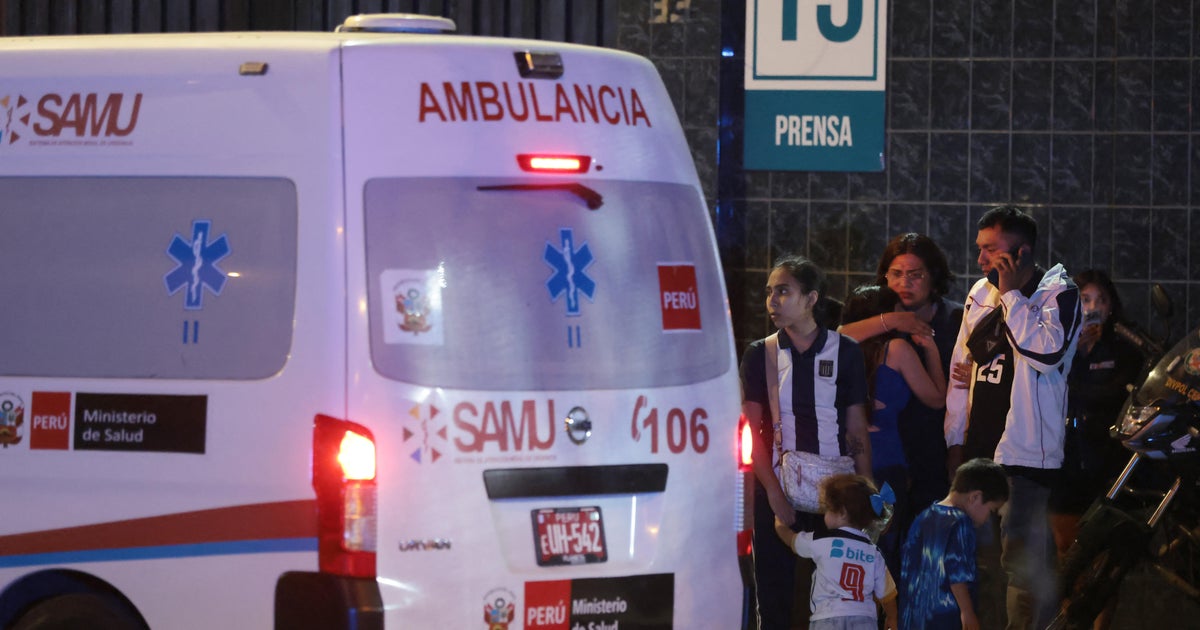
Fire brigadier Marcos Pajuelo, speaking to media outlets at the scene, confirmed the devastating news that at least one person had died as a result of the incident. He also reported that dozens of injured individuals had been transported to various hospitals throughout Lima for treatment. In a statement that underscored how much remained unknown about the circumstances, Pajuelo admitted that authorities had not yet determined the exact cause of the incident. The Ministry of Health, coordinating with hospitals across the capital, reported that 60 people had been documented as injured, though officials cautioned that this number could change as more information became available. The injuries ranged in severity, with some fans suffering minor bruises and others requiring immediate medical intervention. Ambulances were seen racing to and from the stadium throughout the evening, their sirens adding to the atmosphere of panic and concern that had replaced the earlier excitement.
Eyewitness Accounts and Media Coverage
Local television stations quickly arrived at the scene and began broadcasting footage that painted a vivid and disturbing picture of the events. Videos showed massive crowds of fans packed into the south stands, many wearing the distinctive blue and white colors of Alianza Lima. In some of the footage, an explosion of fireworks could be seen amid the crowd, adding to speculation about what might have triggered the stampede or crush. Other video evidence showed clearly injured people sitting or lying in the stands, some receiving assistance from fellow fans while waiting for professional medical help to arrive. The images that emerged were particularly striking given the contrast between the festive atmosphere that typically surrounds such matches and the scene of distress captured by cameras. Photographs from outside the stadium showed ambulances lined up at the facility’s exits, their emergency lights flashing as paramedics rushed to provide aid. These visual records would likely become crucial evidence as authorities began their investigation into exactly what went wrong and how such a tragedy could have been prevented.
A Community in Shock
As news of the incident spread throughout Lima and across Peru, relatives and loved ones of those who had attended the match began arriving at the stadium, desperate for information about their family members and friends. Photographs captured the anguish on the faces of those waiting at the entrance of the Alejandro Villanueva Stadium, some holding phones to their ears as they tried frantically to reach people who had been inside. The stadium, which bears the name of a legendary Peruvian footballer, had been the scene of countless celebrations and heartbreaks over the years, but nothing quite like this. The Alianza Lima versus Universitario rivalry, known as the “Clásico” among Peruvian football fans, typically draws enormous crowds and generates intense passion. These matches are more than just sporting events; they represent deep-rooted neighborhood loyalties and family traditions that span generations. The fact that such a beloved institution could become the site of such tragedy has left the entire Peruvian football community reeling and questioning how safety measures at such events can be improved.
Looking Forward: Questions and Consequences
As the immediate emergency response phase concluded and injured fans received treatment at hospitals across Lima, attention inevitably turned to difficult questions about accountability and prevention. How could such a dangerous situation develop at a stadium that regularly hosts large crowds? Were there adequate safety measures in place to manage the flow of fans entering the facility? What role, if any, did the use of fireworks play in creating panic or confusion? Why were there conflicting reports about whether a wall had collapsed, and what does this say about communication protocols during emergencies? The scheduled match between Alianza Lima and Universitario was understandably called off, but the cancellation of a single game pales in comparison to the larger implications of this tragedy. Peruvian football authorities, stadium management, and government officials will need to conduct thorough investigations to prevent similar incidents in the future. This tragedy serves as a sobering reminder that sporting events, while bringing communities together in celebration, also carry responsibilities for the safety and wellbeing of all attendees. As Peru mourns the loss of at least one life and hopes for the recovery of dozens of injured fans, the nation’s football community faces a period of reflection about how to balance the passionate support that makes the sport so special with the fundamental requirement to keep everyone safe.