
The Real Cost of Healthcare: How Families Are Struggling After Premium Tax Credits Expired
A Mother’s Impossible Choice
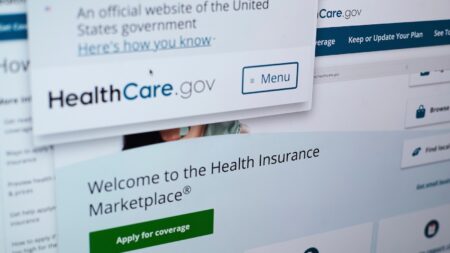
When Jessica Chamberlain, a 43-year-old single mother from Illinois, logged onto the Affordable Care Act marketplace to renew her health insurance for 2026, she experienced a moment that millions of Americans are now facing. Her monthly premium, which had been a manageable $59.67 the previous year, had nearly doubled to almost $100. For Chamberlain, who is diabetic and responsible for raising two children on her own, this increase represented more than just a financial inconvenience—it was an impossible choice between keeping health insurance and meeting her family’s basic needs. After carefully considering her limited options, she made the difficult decision to drop her health coverage entirely, joining the ranks of the uninsured. “What do I sacrifice to keep my medications and my health afloat?” she asked, highlighting the devastating reality that many working Americans now face: having to choose between health coverage and essentials like food, housing, and medication.
A Growing Crisis: Millions Dropping Coverage
Chamberlain’s story is far from unique. According to a comprehensive survey published by the Kaiser Family Foundation (KFF), nearly one in ten people who were enrolled in the ACA Marketplace in 2025 dropped their coverage in 2026. This alarming trend comes at a time when healthcare costs are rising and the enhanced premium tax credits that helped make insurance affordable have expired. These tax credits, which helped approximately 22 million Americans afford their monthly premiums, came to an end in late 2025, and Congress has shown no indication of extending them. The KFF survey, which re-interviewed over 1,100 adults between February and March 2026 who had previously been enrolled in Marketplace plans, paints a troubling picture of the American healthcare landscape. While 69% of respondents managed to re-enroll in Marketplace coverage—with 39% keeping the same plan and 29% switching to different options—the financial strain on these families is evident and growing.
The Shock of Rising Healthcare Costs
The survey revealed that more than half of returning ACA enrollees—51% to be exact—reported that their healthcare costs are “a lot higher” this year compared to last year. Among this group, four out of ten specifically pointed to premiums as being “a lot higher.” The overall picture is even more concerning, with 80% of respondents reporting that all aspects of healthcare costs, including premiums, deductibles, co-pays, and coinsurance, have increased. Holly Weir, a 26-year-old from Ohio and a thyroid cancer survivor, experienced this sticker shock firsthand. Her monthly premium under a UnitedHealthcare plan jumped from $30 to $177—an increase of nearly 500%. “I didn’t pay too much attention until I got the bill the next month and I was like ‘Oh my God, this isn’t from me going to see a medical provider,'” Weir explained. The sudden increase caught her completely off guard, and like Chamberlain, she found herself facing an untenable situation. Weir has since canceled her insurance and applied for Medicaid, though she’s currently in limbo waiting to see if she’ll be approved.
Living on the Edge: The Vulnerable Suffer Most
The human impact of these premium increases extends beyond mere statistics. Weir, who must see an oncologist every two months and takes regular medication for her thyroid cancer, expressed the anxiety that comes with being uninsured: “Once that runs out, I’ll get a lot more scared. Of course, I’m not going to be stupid and leave it so long. If it does come to it, I’ll pay [for the insurance]. The idea that I would have to spend that each month is frustrating. I’m already not doing amazingly financially.” The survey found that even those who managed to maintain their ACA Marketplace coverage are making significant sacrifices. More than half—55%—of re-enrolled individuals reported that they need to cut spending on food and other basic household expenses to afford their healthcare costs. This number rises to 62% among those with chronic health conditions who re-enrolled, highlighting how the most vulnerable populations are being forced to make the most difficult choices. These aren’t luxuries being cut—these are essentials like groceries and household necessities that families are sacrificing to maintain access to healthcare.
Navigating a Broken System
The survey also revealed that 22% of previous ACA Marketplace enrollees found alternative coverage through employers, Medicare, Medicaid, or other health plans outside the Marketplace. However, for many like Chamberlain, these alternatives aren’t available. Despite her children qualifying for state-run Medicaid, Chamberlain herself doesn’t qualify because her income from her job in probation is considered too high—yet clearly not high enough to afford the nearly doubled insurance premiums. This represents a cruel catch-22 that many working Americans face: earning too much to qualify for assistance programs but not enough to afford the actual cost of healthcare. The situation is particularly devastating for people with pre-existing conditions, who cannot afford to go without insurance but are finding it increasingly impossible to pay for it. “This is destroying people who have pre-existing conditions,” Chamberlain said. “It is affecting people, especially single moms. We’re just trying to live.”
The Broader Implications and Path Forward
The KFF survey results reveal a healthcare system in crisis, where the expiration of enhanced premium tax credits has created a cascade of negative consequences for millions of American families. When respondents were asked why they decided to drop or change their coverage, costs were overwhelmingly cited as the driving factor. This crisis isn’t affecting people who are gaming the system or looking for handouts—it’s impacting working Americans who are doing everything right but still can’t afford to protect their health. Single parents like Chamberlain, young cancer survivors like Weir, and millions of others are being forced into impossible decisions that will have long-term consequences for their health and financial stability. The human cost of this policy failure cannot be overstated: people are rationing medications, delaying necessary medical care, and cutting back on food to try to maintain some form of health coverage. As these families wait and hope for policy changes that might restore affordability to the healthcare marketplace, they continue to face daily choices that no one in a wealthy nation should have to make. The question remains whether Congress will act to address this growing crisis before more Americans are forced to choose between their health and their family’s basic needs.