

Iran’s Deadly Crackdown: A Nation Under Siege One Month Later
The Unfolding Tragedy and Its Devastating Scale
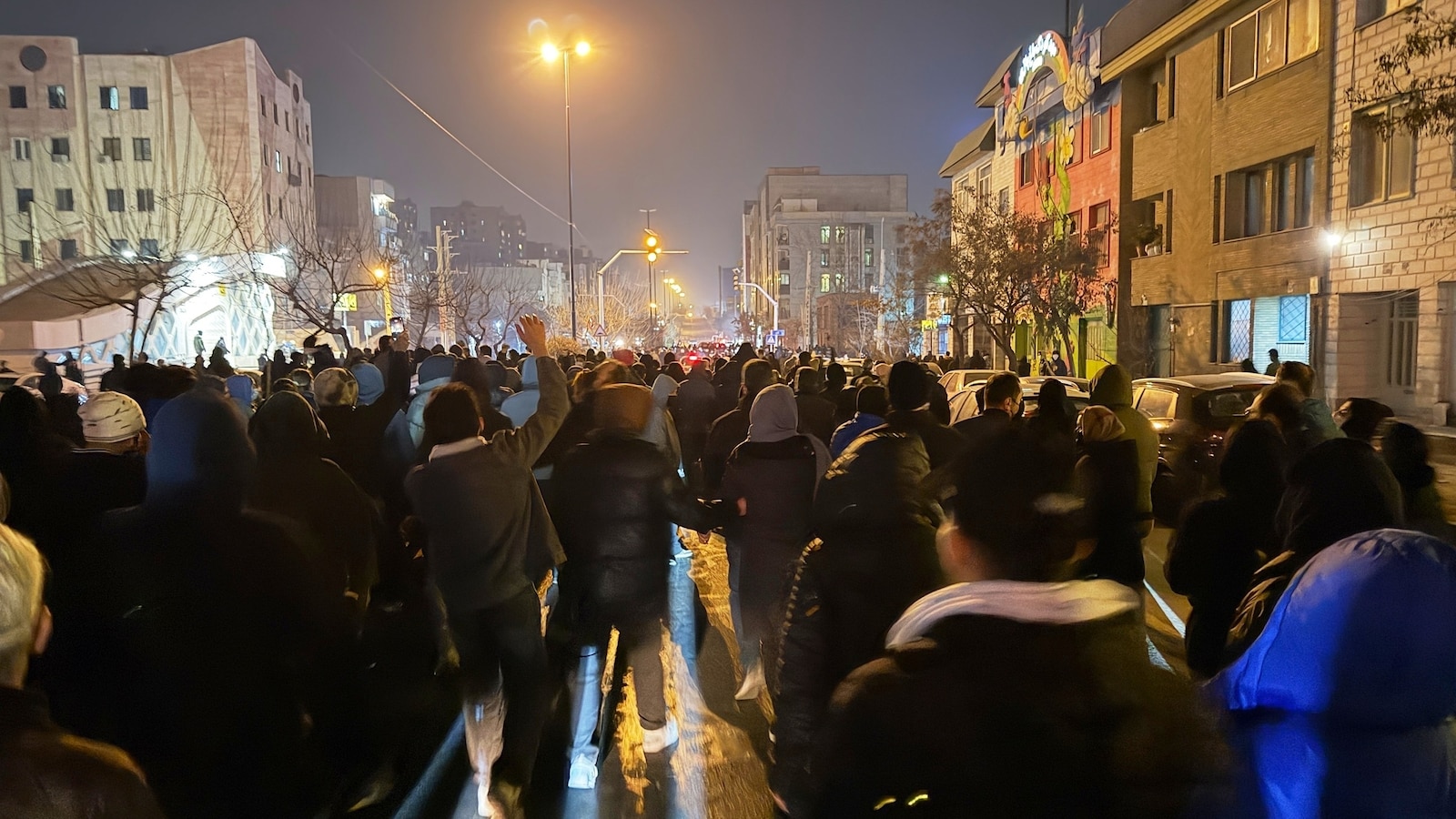
A month has passed since Iran witnessed what many are calling the darkest chapter in its contemporary history—a violent government crackdown on peaceful protesters that has left thousands dead and tens of thousands imprisoned. What began as nationwide demonstrations calling for regime change has transformed into a humanitarian crisis of staggering proportions. While the world’s attention has gradually drifted toward diplomatic negotiations between Washington and Tehran regarding Iran’s nuclear ambitions, the reality on the ground tells a far more harrowing story. Human rights organizations and Iranians both inside the country and in exile are sounding urgent alarms that the repression hasn’t eased—it has intensified. The atmosphere throughout Iran has become one dominated by terror, systematic brutality, and an ever-present threat of violence against anyone who dares to speak out.
The numbers alone paint a chilling picture of state-sponsored violence. According to the Human Rights Activists News Agency (HRANA), a U.S.-based organization tracking the crisis, over 6,400 protesters have lost their lives, while authorities have arrested more than 51,500 people on charges related to the demonstrations. Perhaps most troubling is that an additional 11,000 deaths are still being investigated and verified, suggesting the final death toll could climb even higher. The most violent government response occurred on January 8 and 9, when Iranian security forces launched what activists describe as the single most brutal assault on citizens in this wave of protests. Throughout those two days, Iranians who had taken to the streets demanding fundamental change faced overwhelming force from regime forces determined to crush dissent at any cost. While independent verification of these figures remains impossible due to the regime’s tight control over information, the flood of documentation emerging from within Iran supports the scale of this tragedy.
Stories of Grief, Desperation, and Fear
Social media platforms catering to Farsi-speaking audiences have become digital memorials and desperate message boards, filled with heartbreaking evidence of the crackdown’s human cost. Families share videos of themselves grieving over loved ones killed in the streets, their raw emotion a testament to lives cut short by bullets and batons. Other videos show relatives desperately searching through morgues and prisons, looking for family members who simply vanished after joining protests. The pleas for help finding missing sons, daughters, parents, and siblings have become heartbreakingly routine. Many of those who were injured during protests face an impossible choice—they can seek proper medical treatment at hospitals and risk arrest, or they can suffer at home. The regime has turned hospitals into surveillance sites, with security forces monitoring emergency rooms specifically to identify and capture wounded protesters.
This impossible situation has forced many injured Iranians to turn to social media, posting photos of their wounds and asking doctors online for advice on how to treat themselves at home. An Iranian lawyer who spoke with news outlets last week revealed that even this desperate workaround has become dangerous—several doctors who provided remote medical guidance or treated wounded protesters in their homes have themselves been arrested. The regime’s reach extends even to those showing basic human compassion. The relentless stream of such posts on social media shows no signs of diminishing, suggesting that the violence continues unabated despite reduced international media attention. Each post represents not just a statistic but a person—someone’s child, parent, friend, or neighbor—whose life has been forever altered by the regime’s determination to maintain power at any cost.
The Children Lost to Violence
Among the most devastating revelations to emerge is the death toll among Iran’s youngest citizens—its students. This past Sunday, the Coordinating Council of Iranian Teachers’ Trade Associations published a list that no organization should ever have to compile: the names of 200 students confirmed killed during the protests. These weren’t young adults in university; many were schoolchildren whose lives were ended before they truly began. In a statement that captured the profound grief felt throughout Iran’s educational community, CCITTA wrote, “Each name carries a wish with it: I wish he were alive; I wish his school was still waiting for him.” They continued with an observation that speaks to the depth of this tragedy: “The empty benches are not just a sign of absence; they are a reminder of a crime that has reached the classroom.”
These 200 names represent futures stolen, potential unfulfilled, and families shattered. They represent classrooms across Iran where seats remain empty, where teachers call attendance knowing certain names will never again be answered. The fact that the regime’s violence has claimed so many young lives—students who should be focused on homework and friendships rather than revolution and survival—underscores the indiscriminate nature of the crackdown. The government has shown it will target anyone, regardless of age, who it perceives as a threat to its authority. For families who lost children, the grief is compounded by the knowledge that their sons and daughters died simply for wanting a better future, for daring to imagine an Iran free from authoritarian rule.
Systematic Torture and Abuse Behind Bars
The nightmare doesn’t end with arrest—for many, it’s only beginning. Human rights organizations have documented widespread abuse of detainees, including sexual violence and torture designed to break spirits and extract forced confessions. Over the weekend, the Hengaw human rights organization issued a stark warning based on interviews with former detainees, describing systematic sexual violence during this latest wave of arrests. They characterized the mental state of those still in custody as “dire,” the result of ongoing torture and abuse. These aren’t isolated incidents but part of a deliberate strategy to terrorize the population into submission.
The case of journalist and activist Vida Rabbani illustrates the brutality faced even by high-profile prisoners whose treatment might be expected to face greater scrutiny. Rabbani was arrested after signing a joint statement declaring the downfall of the Islamic Republic “inevitable”—an act of conscience that has cost her dearly. Her husband, Hamidreza Amiri, was permitted a prison visit and shared his observations on Instagram. “There were many obvious bruises on Vida’s body. She had been severely beaten,” he wrote. When Rabbani refused to wear the compulsory hijab while in prison—exercising the very freedom the protests have been fighting for—guards responded by pulling out her hair. Amiri described a heartbreaking scene: “The artist girl had made a bracelet from a handful of her own hair. The bracelet, next to the bruises on her hand, created a strange and deeply moving scene.” Activists point out a chilling reality: if someone with Rabbani’s public profile faces such treatment, what must be happening to ordinary protesters whose cases receive no media attention whatsoever?
The regime has also ramped up its use of forced confessions, a propaganda tool designed to discredit the protest movement and intimidate others from joining it. According to HRANA, at least 331 forced confessions related to the protests have been broadcast through state media. One recent example involves Mohammad Ali Saedinia, a prominent business owner who demonstrated solidarity with the protests by closing all locations of his well-known confectionery chain and participating in strike actions. This week, state-affiliated media published what they claimed was a letter signed by Saedinia, calling his decision to shut down his stores a “mistake,” condemning Israel and the United States, and apologizing to the Iranian people. Earlier this month, judiciary officials confirmed that Saedinia had been arrested and that the regime had ordered all his properties seized. The message is clear: support the protests and lose everything—your freedom, your livelihood, possibly your life.
Tightening the Grip on All Dissent
The regime’s crackdown has expanded beyond street protesters to include even those within the system who have voiced mild criticism of how the demonstrations have been handled. This Monday, Iranian authorities arrested several prominent reformist figures after they allegedly criticized the government’s response to the protests. According to state media, these individuals face charges including “attacking national unity” and “coordinating with enemy propaganda”—vague accusations that can be applied to virtually any form of dissent. These arrests are particularly significant because they signal that even those who have worked within the Islamic Republic’s political framework are no longer safe if they question the hardliners’ approach.
An Iranian analyst, speaking on condition of anonymity for security reasons, told reporters that these arrests carry strategic importance beyond the individuals involved. The analyst suggested the Trump administration might be considering engagement with some Iranian government insiders if the current regime were to collapse—a possibility that makes reformists inside the system valuable potential intermediaries. By arresting these figures now, hardliners aligned with Supreme Leader Ayatollah Ali Khamenei appear to be consolidating power and eliminating any alternative voices that might become relevant in future negotiations or transitions. The analyst added that this move likely reflects the uncertainty surrounding ongoing nuclear negotiations with the United States, with hardliners unwilling to allow any challenge to their authority during such a critical period. The message is unmistakable: in today’s Iran, there is no safe space for dissent, no acceptable level of criticism, no tolerance for anything less than absolute loyalty to the regime’s most extreme elements. The Islamic Republic is eating its own, purging even those who have long operated within its structures, in a desperate bid to maintain total control over a population that has shown it no longer fears the consequences of speaking out.