


A Tragedy Beyond Comprehension: When Childhood Innocence Meets Unthinkable Violence
The Unimaginable Loss
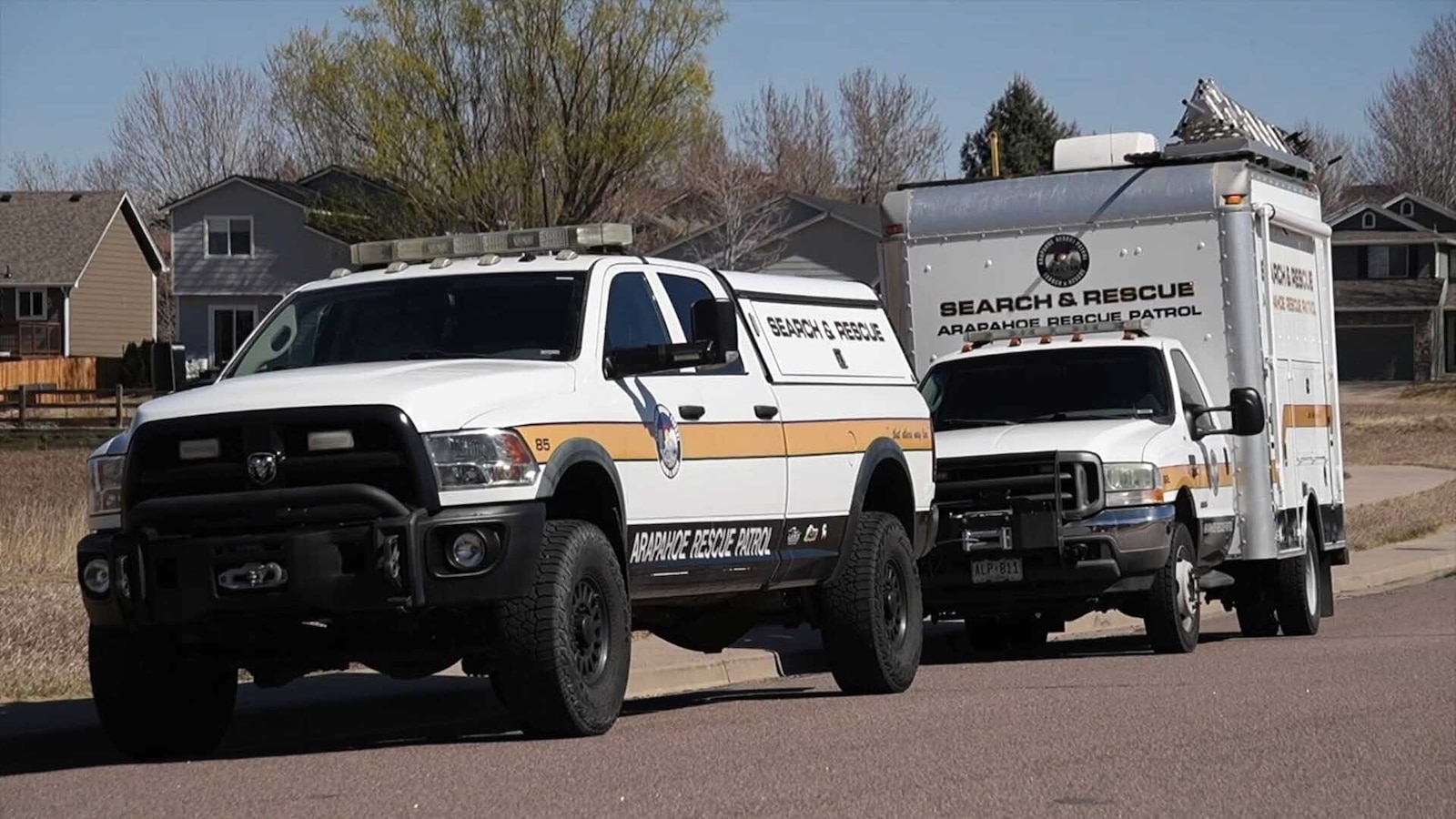
In a heartbreaking case that has shaken a Colorado community to its core, an 11-year-old boy now faces first-degree murder charges in connection with the death of his 5-year-old brother. The tragedy unfolded on March 10 at a family home in Centennial, a suburb just outside Denver, leaving investigators, legal experts, and community members struggling to comprehend how something so devastating could occur between two children so young. The 18th Judicial District Attorney’s Office announced the charges on Tuesday, including an aggravated juvenile offender sentence enhancer, marking one of the most unusual and disturbing cases in recent memory. The Arapahoe County Sheriff’s Office has been leading the investigation, but many details remain shielded from public view due to the juvenile status of the accused, leaving a community grappling with grief, confusion, and an overwhelming sense of loss for both children involved in this unthinkable tragedy.
The case represents every parent’s worst nightmare—a situation where the sanctity and safety of home, where siblings should grow and play together, became the scene of an inexplicable loss of life. Sheriff Tyler Brown expressed the profound impact of the case in a public statement, acknowledging that “our hearts go out to the family of these two young boys and to everyone in our community who is grieving this loss.” His words capture the collective sorrow that extends far beyond the immediate family, touching classmates who will never again see their young friend, teachers who nurtured both boys, and neighbors who watched them grow. The ripple effects of such a tragedy are immeasurable, affecting everyone who knew the children and challenging our fundamental understanding of childhood, family bonds, and the capacity for violence in those we least expect.
The Legal Complexity of Charging a Child
The decision to charge an 11-year-old with first-degree murder represents an extraordinarily rare step in the American justice system, highlighting the severity of the allegations while raising profound questions about childhood culpability. ABC News legal analyst Brian Buckmire emphasized just how exceptional this situation is, stating that “it’s extremely unusual” for someone so young to face such serious charges. The legal concept of “mens rea”—the mental state or intent required to establish criminal liability—becomes incredibly complicated when the accused is barely out of elementary school. Buckmire explained that typically, “someone who is 11 years old doesn’t have the mens rea, or the mental capacity, to commit this crime,” underscoring the legal presumption that children of such tender age lack the cognitive development, life experience, and understanding of consequences necessary to form the criminal intent required for first-degree murder charges.
The courtroom proceedings themselves present unique challenges when dealing with such a young defendant. Even the fundamental aspects of testifying—understanding what it means to take an oath and tell the truth—require special consideration. As Buckmire noted, cases involving 11-year-old witnesses are rare “because oftentimes we have to go through a hearing to see whether or not an 11-year-old understands the concept of taking an oath.” Now imagine those complexities multiplied when that 11-year-old is not merely a witness but the defendant in a first-degree murder case. The legal system must balance its responsibility to seek justice for the 5-year-old victim while recognizing that the accused is himself a child, deserving of protections afforded to minors. This delicate balance reflects our society’s broader struggle with how to address serious crimes committed by juveniles—particularly those committed by children who, in many contexts, would still be considered too young to fully understand right from wrong or to anticipate the permanent consequences of their actions.
Privacy, Protection, and Public Interest
In the wake of these charges, authorities have maintained strict confidentiality regarding the specifics of what happened in that Centennial home. The District Attorney’s office has made clear that juvenile case records remain sealed from public view, meaning that critical details—including the 5-year-old’s cause of death, the circumstances leading to his death, and what allegedly transpired between the brothers—will not be publicly disclosed. This protective measure exists for important reasons rooted in both law and child development principles. As Buckmire articulated, “While this minor is being accused of a very serious crime, they are still a child, they are still a minor, and those protections are paramount.” This statement encapsulates the tension at the heart of juvenile justice: how do we hold young offenders accountable while acknowledging their status as developing individuals who may still have potential for rehabilitation?
The decision to keep details private also serves to protect all parties involved in this tragedy, including surviving family members who must somehow process the incomprehensible loss of one child while facing the possibility that another child in their family is responsible. The protective shield of privacy allows the legal process to unfold without the glare of media sensationalism that might compromise the fairness of proceedings or further traumatize those already suffering unimaginable pain. Yet this same privacy creates a vacuum of information that communities naturally seek to fill, sometimes with speculation that can be as harmful as exposure. The balance between protecting a juvenile defendant’s rights and satisfying the public’s interest in understanding how such tragedies occur represents one of the most challenging aspects of cases like this one, where the age of those involved makes every decision carry consequences that will extend far into the future.
Community Impact and Collective Grief
Beyond the legal proceedings and the immediate family, this tragedy has cast a long shadow over the entire Centennial community and beyond. Sheriff Brown’s acknowledgment that “cases involving the homicide of children are among the most difficult our deputies and investigators face” speaks to the profound emotional toll such investigations take on even seasoned law enforcement professionals. First responders, investigators, and prosecutors who work these cases carry the weight of what they’ve witnessed, often struggling with their own trauma while maintaining the professional composure necessary to seek justice. For the deputies who arrived at that home, for the investigators who have had to piece together what happened, this case represents not just a professional challenge but a deeply personal burden that will likely stay with them throughout their careers.
The impact extends throughout the wider community in concentric circles of grief and confusion. Classmates of the 5-year-old victim must process the permanent absence of their friend, while those who knew the 11-year-old accused face the confusing reality that someone they knew as a peer now stands charged with an unthinkable crime. Teachers who nurtured both boys face their own complex emotions—mourning the loss of one student while grappling with what this means for another child they taught and cared for. Neighbors who may have seen the boys playing outside, parents who arranged playdates, coaches, counselors, and others who intersected with this family all find themselves processing trauma and searching for signs they might have missed or interventions that could have prevented this tragedy. Sheriff Brown recognized this community-wide impact, noting that “tragedies like this impact not only the family, but also classmates, teachers, and neighbors throughout the community.” This acknowledgment validates the collective grief that communities experience when childhood innocence is shattered so completely and so close to home.
Questions Without Easy Answers
In the aftermath of such a tragedy, communities inevitably search for explanations, for some factor that might help make sense of the senseless. What could lead to such violence between brothers so young? Were there warning signs that were missed? What circumstances existed in that home, in those children’s lives, that could have contributed to such a devastating outcome? These questions haunt everyone touched by the case, yet the answers—if they exist at all—remain locked behind the walls of confidentiality that protect juvenile proceedings. The sealed nature of the case means that the public may never know the full story, never understand the context that led to one child’s death and another’s arrest. This uncertainty can be frustrating for a community seeking closure, yet it reflects the legal system’s recognition that some protections must remain in place regardless of the severity of allegations.
The case also raises broader societal questions about children, violence, and justice. How do we as a society address situations where children harm other children? At what age can we truly hold someone criminally responsible for their actions? What role do mental health, family dynamics, exposure to violence, and other environmental factors play in shaping a child’s capacity for harm? These questions have no simple answers, and this case in Centennial serves as a heartbreaking reminder of their urgency. The 11-year-old now sits in the Marvin W. Foote Youth Services Center, his future uncertain, his childhood irrevocably altered. Whatever the outcome of the legal proceedings, two young lives have been fundamentally changed—one ended far too soon, the other facing consequences that will shape every day that follows. For the family at the center of this tragedy, the path forward seems impossible to imagine, marked by grief, guilt, confusion, and a loss that can never be restored.
Moving Forward Through Unfathomable Pain
As this case proceeds through the juvenile justice system, it will continue to challenge our assumptions about childhood, criminal responsibility, and the possibility of redemption. The legal process will unfold largely outside public view, as it should when minors are involved, but the impact of this tragedy will continue to reverberate through the Centennial community and beyond. Mental health professionals, educators, and community leaders will need to provide support not only to those directly affected but to all who struggle to process what has happened. Conversations about child development, family support systems, mental health resources, and violence prevention will continue in homes, schools, and community centers, as people search for ways to prevent future tragedies.
For now, a community mourns a 5-year-old child who will never grow older, never attend another birthday party, never graduate or fall in love or experience all the moments that should have stretched before him. Simultaneously, that same community grapples with what it means that an 11-year-old stands accused of taking that future away. There are no winners in this situation, no satisfying resolution that will restore what has been lost. There is only the slow, painful process of grief, the pursuit of whatever justice is possible, and the hope that somehow, understanding and healing can emerge from even the darkest circumstances. As Sheriff Brown noted, these cases are among the most difficult that law enforcement faces, but they are also among the most difficult that any community faces—testing our capacity for compassion, our commitment to both accountability and mercy, and our ability to hold space for the complexity of human behavior, even when that behavior seems incomprehensible and the humans involved are just children themselves.