


Major Cocaine Bust in Puerto Rico: $12 Million Drug Seizure Highlights Island’s Role in Drug Trafficking
Record-Breaking Seizure Off Puerto Rico’s Coast
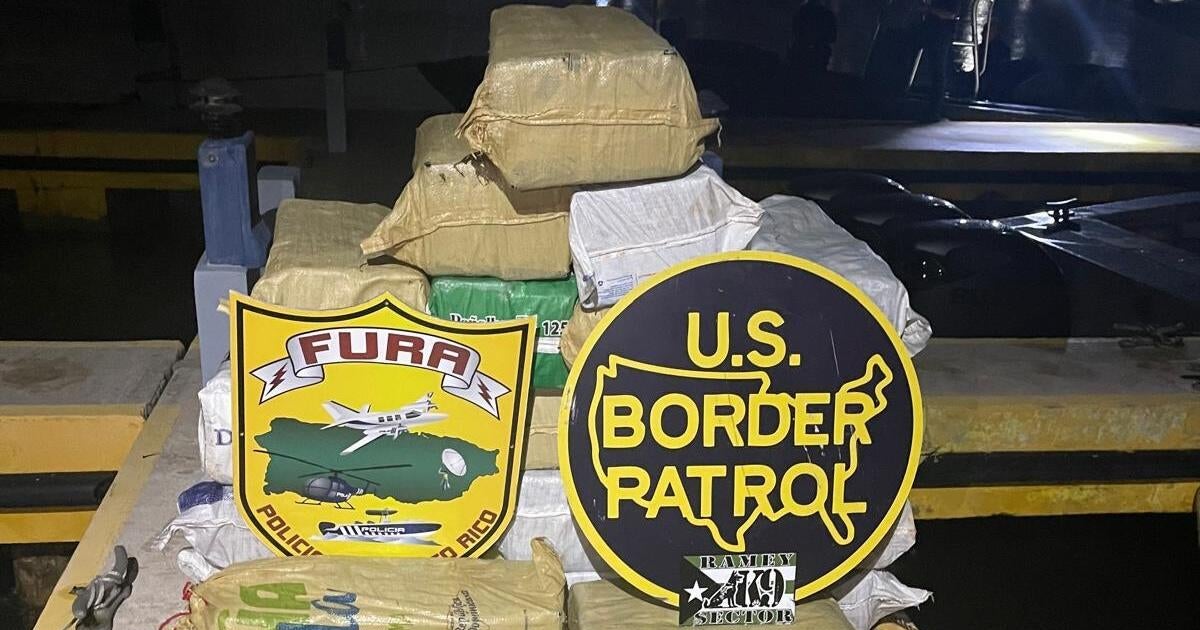
In a significant victory against drug trafficking, Puerto Rican authorities made headlines this week by intercepting a massive cocaine shipment valued at approximately $12 million off the island’s northern coastline. The dramatic seizure took place in the waters near Río Grande, a municipality on Puerto Rico’s northeast coast, when law enforcement officers spotted and pursued an unmarked 26-foot vessel operating suspiciously in territorial waters. After a tense chase across the Caribbean waters, authorities successfully apprehended three suspects aboard the boat and discovered an astonishing cache of more than 1,800 pounds of pure cocaine hidden on the vessel. The sheer magnitude of this bust—one of the largest in Puerto Rican waters in recent memory—has since been transferred to federal authorities for further investigation and prosecution. This seizure serves as a stark reminder of Puerto Rico’s ongoing struggle with its geographic position as a critical transit point for narcotics flowing from South America toward the lucrative markets of the continental United States and Europe.
Puerto Rico: A Strategic Gateway for International Drug Trade
Puerto Rico’s location in the Caribbean has made it an unfortunate crossroads in the international drug trade for decades. Situated strategically between South American cocaine production centers and the massive consumer markets in North America and Europe, the U.S. territory has become a favored stopping point for drug smuggling operations. Traffickers take advantage of the island’s extensive coastline, numerous small harbors, and the challenge law enforcement faces in monitoring thousands of square miles of open water. The island’s status as a U.S. territory also makes it an attractive target for smugglers, as drugs that successfully reach Puerto Rico are technically already on American soil, making the final leg of the journey to the mainland potentially easier to navigate. This geographic curse has placed tremendous strain on local and federal law enforcement agencies, who must constantly patrol both land and sea to intercept these illegal shipments. The recent $12 million seizure demonstrates both the scale of the problem and the determination of authorities to combat it, though experts acknowledge that for every successful interdiction, other shipments likely make it through undetected.
A Troubling Pattern: Recent Drug Seizures Reveal Escalating Activity
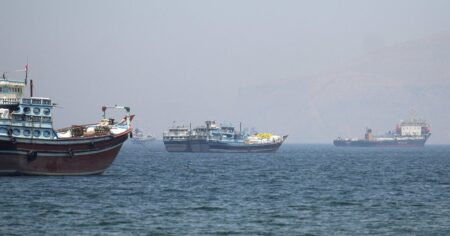
The massive cocaine bust this week is far from an isolated incident, but rather part of a disturbing pattern that has emerged over recent months, indicating either increased trafficking activity or improved law enforcement capabilities—or both. Just weeks before this latest seizure, on February 26th, U.S. Customs and Border Protection officers made another significant discovery when they found approximately 214 pounds of cocaine cleverly concealed within a cargo ship that had docked in San Juan, Puerto Rico’s bustling capital city. That particular haul, valued at around $1.7 million, demonstrated the sophisticated methods traffickers employ to hide contraband among legitimate commercial goods. Going back further to January, federal agents collaborated with the U.S. Coast Guard in another successful operation that resulted in the seizure of ten bales of suspected cocaine weighing nearly 780 pounds, with an estimated street value exceeding $5 million. This interception came after authorities received intelligence reports about suspicious activity involving two vessels operating off Puerto Rico’s coast, showcasing the importance of intelligence gathering and inter-agency cooperation in combating maritime drug trafficking.
Year-End Discoveries and Ongoing Enforcement Efforts
The string of major drug seizures extends back to the closing months of last year, further illustrating the persistent nature of trafficking operations targeting Puerto Rico. At the end of 2024, Customs and Border Protection officers made yet another substantial discovery when they seized almost 1,000 pounds of cocaine from a cargo trailer in San Juan. This particular case highlighted a different smuggling method—using land-based commercial transportation rather than maritime routes—demonstrating that traffickers constantly adapt their tactics and utilize multiple strategies to move their illegal products. The cumulative value of these seizures over just a few months runs into the tens of millions of dollars, representing a significant disruption to drug trafficking organizations’ operations and finances. However, law enforcement officials remain realistic about the challenges they face, understanding that the economics of the drug trade are such that even these massive losses are often absorbed as a cost of doing business by the powerful cartels and criminal networks behind the smuggling operations. The continued frequency of these large seizures suggests that despite law enforcement’s best efforts, Puerto Rico remains a highly active transit zone for narcotics heading north.
The Human and Economic Cost of Drug Trafficking
Beyond the impressive dollar figures and pound measurements, the drug trafficking problem plaguing Puerto Rico carries profound human and economic consequences for the island and its residents. The constant flow of narcotics through Puerto Rican territory inevitably means some of these drugs end up in local communities, fueling addiction, violence, and social disruption on the island itself. Local law enforcement resources that could be dedicated to addressing domestic crime concerns must instead be diverted to combat international trafficking operations. The presence of such lucrative criminal activity also creates corruption risks and can destabilize communities when drug money enters the local economy. For everyday Puerto Ricans trying to earn an honest living, the island’s reputation as a drug transit point can affect tourism, business investment, and international perceptions of their homeland. Young people growing up in coastal communities may be exposed to and potentially recruited by trafficking organizations looking for local assistance with their operations. The environmental impact shouldn’t be overlooked either—boats dumping evidence, packaging materials washing up on beaches, and the carbon footprint of pursuing vessels all exact a toll on Puerto Rico’s natural beauty and marine ecosystems.
Looking Forward: Challenges and Hope in the Fight Against Drug Trafficking
The recent $12 million cocaine seizure and the pattern of major busts over recent months demonstrate that authorities are having success in intercepting drug shipments, but they also reveal the magnitude of the challenge that remains. Federal and local law enforcement agencies continue to enhance their capabilities through better technology, improved intelligence sharing, and increased cooperation between different jurisdictions and agencies. The Coast Guard patrols, CBP inspections, and local police operations all play crucial roles in this multilayered defense against drug trafficking. However, experts acknowledge that as long as there is massive demand for cocaine in the United States and Europe, and as long as South American producers can profit from supplying that demand, Puerto Rico’s geographic position will keep it in the crosshairs of trafficking operations. The ultimate solution likely requires not just enforcement efforts in transit zones like Puerto Rico, but also addressing production at the source in South America and demand in consumer countries through education, treatment, and social programs. For now, the men and women of law enforcement in Puerto Rico continue their vigilant work, knowing that each seizure—whether 214 pounds or 1,800 pounds—represents drugs that won’t reach the streets, lives that may be saved, and a message sent to traffickers that Puerto Rico is defended territory. The three suspects detained in this latest operation will face federal charges, potentially serving lengthy prison sentences, though cynics note they’ll likely be replaced quickly by others willing to take the risk for the enormous profits the drug trade promises.