


Natural Gas Explosion Strikes Heart of Istanbul: Race Against Time to Save Lives
Tragedy Unfolds in Historic Fatih District
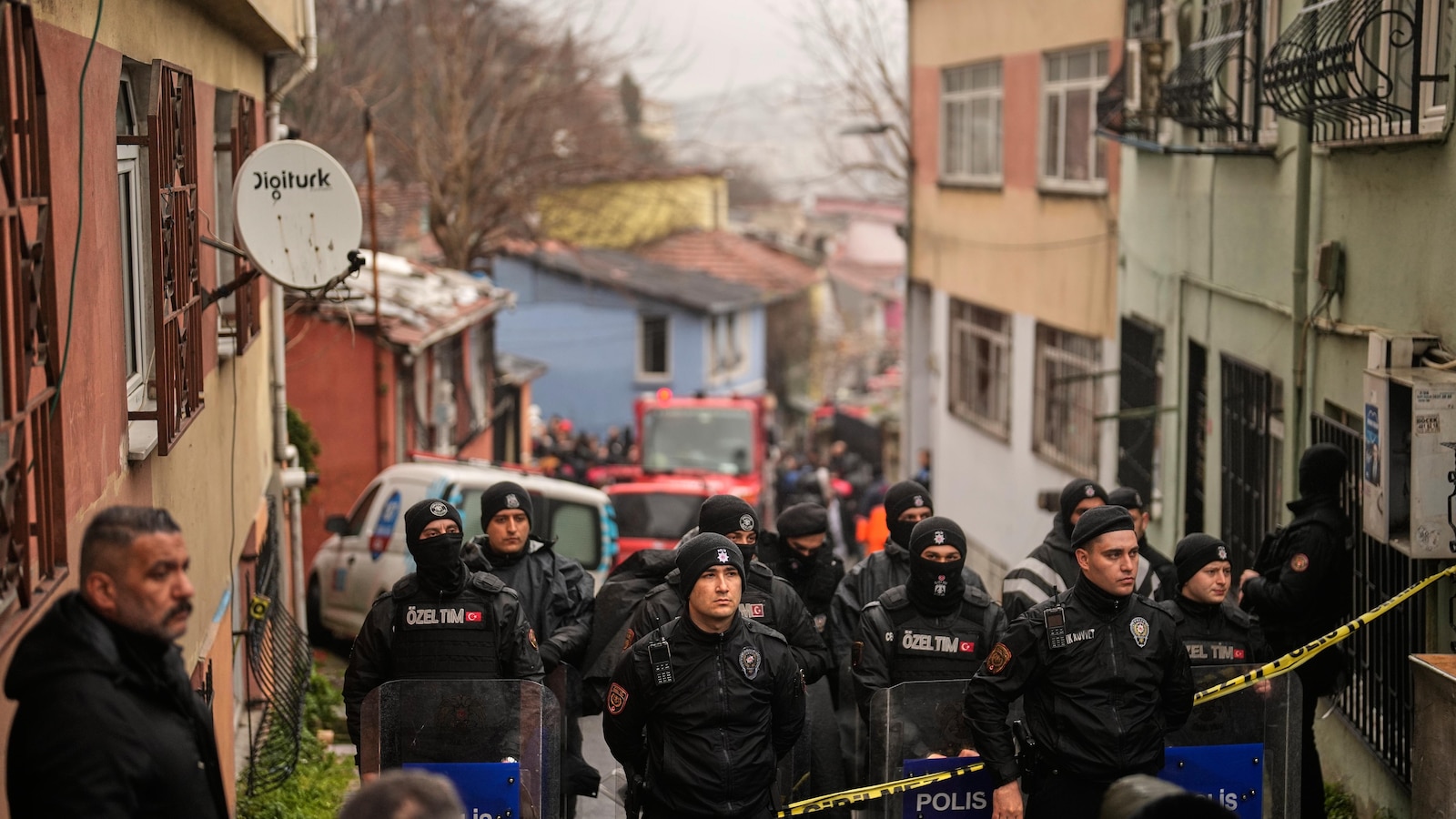
The vibrant streets of Istanbul’s Fatih district were shattered by the thunderous roar of a natural gas explosion on Sunday afternoon, transforming what should have been an ordinary midday into a scene of chaos and destruction. The powerful blast, which occurred around noon in one of the city’s most central and historically significant neighborhoods, brought two residential buildings crashing down in a matter of seconds. The explosion’s force sent shockwaves through the surrounding area, leaving residents stunned and emergency services scrambling to respond to what quickly became a desperate search and rescue operation. The Fatih district, known for its dense population and historic architecture, suddenly found itself at the center of a unfolding tragedy that would test the city’s emergency response capabilities and bring the community together in a moment of crisis.
Immediate Emergency Response and Rescue Efforts
Within minutes of the explosion, Istanbul’s well-trained search and rescue teams descended upon the disaster site with remarkable speed and coordination. These brave first responders, equipped with specialized equipment and years of experience in disaster management, immediately began the painstaking and dangerous work of combing through the massive piles of concrete, twisted metal, and debris that had once been people’s homes. The initial assessment revealed the grim reality that nine individuals had been trapped beneath the rubble when the buildings collapsed. The rescue teams worked with focused determination, carefully moving through the unstable wreckage while racing against time, knowing that every passing minute could mean the difference between life and death for those trapped below. The scene was one of controlled urgency, with firefighters, paramedics, and specialized rescue personnel working in carefully coordinated teams, using everything from heavy machinery to their bare hands to reach the victims trapped in the twisted remains of the two structures.
Official Updates and Recovery Progress
Istanbul Governor Davut Gul took personal charge of coordinating the emergency response and keeping the public informed about the ongoing situation. In his official statements from the scene, Governor Gul confirmed that rescue teams had successfully pulled seven people from the wreckage, all of whom were immediately transported to nearby hospitals for urgent medical treatment. The governor’s presence at the disaster site demonstrated the seriousness with which local authorities were treating the incident and provided reassurance to worried family members and residents gathered at the perimeter of the rescue zone. Shortly after the governor’s announcement, TRT, Turkey’s state-run television news channel, reported additional progress in the rescue efforts, confirming that an eighth survivor had been located, extracted from the debris, and rushed to hospital for medical care. This news brought renewed hope to those anxiously waiting for information about their loved ones. However, the mission remained incomplete, as rescue teams continued their determined efforts to locate and recover the ninth and final person known to be trapped somewhere within the collapsed buildings.
Condition of Survivors and Medical Response
In what can only be described as remarkably fortunate news given the severity of the building collapse, TRT reported that none of the survivors pulled from the rubble were in critical condition. This unexpected silver lining in an otherwise tragic event speaks volumes about both the resilience of the human body and perhaps the nature of how the buildings collapsed, potentially creating protective pockets within the debris that shielded victims from the worst of the destruction. The fact that eight people survived being buried under the collapsed structures and emerged without life-threatening injuries is nothing short of miraculous. Medical teams at the receiving hospitals were working around the clock to treat the survivors, assessing them for injuries that might include broken bones, crush injuries, cuts, bruises, and the psychological trauma that inevitably accompanies such a terrifying experience. The survivors were being carefully monitored and treated, with medical professionals ensuring that no hidden injuries or delayed complications would threaten their recovery. Meanwhile, family members and friends gathered at the hospitals, anxiously awaiting news and the opportunity to reunite with their loved ones who had narrowly escaped death.
The Buildings and Nature of the Collapse
The two buildings that fell victim to the natural gas explosion were relatively modest structures by modern standards, though their collapse was no less devastating for those inside. One of the destroyed buildings stood two stories tall, while the other was even smaller at just one story in height. The relatively low height of these structures may have contributed to the survival of those trapped inside, as the amount of debris and the force of the collapse would have been significantly less than if taller buildings had been involved. Natural gas explosions are particularly dangerous because they can occur with little warning and generate enormous force in confined spaces. When natural gas accumulates to certain concentrations and encounters an ignition source—whether a spark, flame, or even static electricity—the resulting explosion can be powerful enough to destroy the structural integrity of buildings in an instant. The Fatih district, like many historic areas in Istanbul, features a mix of old and new construction, and the investigation into what caused the gas to accumulate and eventually explode will be crucial for preventing similar tragedies in the future.
Community Impact and Path Forward
The explosion in Fatih has sent ripples of concern throughout Istanbul, a massive metropolis that is home to over 15 million people and serves as Turkey’s economic and cultural heart. Natural gas is widely used throughout the city for heating and cooking, making incidents like this one particularly unsettling for residents who rely on this utility in their daily lives. The disaster has raised important questions about infrastructure maintenance, gas line safety inspections, and building codes in older districts where aging utility systems may pose hidden dangers. In the aftermath of the explosion, authorities will undoubtedly conduct a thorough investigation to determine the exact cause—whether it was a leak in the gas lines, faulty equipment within the buildings, or some other factor. The community has rallied together in the wake of this tragedy, with neighbors helping neighbors and volunteers supporting the official rescue efforts however they can. As search and rescue operations continue for the final missing person, there remains hope that all nine individuals caught in the collapse will ultimately survive this harrowing ordeal. This incident serves as a sobering reminder of how quickly tragedy can strike and the vital importance of maintaining and monitoring the complex infrastructure systems that modern urban life depends upon. Moving forward, the lessons learned from this disaster will hopefully lead to enhanced safety measures that can prevent similar incidents and protect the residents of Istanbul and other major cities from the hidden dangers that can lurk within aging utility systems.