
U.S. Military Strikes in Pacific Waters: A Controversial War on Drug Trafficking
Rising Death Toll from Naval Operations
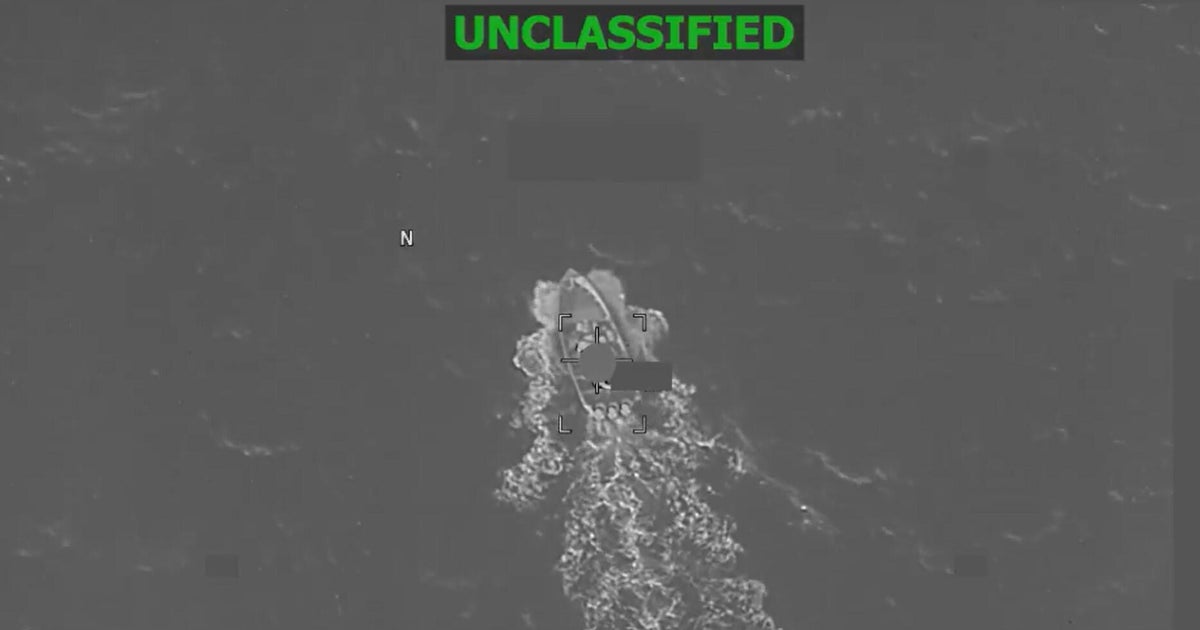
The United States military has intensified its operations against suspected drug trafficking vessels in the eastern Pacific Ocean, with the most recent strike on Wednesday claiming three more lives. According to the Pentagon and U.S. Southern Command, which coordinates American military activities throughout Latin America, this “lethal kinetic strike” targeted what they described as a vessel operated by designated terrorist organizations, resulting in the deaths of three individuals identified as “male narco-terrorists.” The military even released declassified video footage of the strike through social media channels, marking a notable shift toward public transparency in these operations.
This Wednesday incident represents just the latest in a series of aggressive maritime interdictions that have occurred over recent days. Just one day earlier on Tuesday, a similar military strike against another suspected drug-running boat in the same region resulted in four fatalities. On Monday, yet another strike killed two people. Over the previous weekend, two separate strikes on Saturday targeted two different vessels, leaving five people dead and one survivor struggling in the water. Tragically, the U.S. Coast Guard has now suspended its search efforts for that lone survivor, leaving their fate uncertain. When tallied together, these recent operations paint a troubling picture of escalating military force being applied to the drug interdiction mission, with Wednesday’s strike pushing the overall death toll to at least 178 people since these operations commenced in the eastern Pacific and Caribbean regions in early September.
The Administration’s Justification and Declared “Armed Conflict”
President Trump has been vocal in defending these military operations, going so far as to characterize the United States as being in a state of “armed conflict” with drug cartels operating throughout Latin America. From the administration’s perspective, these strikes represent a necessary and proportionate escalation in the decades-long war on drugs, which they argue has failed to adequately protect American citizens from the devastating impact of narcotics flowing across U.S. borders. The President has framed these military actions as essential measures to disrupt the supply chains that ultimately result in tens of thousands of fatal drug overdoses claiming American lives each year. In his view, traditional law enforcement approaches have proven insufficient to address what he characterizes as a national security emergency, necessitating direct military intervention against what the administration labels as “narcoterrorists” – individuals who allegedly combine drug trafficking operations with terrorist activities or affiliations.
However, despite the administration’s strong rhetoric and the dramatic nature of these military strikes, critics point out that officials have provided remarkably little concrete evidence to substantiate their claims about the individuals being killed in these operations. The classification of targets as “narcoterrorists” and members of “Designated Terrorist Organizations” has been made largely without public verification or detailed intelligence sharing that would allow independent assessment of whether those killed were indeed connected to terrorist groups or were simply fishermen, migrants, or low-level participants in drug trafficking operations. This lack of transparency has raised serious concerns among human rights organizations, legal scholars, and policy analysts who question whether proper procedures are being followed to verify targets before lethal force is authorized and deployed.
Broader Geopolitical Context and the Maduro Connection
These maritime strikes have unfolded against a backdrop of broader U.S. military and law enforcement operations in Latin America, most notably the dramatic raid in January that resulted in the capture of then-Venezuelan President Nicolás Maduro. That operation saw Maduro forcibly removed from power and transported to New York City, where he now faces serious drug trafficking charges in federal court. Maduro has entered a plea of not guilty to these charges, but his detention marks an extraordinary moment in U.S.-Latin American relations and represents perhaps the most significant direct intervention by the United States in the governance of a Latin American nation in decades. The timing of the increased naval strikes, which began months before Maduro’s capture, suggests a coordinated strategy by the Trump administration to apply maximum pressure on what it perceives as a nexus between corrupt Latin American governments, drug cartels, and terrorist organizations.
The Maduro operation and the naval strikes together signal a fundamental shift in how the United States is approaching the challenge of drug trafficking from Latin America. Rather than relying primarily on diplomatic pressure, foreign aid conditioned on counternarcotics cooperation, and support for local law enforcement agencies in partner countries, the administration has chosen to project American military power directly into the region. This approach reflects a belief that previous strategies have failed and that only direct military action can sufficiently disrupt the powerful criminal organizations that have shown remarkable resilience despite decades of counternarcotics efforts by both U.S. and Latin American authorities.
Legal and Ethical Questions Surrounding the Strikes
The legality of these military operations has become a subject of intense debate among international law experts, constitutional scholars, and human rights advocates. Critics have raised fundamental questions about whether the United States has the legal authority to conduct what amount to extrajudicial killings of individuals who have not been formally charged with crimes, tried in any court, or even definitively proven to be engaged in illegal activities at the time of the strikes. International maritime law, the laws of armed conflict, and U.S. domestic law all impose restrictions on when military force can be used, particularly against individuals who are not members of recognized military forces or participants in an active armed conflict as traditionally understood under international humanitarian law.
The administration’s characterization of the situation as an “armed conflict” with cartels is itself legally contentious, as this designation carries specific legal implications under both domestic and international law. Traditionally, armed conflicts are understood to occur between states or between a state and organized armed groups that control territory and have a command structure resembling a military organization. Whether drug cartels, despite their violence and sophistication, meet this threshold is disputed. Furthermore, even if one accepts the armed conflict framework, international humanitarian law still requires that targets be military objectives and that strikes distinguish between combatants and civilians, be proportionate, and take precautions to minimize civilian casualties. Without greater transparency about targeting procedures, damage assessments, and the identities of those killed, it remains impossible for outside observers to evaluate whether these legal requirements are being met.
Effectiveness Questions and the Fentanyl Reality
Beyond the legal concerns, policy analysts have raised serious questions about whether these naval strikes will actually achieve their stated objective of reducing drug-related deaths in the United States. The uncomfortable reality is that the fentanyl responsible for the overwhelming majority of contemporary fatal overdoses in America typically does not arrive via boat from South America. Instead, as experts in drug trafficking patterns have extensively documented, fentanyl is primarily trafficked into the United States overland from Mexico, where it is manufactured in clandestine laboratories using precursor chemicals imported from China and India. Mexican cartels have largely moved away from plant-based drugs like cocaine and heroin that must be cultivated in South American countries and instead have embraced synthetic drugs like fentanyl that can be produced anywhere with the right chemicals and equipment.
This means that interdicting boats carrying cocaine or other traditional drugs from South America, even if completely successful, would likely have minimal impact on the fentanyl crisis that is currently driving record numbers of overdose deaths in the United States. The supply chains are fundamentally different, and the naval strikes are targeting the wrong transportation routes if the goal is genuinely to reduce American overdose deaths. Critics argue that the administration’s focus on dramatic military operations in the Pacific may be more about political messaging and the appearance of tough action than about implementing evidence-based strategies that would actually address the public health crisis of addiction and overdose. More effective approaches might include increased efforts to interdict precursor chemicals, pressure on China and India to better regulate their chemical industries, disruption of fentanyl production facilities in Mexico, and expanded treatment and harm reduction services for Americans struggling with addiction. The disconnect between the administration’s chosen tactics and the actual nature of the current drug threat raises troubling questions about whether these strikes, whatever their legal status, represent sound policy that will genuinely protect American lives or whether they may ultimately prove to be costly, controversial, and ineffective military operations that generate international criticism without delivering meaningful results in the ongoing struggle against drug addiction and overdose deaths.