

White House Correspondents’ Dinner Shooting Case: Defendant Pleads Not Guilty Amid Legal Complications
The Not Guilty Plea
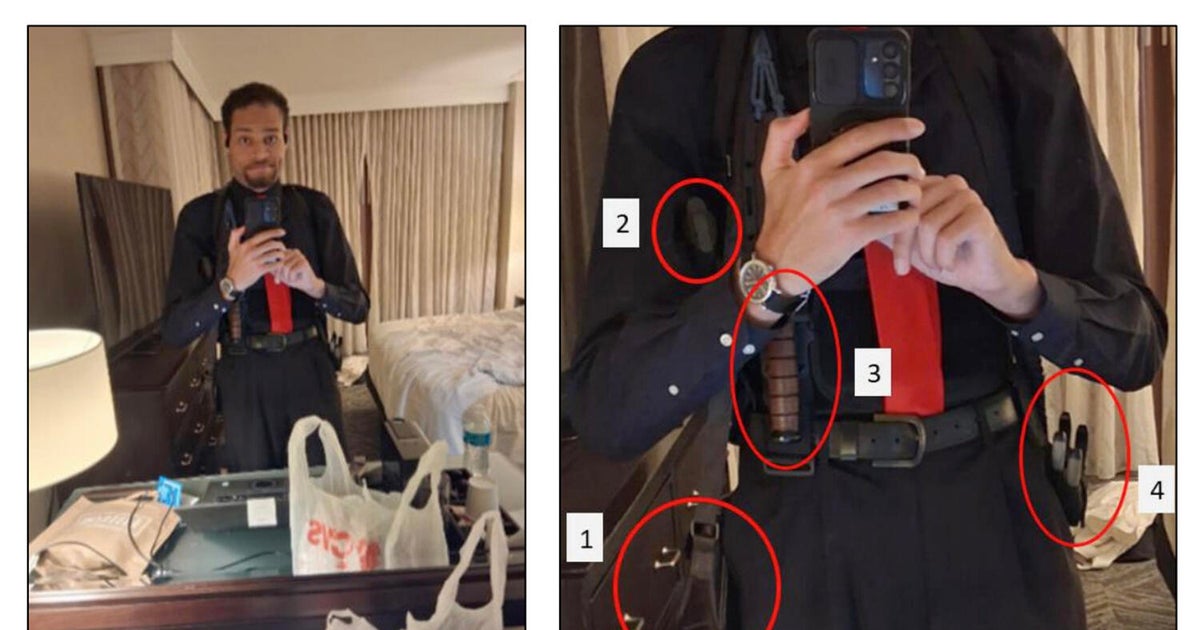
Cole Allen, the man accused of opening fire at the White House Correspondents’ Dinner, stood before a judge on Monday and entered a not guilty plea to all charges leveled against him. Appearing in court wearing an orange prison jumpsuit with shackles binding his wrists and ankles, Allen faced serious allegations through his legal representation. The charges paint a grim picture of the alleged incident: attempting to assassinate President Trump, assaulting a federal officer with a deadly weapon, and two separate firearms-related offenses. The courtroom scene marked a significant moment in what has become one of the most high-profile cases to emerge from an attack on such a prestigious gathering of political figures, journalists, and other prominent individuals. Allen’s decision to plead not guilty sets the stage for what promises to be a complex and closely watched legal battle.
Challenging the Prosecutors
In an unusual legal maneuver, Allen’s defense team has filed a motion seeking to disqualify the entire U.S. Attorney’s office in Washington, D.C., from prosecuting the case. This bold strategy centers on the argument that key prosecutors are not merely government attorneys but also potential victims and witnesses to the very crime they’re charged with prosecuting. The motion specifically targets Jeanine Pirro, the top prosecutor in the office and a longtime personal friend of President Trump, as well as Attorney General Todd Blanche. Allen’s attorneys argue that these officials cannot maintain the objectivity and impartiality required to fairly prosecute the case because of their direct involvement in the incident. This legal challenge raises fundamental questions about conflicts of interest in the justice system and whether prosecutors who experienced the traumatic event firsthand can separate their personal experiences from their professional duties in pursuing criminal charges.
The Pirro Factor
The defense’s motion places particular emphasis on Jeanine Pirro’s role and her public statements following the incident. Pirro, who has a well-documented friendship with President Trump spanning many years, was present in the ballroom when the alleged shooting occurred. In the days and weeks following the incident, she has given multiple media interviews discussing her experience, including a notable appearance on CNN where she described herself as being “in that combat zone.” Allen’s legal team argues that by publicly identifying herself as a victim of the attack, Pirro has compromised her ability to serve as an impartial prosecutor in the case. The defense contends that someone who has “referenced her status as a potential victim” in public forums cannot simultaneously direct the prosecution of the person accused of victimizing them. This situation creates an unprecedented ethical dilemma: can a prosecutor who personally experienced a traumatic crime maintain the professional distance necessary to ensure the defendant receives a fair trial?
Defense Arguments in Court
During Monday’s court proceedings, Eugene Ohm, the public defender representing Allen, elaborated on his team’s concerns about potential conflicts of interest. Ohm told the court that his legal team would “need a little bit more information” from the government regarding whether charges could potentially cite Pirro or Blanche as victims of Allen’s alleged actions. The defense’s position is straightforward but powerful: if Pirro and Blanche have publicly presented themselves as victims of the attack, then having them direct the prosecution creates an inherent conflict that violates basic principles of fairness in the justice system. Ohm argued forcefully that it would be “wholly inappropriate” for individuals who consider themselves victims to simultaneously oversee the prosecution of their alleged attacker. This argument taps into fundamental principles of American jurisprudence about the separation between victims and prosecutors, and whether the line between the two can become so blurred that it threatens the integrity of the legal process itself.
The Court’s Response and Timeline
The presiding judge acknowledged the significance of the defense’s motion and established a timeline for both sides to present their full arguments in writing. The Justice Department has been directed to file its response to the disqualification motion by June 22, giving government attorneys several weeks to craft their rebuttal to the defense’s conflict-of-interest claims. Following the Department’s filing, Allen’s legal team will then have five days to submit their response to whatever arguments the prosecution presents. This timeline suggests that the court is taking the defense’s concerns seriously and wants to ensure all parties have adequate opportunity to present their positions before making what could be a consequential ruling. If the judge grants the motion and disqualifies the D.C. U.S. Attorney’s office, the case would need to be reassigned to different prosecutors, potentially causing significant delays. Conversely, if the motion is denied, Allen’s attorneys may have grounds for appeal should he ultimately be convicted, arguing that their client was denied a fair trial due to prosecutorial conflicts of interest.
Broader Implications
This case raises questions that extend far beyond Cole Allen’s individual prosecution. The situation highlights the complex challenges that arise when high-ranking government officials find themselves personally affected by crimes they’re responsible for prosecuting. In most criminal cases, there’s a clear separation between victims and prosecutors—victims may provide testimony and input, but professional prosecutors who weren’t personally affected handle the legal strategy and courtroom arguments. But what happens when the prosecutors themselves were present during an alleged crime, especially one as traumatic and high-profile as an apparent assassination attempt? The resolution of Allen’s motion to disqualify could set important precedents for how the justice system handles similar situations in the future. Additionally, the case occurs against a backdrop of heightened political tensions and concerns about the fairness and impartiality of the justice system. Regardless of one’s views on Allen’s guilt or innocence, his defense team’s arguments touch on principles that most Americans hold dear: that every defendant deserves prosecutors who can approach their case with professional objectivity, free from personal stakes in the outcome. As the case proceeds through the courts in the coming weeks and months, legal experts and ordinary citizens alike will be watching closely to see how the justice system navigates these uncommonly challenging circumstances.