
American Forces Pay Ultimate Price in Military Operation Against Iran
Tragic Losses During Operation Epic Fury
The United States military has confirmed a heartbreaking development in the ongoing military conflict with Iran, announcing that three American service members have been killed and several others wounded during Operation Epic Fury, the large-scale joint military operation being conducted by U.S. and Israeli forces. U.S. Central Command (CENTCOM) delivered this sobering news on Sunday, revealing that in addition to the three fatalities, five service members suffered serious injuries requiring extensive medical care. The announcement sent shockwaves through military families and communities across America, serving as a stark reminder of the human cost of military action. Beyond those most critically affected, CENTCOM noted that several other personnel sustained what were classified as minor injuries, including shrapnel wounds and concussions from explosions. These individuals are currently undergoing medical evaluation and treatment, with military officials indicating they are expected to return to active duty once cleared by medical personnel. The military command emphasized that while these injuries are being classified as minor, the service members are receiving appropriate medical attention and monitoring.
Details Withheld Out of Respect for Grieving Families
In their official statement released through social media channels, CENTCOM made the difficult decision to withhold certain critical information about the casualties, including specific details about where exactly the fatal incidents occurred and the identities of the fallen service members. This decision, while potentially frustrating to those seeking information, reflects the military’s longstanding protocol of prioritizing the notification and privacy of families during their most difficult moments. Military officials explained that they are following established procedures that require a 24-hour waiting period after all next of kin have been personally notified before releasing the names of those who made the ultimate sacrifice. “Major combat operations continue and our response effort is ongoing. The situation is fluid, so out of respect for the families, we will withhold additional information, including the identities of our fallen warriors, until 24 hours after next of kin have been notified,” the statement explained. This approach ensures that family members learn of their loved ones’ deaths through proper military channels rather than through news reports or social media, allowing them some measure of dignity and privacy as they begin to process their devastating loss.
The Strike That Changed Everything
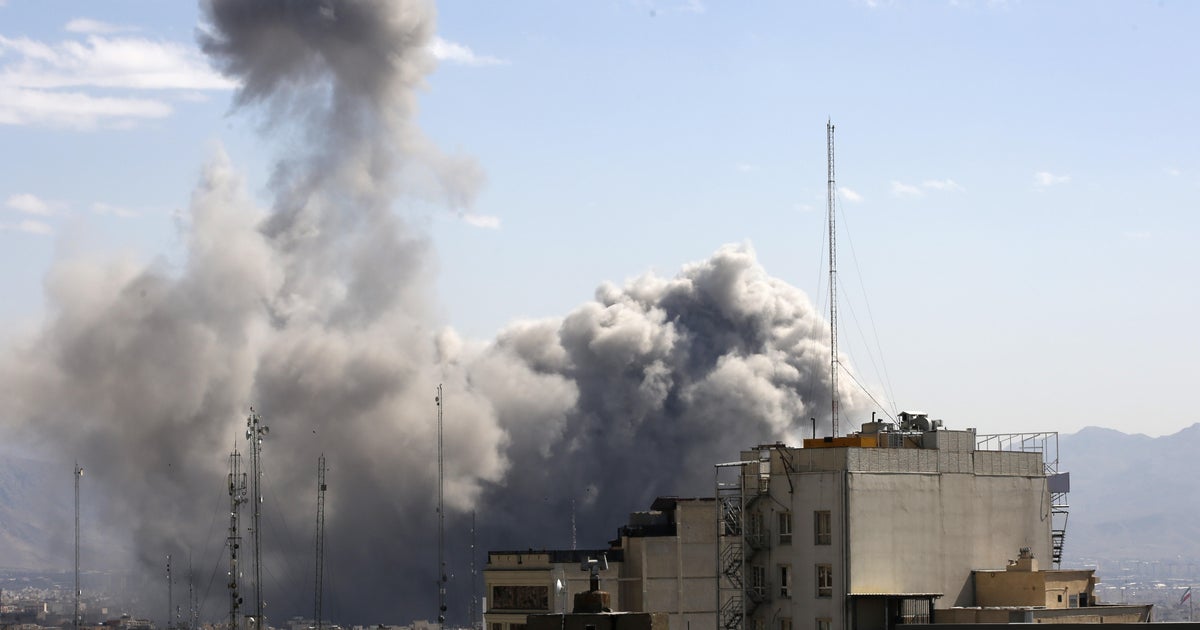
The casualties occurred within the context of Operation Epic Fury, a massive coordinated military strike that the United States and Israel launched early Saturday morning against multiple targets throughout Iran. The operation represented a significant escalation in tensions between the Western allies and the Islamic Republic, marking one of the most aggressive direct military actions taken against Iran in recent history. Among the operation’s most significant achievements was a strike on the compound of Iran’s Supreme Leader, Ayatollah Ali Khamenei, located in Tehran. The Israeli Defense Forces confirmed that Khamenei himself was killed in this attack, along with several other high-ranking Iranian officials and military commanders. The IDF specifically noted that an adviser to Khamenei was among those killed, though additional names were being withheld pending further intelligence confirmation. The death of Khamenei, who had led Iran since 1989 and wielded enormous political and religious authority in the country, represents a seismic shift in Middle Eastern geopolitics and Iranian governance, with implications that will likely reverberate throughout the region for years to come.
Iran’s Retaliatory Response
As expected, Iran did not accept these strikes without response. The Iranian military quickly organized and launched retaliatory missile strikes targeting both Israel and other nations in the Middle East that maintain close alliances with the United States. These counter-strikes demonstrated Iran’s remaining military capabilities despite the damage inflicted during Operation Epic Fury and showed the world that Tehran was prepared to fight back against what it undoubtedly views as an act of war. The retaliatory attacks succeeded in causing casualties among civilian populations, with Israeli emergency medical services reporting on Sunday that at least eight people were killed in a missile strike that hit Beit Shemesh, a city located near Jerusalem. This attack on a civilian area underscores the indiscriminate nature of the violence that can occur when major military powers engage in open conflict, with innocent men, women, and potentially children paying the price for decisions made by political and military leaders. The strikes on U.S.-allied nations beyond Israel suggest that Iran is adopting a broader regional strategy in its response, potentially drawing additional countries into a widening conflict that could destabilize the entire Middle East.
Presidential Acknowledgment of the Risks
President Trump addressed the American people through a video posted to social media on Saturday, before the casualties were officially confirmed but clearly anticipating that American lives might be lost in the operation. In his remarks, the President acknowledged the grave risks facing American service members participating in Operation Epic Fury, stating with sobering honesty that “the lives of courageous American heroes may be lost and we may have casualties, that often happens in war.” His words, while perhaps intended to prepare the nation for difficult news, took on added poignancy following CENTCOM’s announcement of the three deaths. The President sought to frame the military action within a larger strategic context, arguing that the operation was not about immediate tactical gains but rather about securing long-term strategic advantages and protecting future American interests. “We’re doing this, not for now, we’re doing this for the future, and it is a noble mission,” Trump explained, attempting to provide broader meaning to the sacrifices being made by American military personnel. He also emphasized that his administration had taken “every possible step to minimize the risk to U.S. personnel,” suggesting that extensive planning and precautionary measures had been implemented to protect American forces, even as he acknowledged that such protections could never completely eliminate the dangers inherent in military operations.
The Human Cost and the Path Forward
As Operation Epic Fury continues and the situation remains fluid, with major combat operations still ongoing according to CENTCOM, the American people are left to grapple with the very real human cost of this military action. Behind the strategic calculations, geopolitical considerations, and military objectives lie three American families who will never again see their loved ones come home, five service members fighting for recovery from serious injuries, and several others nursing wounds both visible and invisible. These casualties represent real people—sons and daughters, perhaps parents, spouses, brothers, and sisters—who put on the uniform and placed themselves in harm’s way in service to their country. The coming days will likely bring additional information as next of kin are notified and the military feels able to release more details about what transpired. Questions will undoubtedly arise about whether the strategic objectives being pursued justified the risks, whether adequate protections were in place, and what the long-term implications of this operation will be for American interests in the Middle East. As the nation honors these fallen service members and prays for the recovery of the wounded, the incident serves as a powerful reminder that military action, regardless of how technologically advanced or carefully planned, ultimately comes down to individual human beings placing their lives on the line, with some making the ultimate sacrifice in pursuit of objectives their leaders have deemed vital to national security.