


Justice After Three Decades: Arrest Made in 1994 Murder of American Student Amy Lopez
A Cold Case Breakthrough in Germany
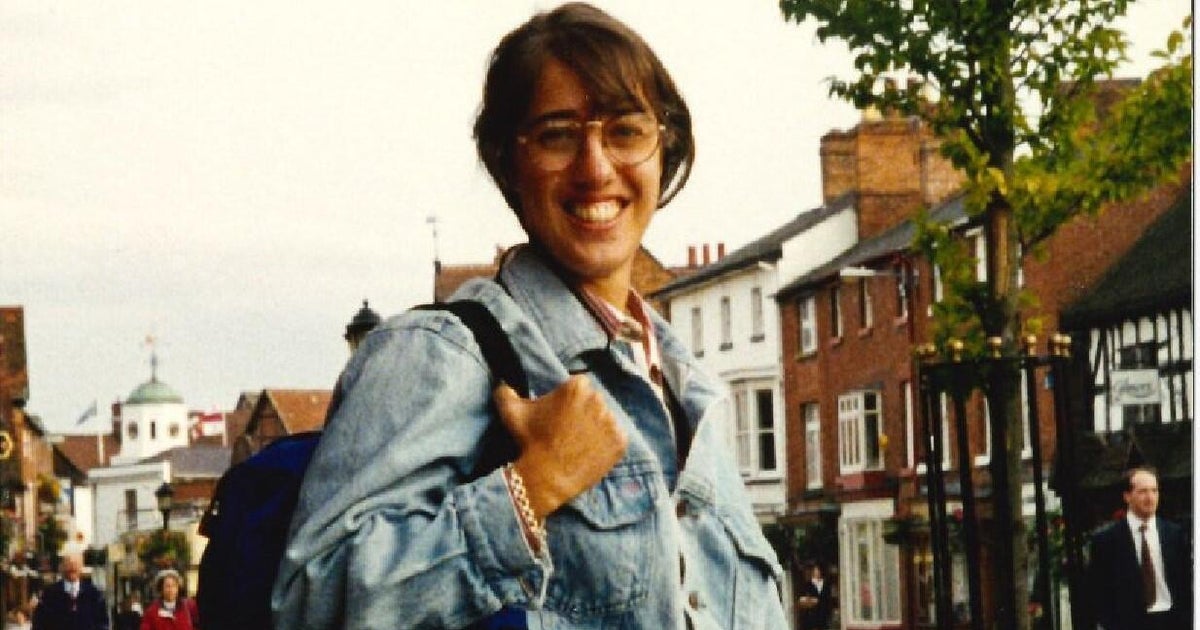
In a remarkable turn of events that demonstrates how persistence and modern technology can breathe new life into even the oldest investigations, German authorities announced Wednesday that they had arrested an 81-year-old man in connection with the brutal murder of an American tourist that occurred more than three decades ago. The arrest brings a glimmer of hope for closure in a case that has haunted investigators and a grieving family since 1994, when 24-year-old Amy Lopez, a student from Texas, was found dead near the historic Ehrenbreitstein Fortress in Koblenz, a picturesque city along the Rhine River in western Germany. The circumstances of her death were particularly horrific—her partially clothed body was discovered by children playing near the fortress, bearing evidence of a violent assault including severe head wounds, strangulation, and multiple stab wounds. For more than 30 years, this case remained frustratingly unsolved, a cold case file that represented not just an administrative challenge for law enforcement but a young life cut tragically short and a family left without answers or justice.
The Crime That Shook Koblenz
The details of what happened to Amy Lopez paint a picture of unimaginable violence. According to statements from the Koblenz Public Prosecutor’s Office, the young American student suffered multiple forms of attack during her final moments. She was strangled, struck repeatedly on the head with a stone, and stabbed multiple times—a combination of brutal actions that speaks to either rage, panic, or calculated cruelty on the part of her assailant. The location where her body was discovered, near the Ehrenbreitstein Fortress, is typically associated with tourism and history rather than violence. This fortress, which overlooks the confluence of the Rhine and Moselle rivers, is one of the largest preserved fortresses in Europe and a popular destination for visitors exploring the Rhine Valley. The contrast between the beauty and historical significance of the location and the horror of what transpired there made the crime all the more shocking to the local community. The fact that children were the ones to discover her body added another layer of tragedy to an already devastating situation. From the moment Lopez’s body was found, investigators worked to piece together what happened, but despite their efforts, the case grew cold as leads dried up and the trail went nowhere, leaving investigators frustrated and a family desperate for answers about what happened to their daughter so far from home.
Modern Technology Reopens Old Wounds—And Cases
The breakthrough in the Amy Lopez case came not from traditional detective work alone, but from the advancement of forensic technology that has revolutionized criminal investigations over the past few decades. Chief Public Prosecutor Manfred Mannweiler explained that DNA analysis methods have improved dramatically since the crime occurred in 1994, making possible today what would have been impossible or unreliable nearly three decades ago. This technological evolution prompted investigators to take a fresh look at the evidence, particularly Lopez’s clothing, which had been carefully preserved since the original investigation. The re-examination yielded results—investigators collected new evidence and subsequently analyzed approximately 1,600 samples in their search for a match. In 2024, exactly 30 years after Lopez’s body was discovered, police announced they had found a male DNA trace and offered a 2,500 euro reward for information that might lead to an arrest. The case also received renewed public attention when it was featured on “Aktenzeichen XY,” a popular German true crime television program similar to America’s “Unsolved Mysteries.” This publicity generated new tips from the public, demonstrating how media attention can sometimes shake loose crucial information that had been sitting dormant in someone’s memory for years. The combination of cutting-edge forensic science and old-fashioned public appeals created the perfect conditions for a breakthrough that had eluded investigators for more than three decades.
A Suspect With a Dark Past
The arrested suspect, now 81 years old and living in a retirement home, was not unknown to German law enforcement. In a disturbing revelation that raises questions about whether Lopez’s murder could have been prevented, Mannweiler disclosed that the man had been convicted in 1999—just five years after Lopez’s death—of attempting to rape a 16-year-old girl, also in Koblenz. For that crime, he was sentenced to seven years in prison, and his DNA was entered into the system at that time. However, in what now seems like a critical oversight, that genetic data was later deleted from the database. When investigators identified him as a potential suspect in the Lopez case based on the new forensic analysis, they had to obtain a fresh saliva sample from the elderly man. That new sample provided the evidence they needed—it matched a DNA trace found inside Lopez’s jeans, creating a direct forensic link between the suspect and the victim. This connection represents the kind of evidence that can be compelling in court, far more definitive than eyewitness testimony or circumstantial evidence. The fact that this man had already demonstrated violent sexual predation just years after Lopez’s murder adds weight to the case against him and suggests a pattern of dangerous behavior. Mannweiler expressed the relief felt by everyone involved in the investigation, noting that there had been “a nagging fear gnawing at everyone that the case might never be solved,” and that there was now hope that justice might finally be served for Amy Lopez and her family.
Bringing News to a Father Who Never Stopped Waiting
Perhaps one of the most poignant aspects of this development is that Amy Lopez’s father has lived for more than three decades without knowing who killed his daughter or why. On Monday, before the public announcement, authorities contacted him to inform him of the arrest—a phone call that must have been filled with complex emotions after so many years of waiting. For families of murder victims, especially those whose cases go unsolved for extended periods, the lack of closure can be its own form of ongoing trauma. Every birthday, every holiday, every milestone that the victim will never experience is shadowed by unanswered questions and the knowledge that someone got away with taking their loved one’s life. For Lopez’s father, this arrest doesn’t bring his daughter back, and it doesn’t erase 32 years of grief and uncertainty, but it does offer something that had seemed increasingly unlikely with each passing year: the possibility of justice and answers. The arrest sends a powerful message to other families in similar situations—that their loved ones have not been forgotten, that investigators continue to work on their behalf, and that advances in technology may yet provide the breakthrough they’ve been desperately hoping for. It also represents a form of accountability, a statement that no matter how much time passes, society will continue to seek justice for victims of violent crime.
A Promise That No Case Is Ever Truly Closed
Chief Public Prosecutor Mannweiler used the announcement of this arrest to send a clear message to both the public and to anyone who might think they’ve gotten away with serious crimes: “This case should make it clear to everyone that law enforcement authorities do not rest as long as a serious crime remains unsolved. Such cases are not forgotten. Not even after 32 years.” These words reflect not just institutional determination but a moral commitment to victims and their families. Senior detective Friederike Manheller-Sander of Koblenz police, whose cold case unit took up the Lopez investigation last August, emphasized the human element behind the work, stating that “behind every case there is a person whose life was taken too soon,” and that investigators are committed to “do everything possible to find answers.” The suspect is currently being held in pretrial detention at a correctional facility in Rhineland-Palatinate on suspicion of premeditated murder, and he will face the German justice system for a crime committed when he was in his late 40s. The case of Amy Lopez demonstrates how the intersection of persistent detective work, advancing forensic technology, and dedicated cold case units can bring resolution to cases that once seemed hopeless. For Amy Lopez, a young woman who traveled to Germany seeking education and cultural experience only to meet a violent end, this arrest represents a step toward the justice that has been delayed but perhaps not ultimately denied. Her story reminds us that victims of unsolved crimes deserve our continued attention and effort, no matter how much time has passed.