
Tragedy in Mexico: Missing Canadian Mine Workers Found Dead in Clandestine Graves
The Devastating Discovery
The nightmare that families had been dreading became a heartbreaking reality this week when Mexican authorities confirmed that five of the ten workers who vanished from a Canadian-owned mine in Sinaloa state were among ten bodies discovered in hidden graves. The grim find came after an intensive two-week search that captivated international attention and highlighted the dangerous conditions faced by workers in Mexico’s violence-plagued regions. Vancouver-based Vizsla Silver Corp., which operates the mine in the northwestern state, received the devastating news from multiple families who learned that their loved ones—colleagues who had been forcibly taken from the company’s project site in Concordia—would not be coming home alive. As the Attorney General’s Office works to identify the remaining bodies, families are left grappling with unimaginable grief while still clinging to hope that the other missing workers might somehow be found alive. The company’s President and CEO, Michael Konnert, expressed the organization’s devastation, stating their focus remains on recovering those still missing and supporting the affected families during this incredibly difficult time, though neither the company nor Mexican authorities have offered any explanation for what could have motivated such a brutal attack on civilian workers.
A Brother’s Unbearable Pain
Among the families torn apart by this tragedy is that of José Manuel Castañeda Hernández, a 43-year-old husband and father of two, whose body was identified by his brother Jaime through photographs shown by local officials in Mazatlán. The identification process itself was a traumatic experience that no family member should have to endure—viewing images of a loved one’s remains rather than being able to hold their hand one last time. In a phone interview with CBC News, Jaime Castañeda spoke with raw emotion about the ordeal, describing the pain of being in a place where no one wants to be, witnessing the suffering of families who sent their relatives to work one morning and will never see them return home. His words, “There’s no justice with what’s happening,” captured the frustration and helplessness felt by countless Mexican families who have lost loved ones to the country’s epidemic of violence. José Manuel was just trying to make a living, to provide for his wife and children, working at what should have been a legitimate, protected worksite. Instead, he became another statistic in Mexico’s crisis of disappearances, his life cut short for reasons that remain unclear, leaving behind a family that will forever carry the weight of this senseless loss.
The Search That Led to Horror
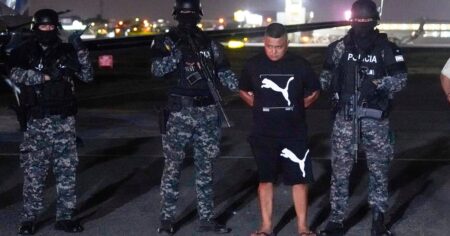
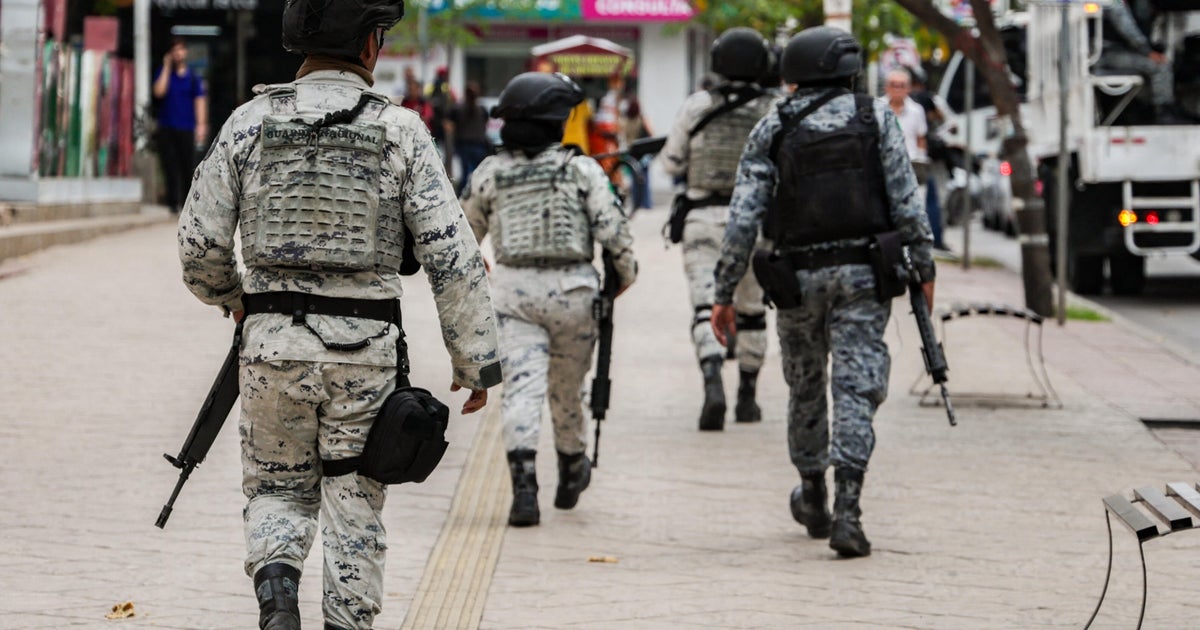
The bodies were discovered on Friday in an area that had been the focus of an intensive search operation involving Mexican authorities, the mining company’s crisis management teams, and security response specialists. Four individuals believed to be connected to the workers’ disappearances have been arrested, and Mexican President Claudia Sheinbaum revealed on Monday that these suspects had led authorities to where the bodies were hidden. The investigation is ongoing, with officials working to piece together exactly what happened on January 28th when ten people were abducted from Vizsla’s facilities in what should have been a secure work environment. The federal government responded to the crisis by deploying additional troops to the state and launching a comprehensive operation to locate the missing workers, though tragically their efforts resulted in finding graves rather than living victims. Governor Ruben Rocha confirmed that multiple clandestine burial sites were discovered during the search, and authorities continue to comb through the area, both to identify the remaining bodies and to search for other victims. The discovery also came as the region deals with another kidnapping incident—a group of Mexican tourists from Mazatlán were abducted last week, with a woman and child found alive but four people still missing, illustrating that this is not an isolated incident but part of a broader pattern of violence that has gripped the region.
The Cartel War Consuming Sinaloa
The mountainous region where the mine operates has become a battleground for a brutal turf war that has raged for over a year between two rival factions of the notorious Sinaloa cartel, one of Mexico’s most powerful criminal organizations. This ongoing conflict has transformed once-peaceful communities into dangerous territories where civilians are caught in the crossfire of disputes they have no part in. Mining operations have increasingly become targets for organized crime groups in Mexico, as cartels recognize opportunities to extort money from companies or even seize and sell valuable ore themselves, turning legitimate businesses into involuntary partners in their criminal enterprises. The workers who were taken were simply doing their jobs, but they found themselves in the wrong place at the wrong time, caught between criminal factions fighting for control of territory and revenue streams. The violence in Sinaloa reflects a broader crisis throughout Mexico, where more than 7,000 people are currently missing in this state alone, part of a staggering national total exceeding 132,000 missing persons according to federal data. These aren’t just numbers—each one represents a person with a family, friends, dreams, and a future that was stolen from them. The crisis has been building for years as cartels have grown more brazen and violent, increasingly targeting not just rival criminals but ordinary citizens, business owners, and workers who have no connection to the drug trade.
Government Response and International Pressure
The tragedy comes at a particularly sensitive time for U.S.-Mexico relations, as President Claudia Sheinbaum has been attempting to demonstrate that Mexican authorities can effectively combat the cartels without foreign intervention. Just last month, she claimed that efforts to crack down on Mexican drug trafficking organizations were showing “compelling results,” a statement clearly aimed at addressing concerns raised by the Trump administration about the Mexican government’s ability to control the security situation within its borders. President Trump has not been shy about threatening direct U.S. military action against Mexican cartels, telling Fox News that after successfully interdicting 97% of drugs coming in by water, the United States was preparing to “start now hitting land, with regard to the cartels.” This kind of rhetoric puts enormous pressure on Mexican officials to show they can handle the security challenges themselves, as allowing foreign military forces to operate on Mexican soil would be politically devastating for any Mexican leader. However, incidents like the mining company massacre make it increasingly difficult to argue that the situation is under control. The federal government’s decision to increase troop deployments to Sinaloa demonstrates recognition of the severity of the problem, but troops on the ground can only do so much when criminal organizations have deeply embedded themselves in local communities and economies. The challenge for Mexican authorities is not just arresting individual criminals—it’s dismantling entire networks that have corrupted local institutions, intimidated witnesses, and created environments where violence has become normalized.
The Human Cost and Uncertain Future
As families prepare to bury their loved ones and the search continues for the remaining missing workers, the broader question looms: how can mining companies and other businesses operate safely in regions controlled by violent criminal organizations? Vizsla Silver Corp. and other international companies operating in Mexico face an impossible dilemma—these regions often contain valuable natural resources that make mining economically viable, but the security risks to workers are becoming increasingly unacceptable. No amount of profit justifies sending workers into situations where they might be kidnapped and killed, yet pulling out of these regions entirely would devastate local economies that depend on the employment and investment these companies provide. The families left behind face their own uncertain futures—many have lost primary breadwinners, and in Mexico’s weak social safety net system, the financial implications of losing a family member can be just as devastating as the emotional toll. Jaime Castañeda’s description of watching families suffer captures the ripple effects of this violence—it’s not just ten individuals who were killed, but ten families whose lives have been forever altered, children who will grow up without fathers, spouses who must somehow find a way forward alone. The lack of justice he described reflects a broader crisis of impunity in Mexico, where the vast majority of crimes go unsolved and unpunished, creating a culture where criminals feel they can act with virtual immunity. Until Mexican authorities can break this cycle—not just by arresting suspects but by successfully prosecuting them, protecting witnesses, and dismantling the corruption that allows cartels to operate—tragedies like this will continue to occur. The mining company massacre should serve as a wake-up call that the current approach is failing, and that protecting innocent lives must become the absolute priority, regardless of the political or economic costs involved in making the fundamental changes necessary to restore security and justice to communities terrorized by organized crime.