


Tragedy in the Mediterranean: Another Deadly Shipwreck Claims Dozens of Lives
A Devastating Loss Off Libya’s Coast
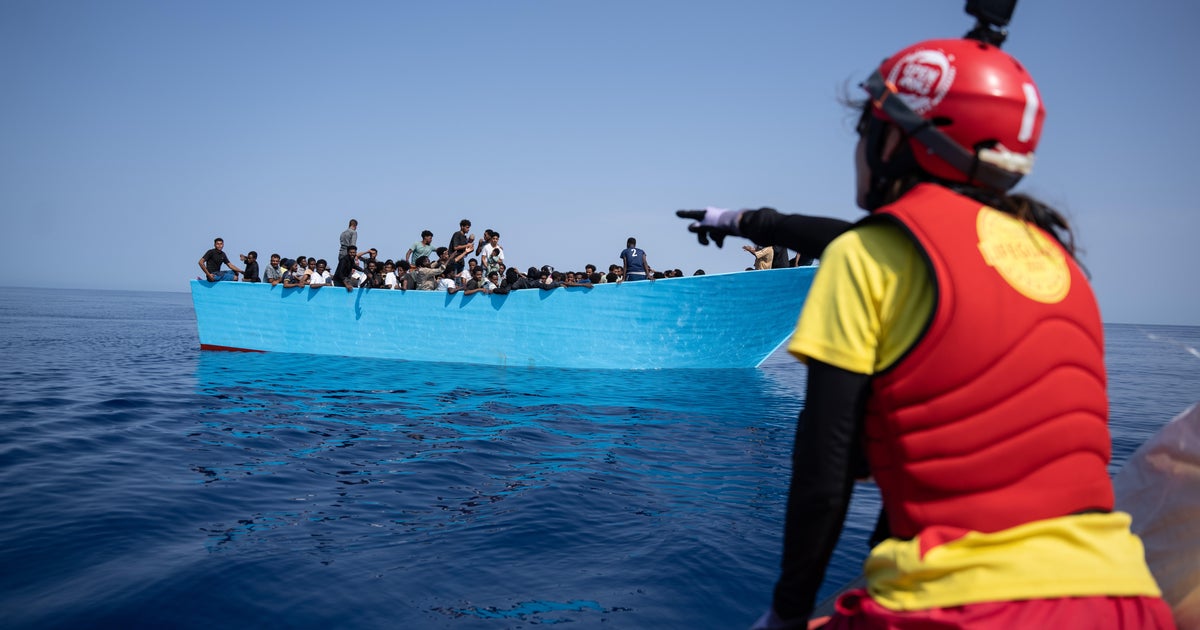
The waters of the Mediterranean Sea have once again become the site of unspeakable tragedy. This past weekend, a boat carrying hopeful migrants capsized off the Libyan coast, leaving 53 people dead or missing in the cold, dark waters. According to the International Organization for Migration (IOM), only two women survived this heartbreaking disaster. The boat went down on Friday near Zuwara, a coastal city in northwestern Libya, roughly 180 miles from the Italian island of Lampedusa—a destination that represents hope and a new beginning for countless African migrants fleeing hardship and seeking better opportunities in Europe. The survivors, both Nigerian women, were pulled from the water during a search-and-rescue operation conducted by Libyan authorities. Their stories are particularly gut-wrenching: one woman lost her husband in the disaster, while the other lost both of her babies. These personal tragedies represent just a fraction of the human cost of migration along one of the world’s most dangerous routes.
The Journey That Ended in Disaster
According to the accounts provided by the two survivors, the doomed vessel departed from Al-Zawiya, Libya, at approximately 11:00 p.m. on February 5th. The passengers aboard were migrants and refugees from various African nations, all sharing the common dream of reaching European shores and the promise of safety and opportunity they believed awaited them there. For about six hours, the boat made its way across the dark Mediterranean waters. Then, disaster struck. The vessel began taking on water and eventually capsized, plunging its passengers into the sea. The IOM teams provided emergency medical care to the two rescued women upon their arrival back on land, though no amount of medical attention could heal the emotional wounds of losing loved ones in such a traumatic way. The migration agency mourned this latest loss of life, describing it as “yet another deadly incident along the Central Mediterranean route”—a phrase that unfortunately has become all too familiar in recent years as these tragedies continue to unfold with alarming regularity.
The Dangerous Reality of Mediterranean Migration
The Central Mediterranean route has earned a grim reputation as one of the deadliest migration pathways in the world. The statistics paint a sobering picture of the dangers faced by those who attempt the crossing. In January 2025 alone, at least 375 migrants were reported dead or missing following shipwrecks in the Central Mediterranean. The IOM believes that hundreds more deaths likely went unrecorded during that same period, suggesting the true toll is even higher than official numbers indicate. Throughout 2025, over 1,300 migrants went missing in these waters, and as of this Monday, the total for the current year has already reached at least 484 people dead or missing. These aren’t just numbers—each represents a person with dreams, families, stories, and reasons for risking everything on a dangerous sea crossing. The repeated nature of these incidents highlights what the U.N. agency describes as “persistent and deadly risks faced by migrants and refugees attempting the dangerous crossing” from Africa to Europe.
Exploitation by Smuggling Networks
Behind these tragedies lies a darker story of exploitation and profit. The IOM has pointed to trafficking and smuggling networks that are taking advantage of desperate migrants along the route from North Africa to Southern Europe. These criminal organizations are making substantial profits by packing people onto unseaworthy vessels that are never meant to safely complete the journey across the Mediterranean. The boats used are often overcrowded, poorly maintained, and completely inadequate for open-sea travel. The smugglers and traffickers don’t just put lives at risk through dangerous crossings—they also subject migrants to what the IOM describes as “severe abuse” throughout the journey. These vulnerable people, already fleeing difficult circumstances in their home countries, become victims of exploitation by those who promise them safe passage but deliver only danger and, too often, death. The business model is as simple as it is cruel: collect payment from desperate people, pack them onto boats that may not survive the journey, and disappear with the money regardless of whether the passengers reach their destination alive.
The Call for International Action
In response to this ongoing humanitarian crisis, the International Organization for Migration has issued a clear call to action for the international community. The agency is urging stronger cooperation among nations to tackle the trafficking and smuggling networks that profit from human desperation. However, the IOM recognizes that enforcement action alone won’t solve the problem. Alongside efforts to dismantle these criminal operations, the agency is calling for the establishment of safe and regular migration pathways that would reduce the risks migrants face and ultimately save lives. This approach acknowledges a fundamental reality: people will continue to migrate, whether legal pathways exist or not. The question facing the international community is whether migration will occur through safe, regulated channels or continue along dangerous routes controlled by criminal networks. By creating legitimate options for migration, countries could potentially reduce the demand for smuggling services while also ensuring that those who do migrate can do so without risking their lives. This represents a more humane and practical approach to migration management than simply trying to prevent all movement or leaving people with no option but to trust their lives to smugglers.
A Continuing Humanitarian Crisis
The capsizing near Zuwara is not an isolated incident but part of a long-running humanitarian crisis that shows no signs of abating. Year after year, the Mediterranean claims hundreds of lives, yet the flow of migrants attempting the crossing continues. This persistence speaks to the desperate circumstances that drive people to undertake such dangerous journeys in the first place. Whether fleeing conflict, persecution, poverty, or environmental disasters, these migrants see the risk of the sea crossing as preferable to remaining where they are. For the two Nigerian women who survived this latest tragedy, the road ahead will be difficult. They must somehow process the trauma of the capsizing, the loss of their loved ones, and the uncertainty of their current situation. Their stories serve as a reminder that behind every statistic about Mediterranean migration is a human being with connections, relationships, and people who love them. As the international community continues to debate migration policy and border security, these tragedies persist, claiming lives and destroying families. The question remains: how many more boats must capsize, how many more people must drown, before meaningful action is taken to address both the root causes of migration and the immediate dangers of the current system? Until that question is answered with concrete action, the Mediterranean will likely continue to serve as a watery grave for those seeking nothing more than safety and opportunity.