



Ancient Grape Seed Links Modern Wine to Medieval France
A 600-Year-Old Discovery Connects Past and Present
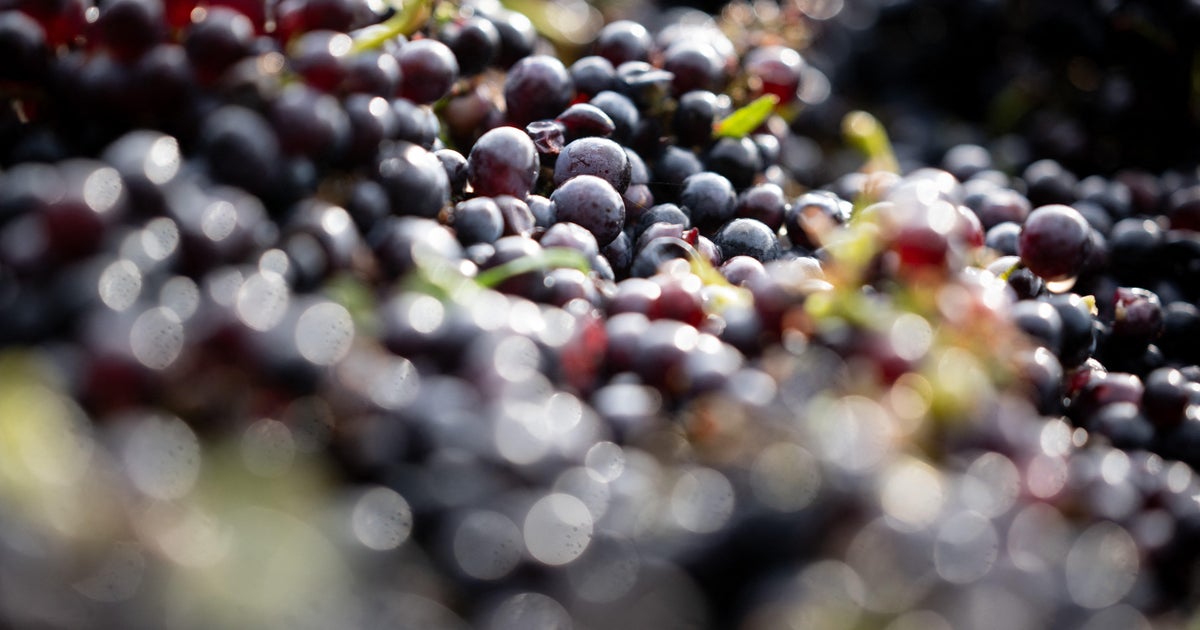
In a fascinating glimpse into history, scientists have announced the discovery of a 600-year-old grape seed that creates a direct genetic link between medieval France and the pinot noir wine we enjoy today. Found in an unexpected location—the toilet of a 15th-century hospital in Valenciennes, northern France—this tiny seed has opened a window into the wine-making traditions that have shaped French culture for centuries. The research team, publishing their findings in Nature Communications, revealed that this ancient seed is genetically identical to the grapes currently used in producing pinot noir, one of the world’s most beloved wine varieties. This remarkable find demonstrates that French viticulture has maintained genetic continuity for at least six centuries, preserving the exact same grape varieties that medieval people encountered in their daily lives. While scientists cannot definitively say whether these grapes were eaten fresh or fermented into wine during the 1400s, the discovery provides tangible evidence of France’s long-standing relationship with grape cultivation and potentially wine production, dating back to a time when the country was just emerging from the Hundred Years’ War with England.
Joan of Arc’s Table Grapes: A Personal Connection to History
The historical context surrounding this discovery adds a human dimension that brings the medieval period vividly to life. Ludovic Orlando, a paleogeneticist at the University of Toulouse and co-author of the study, noted that the grape seed dates to the same era as Joan of Arc, France’s legendary patron saint who lived in the early 15th century. This temporal overlap means that the famous warrior could have literally eaten the same variety of grapes that we consume today—a personal connection across six centuries that makes history feel remarkably immediate. The seed’s location in a hospital toilet initially might seem odd, but researchers explained that during medieval times, toilets were commonly used as disposal sites for various forms of rubbish, making them unintentional time capsules for archaeologists. The mid-1400s was a transformative period for France, marking the end of the devastating Hundred Years’ War and the beginning of a new chapter in the nation’s development. Finding evidence that wine culture—a cornerstone of French identity—was already flourishing during this tumultuous period provides insight into the daily lives of ordinary people who lived through these historic events, reminding us that even during times of war and upheaval, people continued their agricultural traditions and enjoyed the fruits of their labor.
Unlocking Ancient Secrets Through Modern Science
The groundbreaking research extended far beyond a single seed, encompassing an ambitious genetic analysis of 54 grape seeds spanning an incredible timeline from the Bronze Age (approximately 2,300 BC) through the Middle Ages. This comprehensive approach allowed scientists to trace the evolution of viticulture practices across thousands of years of French history. One of the most significant findings was confirmation that ancient winegrowers had been using sophisticated cultivation techniques known today as “clonal propagation”—the practice of preserving cuttings from specific grape varieties to maintain their characteristics across generations. Laurent Bouby, study co-author from the Institute of Evolutionary Science of Montpellier, explained that while ancient written texts had hinted at these practices, it was extremely difficult to verify them without the powerful tools of paleogenomics—the study of ancient DNA. The research revealed that these advanced techniques were being employed in various regions as far back as the Iron Age, around 625-500 BC, suggesting that ancient Mediterranean civilizations had developed a sophisticated understanding of plant genetics and cultivation methods long before modern science explained the underlying principles. This knowledge was clearly valuable enough to be passed down through countless generations, preserved through oral tradition and practical demonstration even when written records were scarce or non-existent.
From Wild Vines to Cultivated Vineyards: The Greek Connection
The genetic analysis of grape seeds provided a timeline of viticulture development in France that aligned remarkably well with historical records and archaeological evidence. The oldest samples analyzed in the study came from wild grape vines in the Nimes region of France, dating back to approximately 2,000 BC, showing that wild grapes were available to ancient inhabitants long before deliberate cultivation began. The transition from wild to domesticated vines appeared in the archaeological record between 625 and 500 BC in France’s southern Var region, perfectly coinciding with the period when Greek colonizers established the city of Marseille and are believed to have introduced systematic viticulture to the region. While historians had long suspected that the Greeks brought wine-making knowledge to France, the DNA evidence from grape seeds provided concrete biological proof of this cultural exchange. Orlando noted that the presence of wine in ancient trade had been established through the discovery of amphora—specialized clay vessels used for transporting wine—but the grape seed DNA revealed something even more interesting: evidence of extensive long-distance trade networks involving domesticated grape varieties from Spain, the Balkans, the Caucasus, and the Middle East, particularly during the Roman period. This genetic mixing created a rich tapestry of grape varieties, and interestingly, the research also showed significant interbreeding between cultivated grape varieties and local wild vines, especially in northern France during Roman times, suggesting that viticulture was not simply imposed by colonizers but adapted and integrated with local plant populations.
Pinot Noir’s Global Journey and French Heritage
The pinot noir grape variety, which occupies center stage in this research, represents more than just an agricultural product—it embodies centuries of French cultural identity and expertise. Often associated with the prestigious Burgundy region, pinot noir has become the fourth most widely cultivated grape variety in the world, a testament to its quality and the influence of French wine-making traditions on global viticulture. The study’s authors emphasized that France remains one of the world’s premier wine-producing nations, with viticulture forming an essential part of its cultural heritage and serving as a cornerstone of its rural economy. The wine industry’s importance to France cannot be overstated—it contributes tens of billions of dollars to the national economy annually and supports hundreds of thousands of jobs across the country, making it not just a beverage industry but a vital economic sector. The country’s wine production is its second-largest export industry, sending French wines to appreciative consumers around the globe. However, this ancient heritage faces modern challenges that threaten its future sustainability. Looking ahead, Orlando suggested that future research could benefit from closer collaboration with historians who have access to texts describing specific wine-growing techniques, potentially revealing even more about how ancient methods evolved into modern practices and how knowledge was transmitted across generations through apprenticeship and family traditions.
Modern Threats to an Ancient Tradition
While the discovery of the 600-year-old grape seed celebrates the remarkable continuity of French viticulture, the reality facing today’s wine industry presents serious concerns for the future of this ancient tradition. In recent years, France has experienced increasingly severe climate challenges, including higher average temperatures and extreme weather events that have significantly damaged wine production. These environmental pressures came to a head in 2021, when France recorded its smallest wine harvest since 1957—a devastating blow that resulted in losses exceeding $2 billion in sales for an industry that represents the country’s second-largest export sector. The irony is striking: grape varieties that have survived largely unchanged for six centuries, maintained through careful cultivation and selection by countless generations of winegrowers, now face an uncertain future due to rapid climate change occurring within a single human lifetime. The same genetic stability that allowed pinot noir and other varieties to thrive for hundreds of years may now become a vulnerability if climate conditions shift faster than traditional varieties can adapt. This situation highlights the importance of the type of research being conducted by Orlando, Bouby, and their colleagues—understanding the genetic history of grape varieties and how they adapted to past environmental changes may provide crucial insights for developing strategies to preserve viticulture in the face of contemporary climate challenges. The story of the medieval grape seed thus becomes not just a fascinating look backward into history, but also a reminder of what stands to be lost if we cannot find ways to protect agricultural traditions that have enriched human culture for millennia, connecting us to our ancestors through something as simple and profound as the taste of wine.