


The Complicated Legacy of the Etan Patz Case: A Decades-Long Mystery
The Death of a Long-Suspected Figure
The decades-old mystery surrounding the disappearance of six-year-old Etan Patz took another somber turn this month with the death of Jose Antonio Ramos, a man who remained under suspicion for nearly half a century in connection with the case. Ramos died on March 7 at Manhattan’s Bellevue Hospital at the age of 82, according to court documents filed by prosecutors. His death came as another man, Pedro Hernandez, awaits a third trial for the haunting 1979 disappearance that transformed how America approaches missing children cases. Despite being investigated for decades and facing intense scrutiny from law enforcement, the media, and the victim’s family, Ramos was never criminally charged in connection with Etan’s vanishing. His death closes a complicated chapter in one of the nation’s most infamous cold cases, though it leaves many questions forever unanswered. The case of Etan Patz became a watershed moment in American history, making missing children a national cause and leading to innovations like pictures on milk cartons and the establishment of National Missing Children’s Day. As Ramos passed away from cancer, the tragic saga that defined much of his adult life—and destroyed a family’s peace—continues without resolution.
A Child’s Disappearance That Changed a Nation
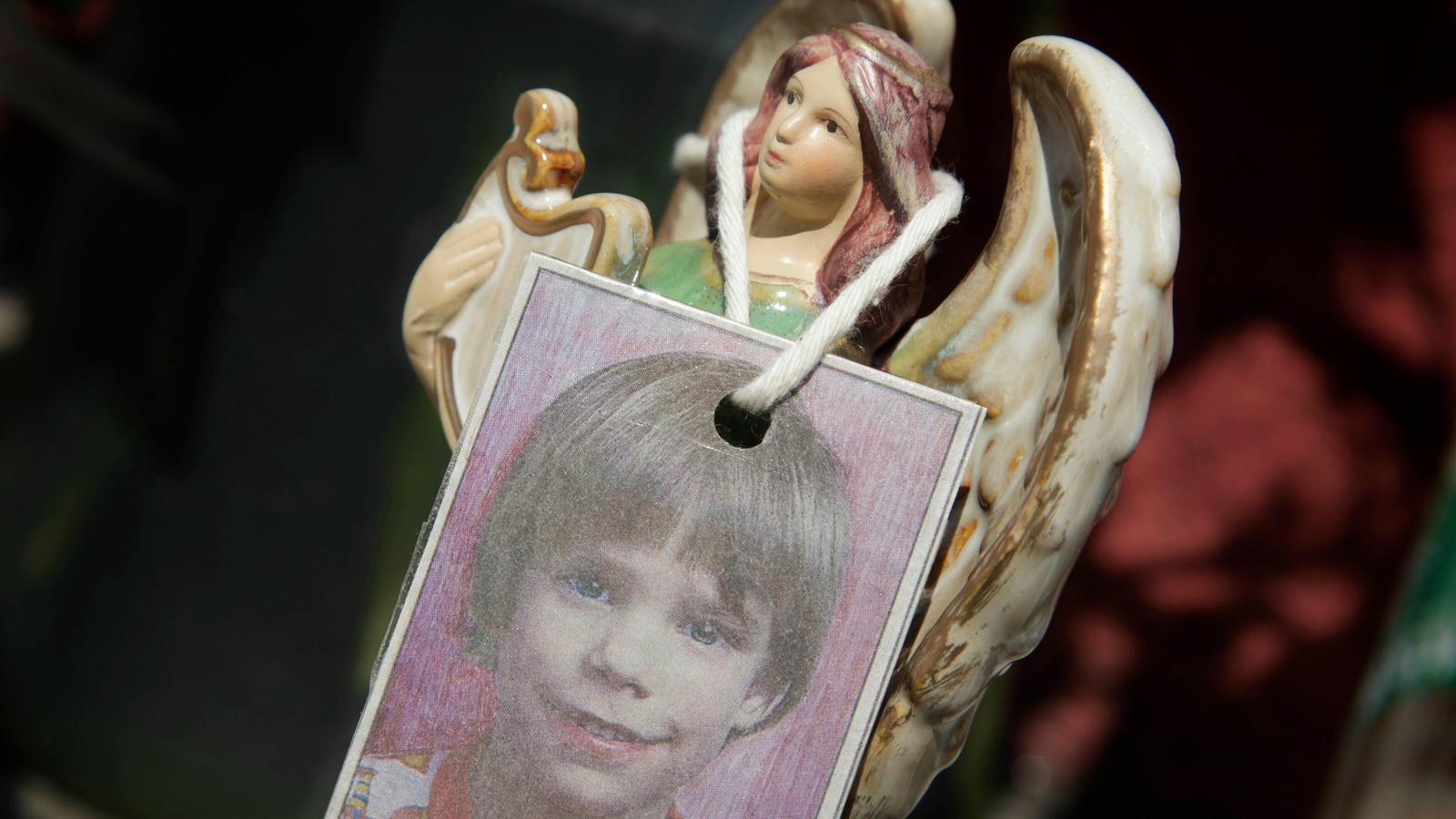
On May 25, 1979, Etan Patz embarked on what should have been a simple childhood milestone: his first solo walk to the bus stop. The first-grader left his family’s apartment in downtown Manhattan, proudly making the two-block journey by himself for the first time. He never arrived at school, and he was never seen again. That spring morning marked the beginning of a mystery that would haunt his parents, perplex investigators, and eventually reshape how America protects its children. Etan became one of the first missing children whose face appeared on milk cartons across the country, a practice that would become widespread in the 1980s as the nation grappled with the reality of child abductions. The anniversary of his disappearance was designated as National Missing Children’s Day, ensuring that his story would serve as a reminder of the vulnerability of children and the devastating impact on families when they vanish. The case remained active for decades, with investigators pursuing various leads and theories, but concrete answers remained frustratingly out of reach. The Patz family’s anguish became emblematic of every parent’s worst nightmare, and their tireless advocacy helped establish support systems and awareness programs that continue to this day.
The Shadowy Figure of Jose Antonio Ramos
Jose Antonio Ramos first emerged as a person of interest in the early 1980s, just a few years after Etan vanished. Described as a drifter with artistic aspirations, Ramos lived an unconventional and troubled life that repeatedly brought him into contact with law enforcement. He first attracted attention from investigators when he was questioned about allegations involving two boys in the Bronx—he had allegedly taken their backpacks and attempted to lure them into a drain pipe where he was living at the time. During questioning, Ramos revealed that he had been involved in a relationship with a woman who walked Etan and other children home during a bus strike, a connection that immediately raised red flags. However, despite this circumstantial link, police could find no hard evidence connecting him directly to the child’s disappearance. Ramos’ life followed a disturbing pattern that would keep him in the criminal justice system for decades. He traveled the country by bus, attending gatherings organized by peace activists, but his presence at these events was far from peaceful. Multiple allegations emerged that he had lured young boys onto his bus and sexually assaulted them at gatherings in Pennsylvania, leading to his guilty plea on sex charges in 1990 and subsequent imprisonment for decades.
Years of Suspicion and Legal Battles
Throughout his long incarceration, Ramos remained connected to the Patz case in troubling ways. Two jailhouse informants came forward over the years, claiming that Ramos had made incriminating statements about Etan. A former federal prosecutor reported that Ramos had claimed to be “90 percent sure” that he had taken the boy from Washington Square Park in downtown Manhattan, attempted to prey on him, and then sent him on his way. These statements, while deeply disturbing, were never substantiated with physical evidence. Despite these claims, Ramos consistently denied involvement in Etan’s disappearance. During sworn questioning in 2003, he stated unequivocally that he had never encountered the boy and insisted he had “nothing to hide.” In a 2013 letter to a Pennsylvania newspaper, he complained bitterly that narratives connecting him to the case were “without substance or merit,” expressing frustration at being forever linked to a crime he claimed he didn’t commit. Manhattan prosecutors, despite their suspicions and the circumstantial connections, never felt they had sufficient evidence to charge Ramos criminally in Etan’s disappearance. In frustration and desperation for some form of justice, Etan’s parents filed a wrongful death lawsuit against him. When Ramos refused to answer certain questions during the civil proceedings, a judge ruled him responsible for their son’s death—though this judgment was later scrapped at the family’s request after another suspect emerged and stood trial.
A Bleak Final Chapter
Ramos completed his sentence for the Pennsylvania sexual assault case in 2012, but his freedom was extremely short-lived. As soon as he walked out of prison, he was immediately rearrested on charges of violating sex offender registration requirements by lying about his intended residence. He was convicted again and sentenced to an additional six to twenty years in prison. However, a Pennsylvania court eventually determined that Ramos wasn’t actually subject to the registration law, which had been passed after his initial conviction, and he was released in May 2020. The final years of Ramos’ life were marked by isolation, poverty, and illness. According to Rabbi Howard Cohen, a former prison chaplain who maintained contact with Ramos for decades, the elderly man spent his last years selling scavenged items on the streets of New York. Estranged from his family, Ramos had listed Cohen, who lived in New England, as his emergency contact—a detail that speaks volumes about his complete lack of close relationships. Cohen recalled receiving phone calls from hospitals regarding Ramos’ care and even heard from a person in Florida who had purchased a violin from a stranger and found the rabbi’s contact card tucked inside the instrument. “That’s how he was getting by: He was finding things on the street and selling them,” Cohen explained, painting a picture of desperate circumstances. After bouncing between New York and Florida, where he unsuccessfully attempted to reconnect with relatives, Ramos eventually settled near Washington Square Park—ironically, the same place where he had allegedly claimed to have encountered Etan decades earlier. It was there, suffering from cancer and living in poverty, that his troubled life finally came to an end.
The Ongoing Quest for Justice
Even as Ramos died, the legal saga surrounding Etan Patz’s disappearance continues with another defendant entirely. Pedro Hernandez was arrested in 2012 after providing confessions that his defense attorneys insist were false. His case has wound through the courts in a complex journey: his first trial ended with a hung jury unable to reach a verdict, while his second trial produced a murder conviction. However, a federal appeals court overturned that conviction last year, setting the stage for an unprecedented third trial. Hernandez’s defense team has consistently aimed to point the finger at Ramos as the real culprit, using the decades of suspicion and circumstantial evidence to create reasonable doubt about their client’s guilt. Ramos’ death doesn’t change their strategy—if anything, it may make their job easier, as the alternative suspect can no longer defend himself or be further investigated. The prosecutors had refused to testify at Hernandez’s trials, maintaining his denials to the end. Etan’s father, Stan Patz, who spent years writing letters to Ramos asking, “What did you do to my little boy?” eventually became convinced of Hernandez’s guilt rather than Ramos’. The complexity of this case—with multiple suspects, conflicting confessions, circumstantial evidence, and decades of investigation—illustrates the profound difficulties in solving cold cases, even when they receive sustained attention and resources. As the case moves toward its third trial, the question remains whether the American justice system will finally provide definitive answers to a family that has waited more than four decades for closure, or whether the truth about what happened to Etan Patz on that spring morning in 1979 will remain forever shrouded in mystery.