

The Tragic Death of an Afghan Ally in Immigration Custody
A Life Cut Short After Serving Alongside American Forces
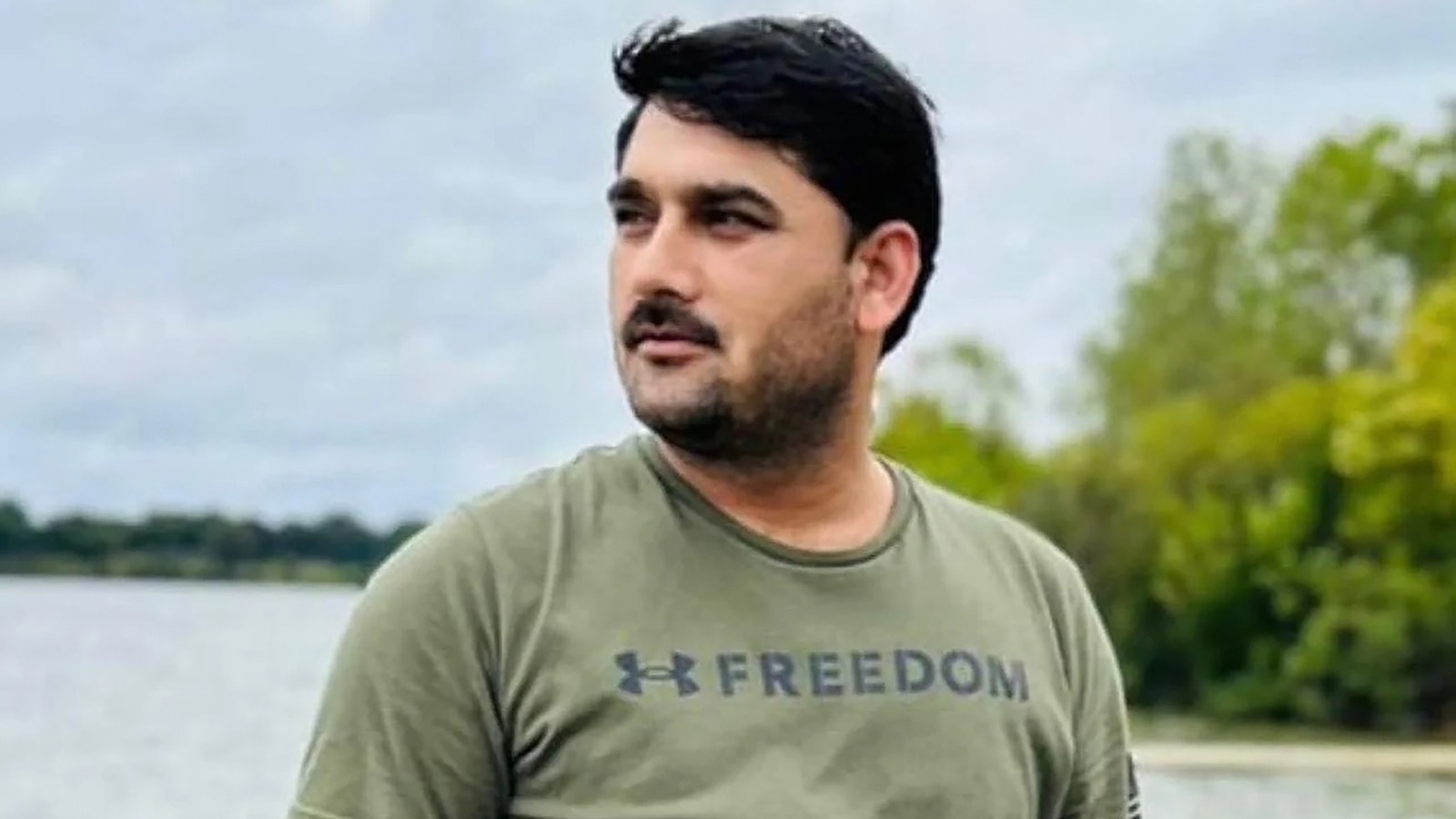
The story of Mohommad Nazeer Paktyawal is one that encapsulates both the promise and peril faced by those who stood with America during its longest war. At just 41 years old, this Afghan immigrant died after spending only one day in immigration custody, leaving behind a family in shock and a community demanding answers. According to AfghanEvac, an immigrant advocacy organization speaking on behalf of his family, Paktyawal was more than just another detainee—he was someone who had risked his life working alongside U.S. forces during the tumultuous years of the Afghanistan war. His death, which occurred at Parkland Hospital in Dallas, Texas, marks the 43rd fatality in Immigration and Customs Enforcement (ICE) custody during the current administration, raising serious questions about the treatment and medical care provided to detainees. The tragedy unfolds against the backdrop of his family’s journey from war-torn Afghanistan to what they hoped would be safety in America, a journey that ended in heartbreak on a hospital bed far from the homeland where Paktyawal once served as a protector.
From Soldier to Refugee: The Journey to America
Paktyawal’s story began in Afghanistan, where he served his country with distinction. Starting in 2005, he worked as an Afghan special forces soldier, dedicating more than a decade of his life to working alongside U.S. Army Special Forces. This was no ordinary job—it was dangerous, life-threatening work that put him and his family at constant risk. Yet he believed deeply in the mission: bringing stability to his country and protecting the people around him. When Afghanistan fell to the Taliban in August 2021, Paktyawal found himself among thousands of Afghans whose lives were suddenly in danger because of their association with American forces. The United States recognized this danger and helped evacuate his family on August 30, 2021, as part of the chaotic withdrawal that marked the end of America’s twenty-year presence in the country. The family was resettled in Texas through Catholic Charities, an organization that helps refugees start new lives in America. They arrived with hope for safety and a better life, carrying with them the trauma of war but also optimism about their future. Paktyawal had successfully completed his asylum interview, held valid work authorization, and possessed a Social Security number—all signs that he was taking the proper steps to build a legitimate life in his adopted country.
The Morning Everything Changed
March 13th started as what seemed like an ordinary morning for the Paktyawal family. A father was preparing to take his children to school, engaging in the simple, everyday routine that millions of American families perform without a second thought. But for this family, the morning would become a nightmare they still struggle to comprehend. As Paktyawal prepared to drive his children to school, immigration agents surrounded him and took him into custody while his children watched the terrifying scene unfold. The trauma of watching their father being taken away, not understanding why or when they would see him again, is something those children will likely carry for the rest of their lives. Shortly after his detention, Paktyawal was able to contact family members, and his message was alarming: he was not feeling well. According to ICE’s official statement, later that evening, Paktyawal began complaining of shortness of breath and chest pains while in an ICE Dallas Field Office processing hold room. Emergency Medical Services were contacted, and he was immediately transported to Parkland Hospital, where he received breathing treatment. The emergency room doctor recommended that he remain in the hospital for observation, suggesting the medical staff recognized the seriousness of his condition. What happened next remains the subject of confusion and grief for his family.
A Medical Emergency and Unanswered Questions
The early hours of March 14th brought a cascade of medical crises that would ultimately claim Paktyawal’s life. According to ICE’s statement, he was eating breakfast when medical staff noticed that his tongue had become swollen—a symptom that can indicate a severe allergic reaction or other serious medical emergency. This prompted an immediate medical response. According to Lauren Bis, DHS Deputy Assistant Secretary, Paktyawal received an epinephrine drip, a treatment typically used for severe allergic reactions. As his condition deteriorated, medical staff began cardiopulmonary resuscitation in desperate attempts to save his life. Multiple resuscitative efforts were made, including both mechanical devices and interventions by medical professionals. Despite all these efforts, at approximately 9:10 a.m. Central Daylight Time, a physician at Parkland Hospital pronounced Paktyawal deceased. The family received the devastating news that same day—less than 24 hours after watching him being taken into custody. ICE’s statement noted that Paktyawal “did not report any prior medical history” at the time of his arrest, suggesting he had been in good health before his detention. This makes his sudden medical crisis and rapid decline all the more mysterious and troubling. His family, through AfghanEvac, emphasized that he was a strong and healthy 41-year-old man, making his sudden death even more incomprehensible to those who loved him.
Conflicting Narratives and the Search for Truth
In the aftermath of Paktyawal’s death, two very different narratives have emerged, highlighting the deep divide in how immigration enforcement and immigrant advocacy groups view such cases. ICE’s official statement described Paktyawal as “a criminal illegal alien from Afghanistan” with “a known criminal history,” specifically mentioning an arrest for alleged SNAP (food stamps) fraud and another for alleged theft, both occurring in the previous year. This characterization paints a picture of someone who was in the country illegally and had engaged in criminal activity. However, AfghanEvac and Paktyawal’s family tell a starkly different story. They state that while he had been arrested on these allegations, he had never been convicted of any crimes, and the arrests did not result in criminal charges. This is a crucial distinction in the American legal system, where the principle of “innocent until proven guilty” is supposed to be a bedrock value. AfghanEvac emphasized that Paktyawal had an open asylum application pending with U.S. Citizenship and Immigration Services at the time of his detention, which would make him a legal asylum seeker rather than an “illegal alien.” The Department of Homeland Security confirmed that Paktyawal entered the U.S. in 2021 but stated that his parole expired in August 2025—though it’s unclear if this is a typographical error or refers to a different date. The agency did not address questions about his active asylum application, leaving this critical aspect of his legal status unresolved in the public record.
A Family’s Grief and the Larger Implications
The death of Mohommad Nazeer Paktyawal represents more than a single tragedy—it symbolizes the precarious position of thousands of Afghan allies who risked everything to help American forces. His family’s statement through AfghanEvac captures the profound sense of betrayal and confusion they feel: “We still cannot understand how this happened.” They came to America believing they would find safety after their service to U.S. interests, only to lose their loved one in the custody of the very government he had helped. The broader context of this death is equally troubling. According to ICE data, 36 detainees have died in ICE custody since January 23, 2025 alone, and Paktyawal’s death marks the 43rd during the current administration according to lawmakers. This represents a significant number of deaths in a relatively short period, raising serious questions about conditions in immigration detention facilities and the quality of medical care provided to detainees. Federal law requires ICE to make public all reports regarding detainee deaths within 90 days, but this timeline means families and the public often wait months for answers about what happened to their loved ones. DHS officials maintain that “no one in ICE custody is denied access to proper medical care” and that it is “longstanding practice to provide comprehensive medical care from the moment an alien enters ICE custody.” However, the frequency of deaths suggests that this care may not always be adequate or timely. For the Paktyawal family, no explanation will bring back the husband and father who was taken from them. For the broader Afghan refugee community, this death serves as a chilling reminder that even those who served alongside American forces are not guaranteed safety or fair treatment in the country they helped defend. As the investigation into Paktyawal’s death continues, his family and advocates are demanding transparency and accountability, hoping that understanding what happened might prevent similar tragedies in the future.