


Air Canada CEO Steps Down After Bilingual Controversy Following Fatal Crash
Leadership Change Amid National Criticism
Air Canada, Canada’s flagship carrier, found itself at the center of a significant national controversy that ultimately led to a major leadership change. On Monday, the airline announced that CEO Michael Rousseau would be retiring by the end of the third quarter of this year. This decision came in the wake of intense criticism following Rousseau’s handling of a public statement regarding a tragic plane crash earlier this month at New York’s LaGuardia Airport. The controversy centered on Rousseau’s decision to deliver his condolence message exclusively in English, with only French subtitles provided, rather than offering a fully bilingual statement. This choice sparked outrage across Canada, particularly in Quebec, where the airline is headquartered and where French language and culture hold profound significance to the province’s identity and its residents.
The Tragedy That Sparked the Controversy
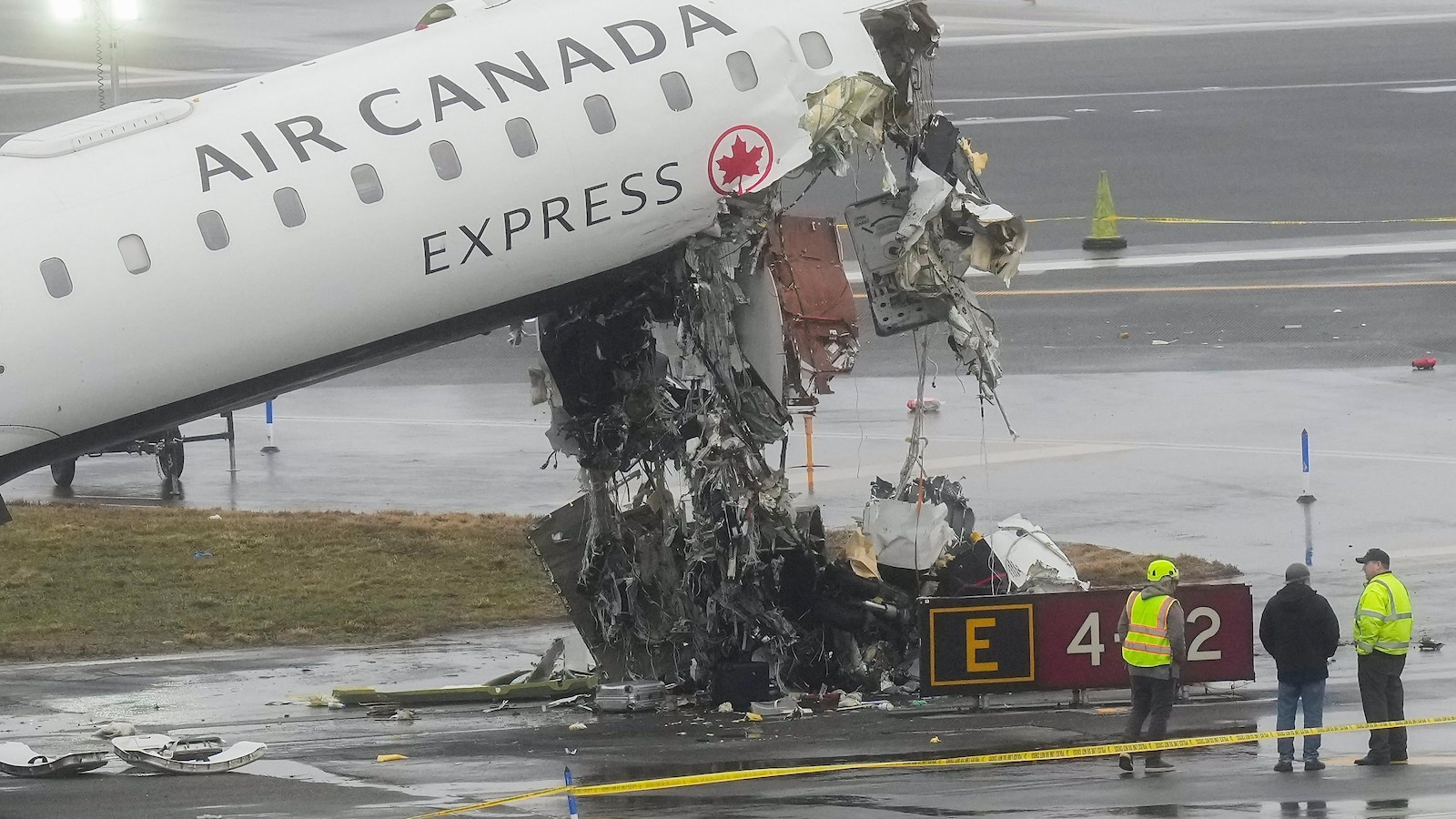
The incident that precipitated this crisis occurred when an Air Canada Jazz flight traveling from Montreal crashed at LaGuardia Airport shortly after landing. The aircraft collided with a fire truck on the runway, resulting in the deaths of two pilots: Antoine Forest and Mackenzie Gunther. Forest, one of the victims, was a French-speaking Quebecer, which made the language choice in Rousseau’s condolence message particularly sensitive and, to many, deeply inappropriate. The tragedy itself was devastating enough for the families involved, the airline employees, and Canadians as a whole. However, what should have been a moment of unified mourning and compassion became complicated by what many perceived as a failure to respect Canada’s bilingual character and, more specifically, to honor the linguistic heritage of one of the deceased pilots in an appropriate manner.
Political and Public Backlash
The response to Rousseau’s English-only video message was swift and unequivocal from Canada’s political leadership and the general public. Prime Minister Mark Carney publicly stated that the monolingual message demonstrated a troubling “lack of compassion and judgment” at a time when sensitivity and inclusivity were most needed. Quebec Premier François Legault went even further, joining a chorus of voices calling for Rousseau’s resignation. Legault pointedly reminded the public that when Rousseau was appointed as president of Air Canada in February 2021, he had made a public commitment to learn French—a promise that clearly held significance given the airline’s Montreal headquarters and its substantial operations within French-speaking Quebec. The Office of the Commissioner of Official Languages, Canada’s watchdog for linguistic rights, reported receiving hundreds of formal complaints about the message, demonstrating that the issue resonated far beyond political circles and touched ordinary Canadians who saw the incident as emblematic of larger concerns about linguistic respect and equality in their officially bilingual nation.
Understanding Canada’s Bilingual Identity
To fully appreciate why this controversy became so significant, it’s essential to understand Canada’s unique linguistic landscape and the historical tensions that have shaped it. Canada is officially a bilingual nation, with both English and French holding equal status as official languages at the federal level. This bilingual character isn’t merely a bureaucratic designation—it reflects deep historical roots and ongoing cultural realities, particularly in Quebec. The province’s French-speaking identity traces back centuries, to when the territory was known as New France under French colonial rule. That changed in the 1760s when the British completed their takeover of the region, beginning a long and often contentious relationship between English and French linguistic communities. Today, Quebec remains approximately 80% French-speaking, and the preservation and promotion of French language and culture have become fundamental aspects of Quebec’s provincial identity. For many Quebecers, language isn’t simply a means of communication—it’s intrinsically tied to cultural survival, historical memory, and collective identity in a predominantly English-speaking North American context.
Corporate Responsibility and Linguistic Obligations
Air Canada’s situation is particularly sensitive because of its unique position as Canada’s largest airline and a major national institution headquartered in Montreal, the heart of French-speaking Quebec. The airline doesn’t simply operate in a bilingual country; it serves as a symbol of Canadian identity both domestically and internationally. This places special obligations on the company and its leadership to exemplify the bilingual values that Canada officially embraces. Rousseau’s decision to deliver condolences in English with French subtitles rather than a fully bilingual presentation was seen by many as a failure to meet these obligations at a critical moment. The fact that this wasn’t Rousseau’s first controversy regarding the French language—he had previously faced criticism for not speaking French despite leading a Montreal-based company—suggested to critics a pattern of insensitivity rather than an isolated misstep. In announcing Rousseau’s departure, the airline faced the challenge of addressing not only this specific incident but also broader questions about how major Canadian institutions demonstrate respect for the country’s linguistic duality.
Looking Forward: Air Canada’s Path Ahead
Following the announcement of Rousseau’s retirement, Canada’s Transport Minister Steven MacKinnon issued a statement thanking the outgoing CEO for his service while emphasizing the government’s expectations moving forward. MacKinnon stated that the government would “continue to work closely with Air Canada to ensure it provides safe, reliable, affordable, and bilingual service to all Canadians.” This statement underscored that linguistic accessibility isn’t an optional feature but a fundamental requirement for major Canadian institutions, particularly those in federally regulated sectors like aviation. As Air Canada prepares for this leadership transition, the airline faces the task of selecting a successor who can not only manage the complex business challenges of running a major international carrier but also navigate the cultural and linguistic sensitivities that are integral to operating in Canada’s unique national context. The next CEO will need to demonstrate genuine commitment to bilingualism—not as a political gesture but as a core operational and cultural value. This controversy serves as a reminder that in Canada, language issues remain deeply emotional and politically significant, touching on fundamental questions of respect, identity, and national unity. For Air Canada and other major Canadian institutions, the message is clear: in a bilingual nation, linguistic inclusion isn’t merely about compliance with regulations—it’s about demonstrating genuine respect for all Canadians and the diverse communities that make up the country’s national fabric.