


Airport Chaos: How the Government Shutdown Is Affecting Your Travel Plans
The Growing Crisis at Security Checkpoints
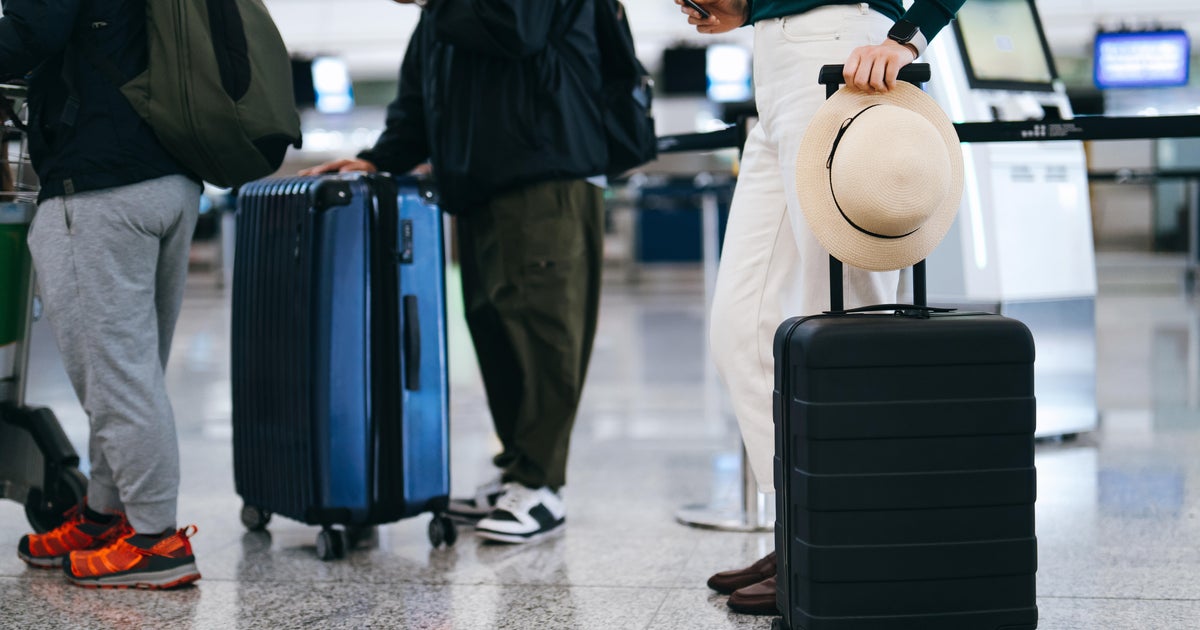
The partial federal government shutdown has created unprecedented chaos at airports across the United States, transforming what should be routine security screenings into hours-long ordeals that are disrupting travel plans for thousands of passengers. Major airlines have been forced to take the unusual step of allowing travelers to cancel or rebook their flights without penalty, acknowledging that the situation has spiraled beyond what passengers can reasonably be expected to manage. The heart of the problem lies with the Transportation Security Administration (TSA), whose officers are required to work without receiving paychecks for what has now stretched into a sixth consecutive week. This untenable situation has led to mass resignations among TSA staff, creating severe staffing shortages at security checkpoints nationwide. Meanwhile, politicians in Washington remain deadlocked, unable to reach an agreement on a spending bill that would fund the Department of Homeland Security, which oversees the TSA. The human cost of this political standoff is becoming increasingly apparent in airports across the country, where frustrated travelers find themselves caught in an impossible situation not of their making.
Real Stories from Stranded Travelers
The real-world impact of these security delays is perhaps best illustrated by individual stories from affected passengers who have found themselves trapped in an exhausting cycle of waiting, missing flights, and trying again. At Houston’s George Bush Intercontinental Airport, one of the hardest-hit facilities, travelers reported waiting an astonishing five hours just to clear security screening—a delay that made it impossible for many to catch their scheduled flights. Summer Martinez became the face of this frustration when she shared her experience with CBS News, explaining that the extended wait times had caused her to miss not just one, but three separate flights to Tulsa, Oklahoma. By the time she spoke with reporters, she was attempting her fourth booking, still hoping to reach her destination but with diminishing confidence in the system’s ability to get her there. Stories like Martinez’s are multiplying across the country, as passengers struggle with a fundamental uncertainty: how early should they arrive at the airport when wait times are unpredictable and information from various sources seems contradictory? Some airports are advising travelers to arrive three or even four hours before domestic flights—guidance that conflicts with decades of conventional wisdom and creates its own logistical nightmares for travelers trying to coordinate transportation, childcare, and work schedules around their trips.
How Major Airlines Are Responding
In response to this unprecedented situation, several major carriers have implemented special policies designed to give travelers more flexibility and reduce the stress of navigating an unpredictable airport environment. Allegiant Air has rolled out what it calls a “travel with confidence” guarantee, recognizing that the government shutdown has made trip planning extraordinarily difficult for its customers. Under this temporary policy, passengers can change or cancel their travel plans without incurring the fees that would normally apply, though they must contact the airline’s customer service team directly through phone, chat, text, or email to make these arrangements. Delta Air Lines has taken a similar approach, with specific provisions for travelers using Hartsfield-Jackson Atlanta International Airport, which has advised passengers to allow at least four hours—yes, four full hours—for security screening, whether flying domestically or internationally. Delta’s waiver permits passengers scheduled to travel on certain dates to rebook their flights through the end of March without paying fare differences, provided they stay in the same cabin class they originally selected. United Airlines, which has already eliminated most change fees as part of its regular policies, issued a special waiver specifically for travelers using George Bush Intercontinental Airport in Houston, where the situation has become particularly dire with wait times reaching up to six hours. United passengers with travel dates on specific days in March can reschedule without paying change fees or fare differences, though the new flight must depart by the end of March and must be in the same cabin and between the same cities as originally booked.
Expert Perspectives on the Airline Response
Travel industry experts have weighed in on these airline policies, with most agreeing that the carriers had little choice but to offer these accommodations given the severity of the disruptions. Eric Rosen, director of content for The Points Guy, a widely respected travel website, told CBS News that the airlines’ decision to waive fees was “probably about time,” considering the chaos that had taken hold at major hub airports like Houston and Atlanta. Rosen’s assessment suggests that airlines initially underestimated how severe and prolonged the security checkpoint problems would become, but have now recognized that they must adapt their policies to match the reality their customers are facing. His observation that “there doesn’t appear to be an end in sight to this anytime soon” captures the growing sense that this crisis may extend well into the future if the political deadlock in Washington continues. From a business perspective, airlines are caught in a difficult position: they face significant financial costs from these policy changes and from flights that depart partially empty because passengers missed them due to security delays, yet they also risk long-term damage to customer loyalty if they’re seen as inflexible during a crisis beyond travelers’ control. The carriers’ response represents a calculated bet that short-term losses are preferable to the reputational damage that would result from forcing passengers to bear the full cost of government dysfunction.
Navigating the Current Travel Landscape
For travelers who must fly during this uncertain period, planning has become significantly more complicated and stressful than usual. Airlines and airports are strongly encouraging passengers to build in substantially more time for security screening than they would normally consider necessary—recommendations that can mean arriving three to four hours before domestic flights and even earlier for international travel. However, these wait times can vary dramatically from day to day and even hour to hour, depending on how many TSA officers call in sick or simply don’t show up for shifts they’re not being paid to work. This unpredictability means that following the recommended arrival time might result in clearing security quickly and then facing a three-hour wait at the gate, or alternatively, still missing a flight despite arriving extra early. Travelers are advised to check their specific airport’s website or social media channels for updated information on current wait times, though these estimates can become outdated quickly as conditions change. For those with flexible travel plans, postponing non-essential trips until the shutdown ends may be the most stress-free option. Those who must travel should document everything—take photos of security lines, save communications from airlines, and keep all receipts—as this information may be valuable if disputes arise later about missed connections or additional expenses incurred due to delays.
The Broader Implications and Path Forward
This crisis represents more than just an inconvenience for travelers; it’s a stark illustration of how political gridlock in Washington can have immediate, tangible consequences for ordinary Americans trying to go about their lives. TSA officers, who play a critical role in maintaining aviation security, are being asked to work without pay indefinitely, a situation that is both financially untenable for the workers and potentially dangerous from a security perspective as experienced staff members quit and those who remain become increasingly demoralized and distracted by financial stress. The ripple effects extend throughout the economy, affecting not just airlines and airports but also the tourism industry, business travel, and all the sectors that depend on the smooth functioning of air transportation. As the shutdown continues with no clear resolution in sight, these impacts will only intensify, potentially reaching a point where the air travel system faces more severe disruptions than the long security lines we’re currently seeing. The solution, ultimately, must come from Washington, where lawmakers need to recognize that their inability to reach a budget agreement isn’t just an abstract political dispute—it’s actively harming their constituents and undermining critical infrastructure. Until that political breakthrough occurs, travelers should expect continued disruption, plan accordingly, and take advantage of the flexible rebooking policies airlines have implemented to navigate this challenging period as smoothly as possible.