
Anthropic Takes Pentagon to Court Over AI Supply Chain Designation
Tech Company Fights Back Against Federal Classification
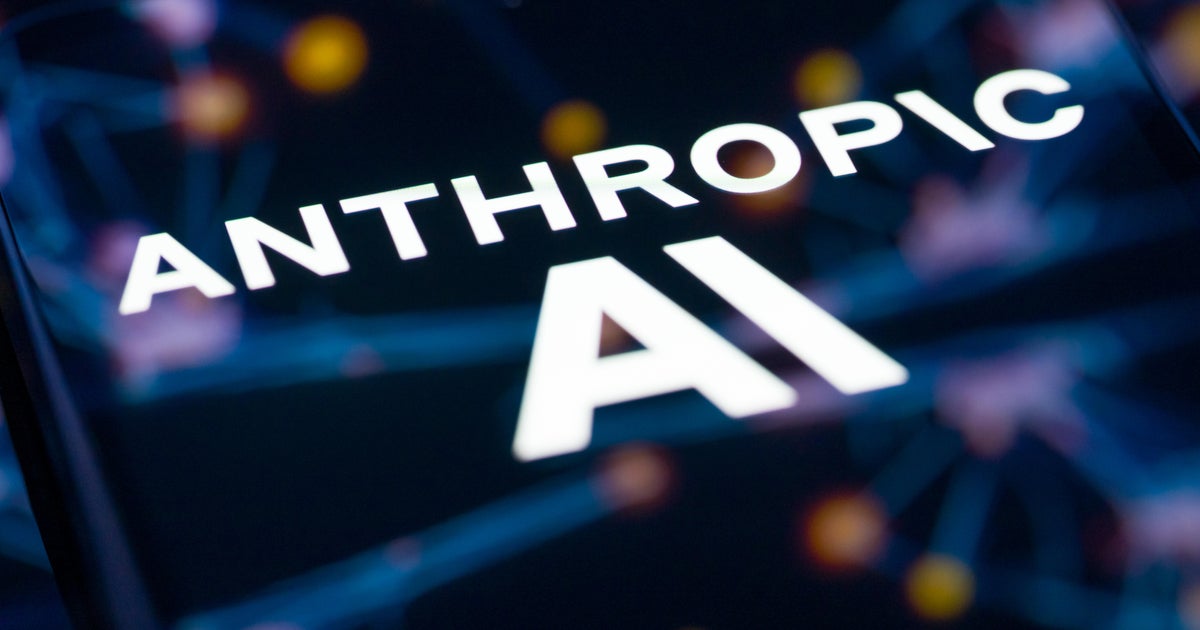
In a bold legal move that highlights the growing tensions between Silicon Valley and the federal government, artificial intelligence company Anthropic filed a lawsuit against the U.S. Defense Department on Monday. The San Francisco-based AI firm is challenging the Pentagon’s recent decision to label it as a supply chain risk, a designation that could have far-reaching consequences for the company’s business operations and reputation. The 48-page complaint, submitted to a federal court in northern California, represents what Anthropic characterizes as a last-ditch effort to protect its constitutional rights and business interests against what it views as government overreach and retaliation.
The Heart of the Legal Battle
At the core of this legal confrontation lies a fundamental disagreement about the appropriate use of artificial intelligence technology and the government’s authority to penalize private companies. Anthropic’s lawsuit pulls no punches in its characterization of the Pentagon’s actions, describing them as both “unprecedented and unlawful.” The company’s legal team argues that the Defense Department has stepped far beyond its constitutional authority by attempting to punish Anthropic for exercising its right to free speech. This reference to protected speech suggests that the dispute may have originated from public statements or positions taken by Anthropic regarding the development, deployment, or regulation of AI technologies—positions that apparently didn’t sit well with defense officials.
The lawsuit’s language reveals the depth of Anthropic’s concern about the government’s approach. By stating that “the Constitution does not allow the government to wield its enormous power to punish a company for its protected speech,” the company is framing this not merely as a business dispute but as a matter of fundamental constitutional rights. This legal strategy suggests that Anthropic believes the Pentagon’s designation was motivated not by legitimate national security concerns but rather by disagreement with the company’s public positions or business practices. Furthermore, the company asserts that no federal statute actually authorizes the actions the Pentagon has taken, suggesting that defense officials may have stretched or exceeded their legal authority in making this designation.
Understanding the Supply Chain Risk Designation
The Pentagon’s classification of a company as a supply chain risk is no small matter. Such a designation typically signals to federal agencies and contractors that doing business with the flagged entity could pose security concerns or other risks to government operations. For a company like Anthropic, which operates in the rapidly evolving and highly competitive AI sector, being labeled a supply chain risk could prove devastating. The designation could effectively bar the company from lucrative government contracts, discourage private sector partners who work with federal agencies from collaborating with Anthropic, and cast a shadow over the company’s reputation in an industry where trust and reliability are paramount. In the current climate, where artificial intelligence is increasingly viewed as critical to national security and economic competitiveness, such a designation carries enormous weight.
The Broader Context of AI and National Security
This lawsuit emerges against a backdrop of intensifying debate about the role of artificial intelligence in national defense and the relationship between the government and AI developers. As AI technologies become more sophisticated and central to military applications, from intelligence analysis to autonomous weapons systems, the Pentagon has grown increasingly concerned about ensuring that the AI tools and services it uses come from trusted sources. At the same time, many AI companies have grappled with ethical questions about whether and how their technologies should be used for military purposes. Some firms have faced internal employee protests over defense contracts, while others have publicly committed to principles limiting military applications of their AI systems.
Anthropic itself has positioned itself as a company focused on AI safety and responsible development, which may have contributed to tensions with defense officials seeking unfettered access to cutting-edge AI capabilities. The company was founded by former OpenAI executives who left that organization partly over concerns about the direction of AI development and safety protocols. This emphasis on responsible AI development and deployment may have put Anthropic at odds with Pentagon officials who prioritize maximizing military advantages from AI technologies. The current lawsuit suggests that whatever disagreements existed between Anthropic and the Defense Department have now escalated into a full-blown legal and constitutional confrontation.
Implications and What Comes Next
As this case unfolds, it will likely draw intense attention from across the technology industry, legal experts, and policymakers concerned with both national security and constitutional rights. The lawsuit raises important questions about the limits of government power in regulating and restricting private companies, particularly in the context of emerging technologies. If Anthropic prevails, it could set precedents limiting the Defense Department’s ability to designate companies as supply chain risks without clear statutory authority and proper justification. Conversely, if the Pentagon successfully defends its actions, it could embolden other federal agencies to take similar measures against companies whose practices or public positions they find problematic.
The case also highlights the increasingly complex relationship between the government and the private sector in the AI domain. Unlike traditional defense contractors, many AI companies serve both commercial and government markets, and they often have strong views about the ethical implications of their work. As AI becomes more central to national security, finding the right balance between government needs, corporate independence, and public accountability will only become more challenging. This lawsuit may represent just the opening salvo in what could become a prolonged struggle to define these relationships and boundaries. For now, Anthropic has made clear that it views the Pentagon’s actions as a constitutional violation serious enough to warrant judicial intervention, describing its turn to the courts as “a last resort to vindicate its rights and halt the Executive’s unlawful campaign of retaliation.” As the legal proceedings move forward, the outcome could have profound implications not just for Anthropic, but for the entire AI industry and the future of government-industry collaboration in this critical technological domain.