
White House Ballroom and Bunker Construction Continues Amid Legal Battle
Court Grants Temporary Stay on Construction Block
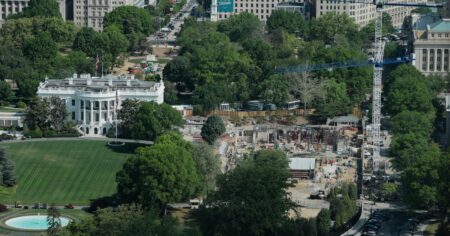
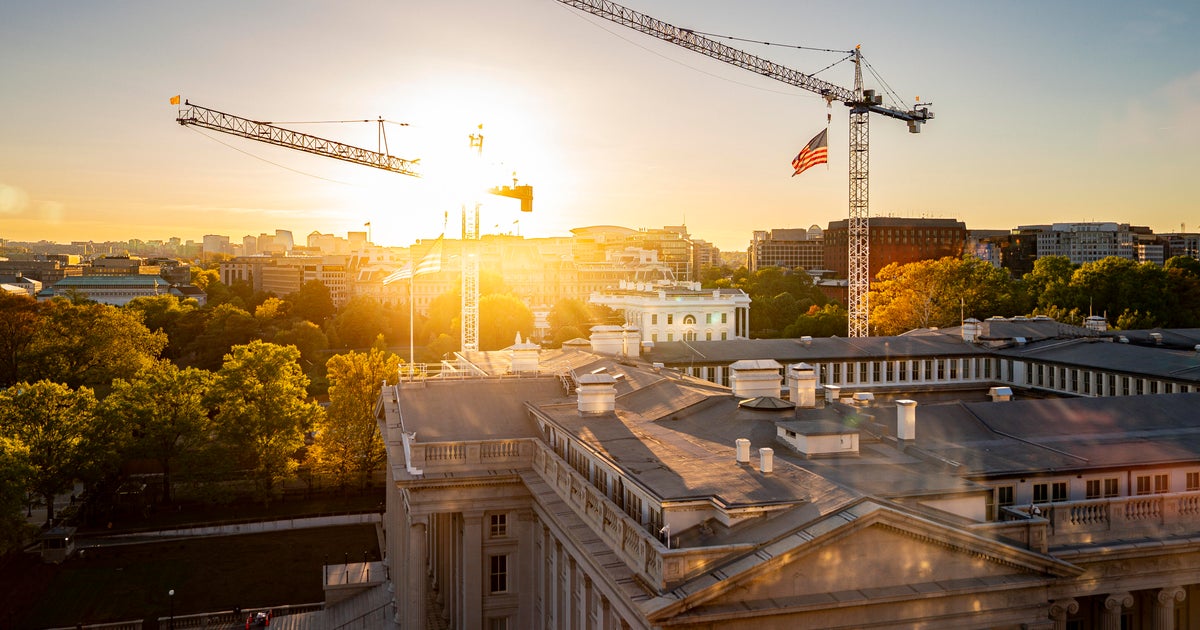
The ongoing construction of a controversial ballroom and presidential bunker at the White House has received a temporary reprieve, allowing work to continue for now. The U.S. Court of Appeals for the District of Columbia granted an administrative stay this week, effectively reversing an earlier order that had halted most above-ground construction activities. This legal development means that construction crews can continue their work on the ambitious project at least until the next scheduled hearing on June 5, according to the court’s briefing schedule. The case has become a complex intersection of preservation concerns, national security considerations, and presidential authority, drawing attention from historians, security experts, and the general public alike.
The Legal Journey: From District Court to Appeals
The legal saga surrounding this construction project has been winding through the federal court system for months. U.S. District Judge Richard Leon initially stepped into the controversy in March when he issued a temporary order blocking construction of the ballroom. However, the situation evolved when the U.S. Court of Appeals for the District of Columbia intervened, directing Judge Leon to reconsider his decision with particular attention to the national security implications of stopping the work. After this reconsideration, Judge Leon clarified his position: while work on the underground presidential bunker could continue without interruption, he maintained that most above-ground construction activities should cease. This nuanced ruling attempted to balance competing interests between historical preservation and security needs, though it satisfied neither side completely.
Justice Department and Presidential Response
The Justice Department wasted no time in challenging Judge Leon’s ruling, filing an appeal on Thursday with urgent language emphasizing the stakes involved. Government lawyers argued that Leon’s decision “would imperil the President and national security and indefinitely leave a large hole beside the Executive Residence.” This stark warning painted a picture of vulnerability and incompleteness, suggesting that halting construction would create both a security risk and an unsightly disruption to one of America’s most iconic buildings. The Justice Department’s appeal emphasized that the project had already progressed to a point where stopping would be more problematic than allowing it to continue to completion.
President Trump himself entered the fray with characteristic directness, taking to TruthSocial to express his strong disagreement with Judge Leon’s ruling. In his posts, the President didn’t mince words, calling Leon a “highly political Judge” and characterizing his decision as an “illegal overreach.” Trump defended the project with sweeping language, stating that “The Ballroom is deeply important to our National Security, and no Judge can be allowed to stop this Historic and Militarily Imperative Project.” In a follow-up post that provided additional context about the project’s design, Trump argued that “the underground doesn’t work, isn’t necessary, and would indeed be useless, without the above ground sections.” These statements highlighted the President’s view that the ballroom and bunker components are intrinsically linked and that completing one without the other would render the entire project ineffective.
Project Background and Controversial Beginnings
The roots of this controversy stretch back to last summer when President Trump first announced plans for a privately funded White House ballroom. The funding mechanism itself was notable—suggesting that taxpayer dollars would not be used for what some viewed as an expansion of presidential amenities. However, the project took a dramatic and unexpected turn in October when the administration demolished the historic East Wing of the White House. This action shocked many historians and preservation advocates who viewed the East Wing as an integral part of the White House complex with its own historical significance. The demolition happened quickly, leaving little time for public debate or formal review processes that typically accompany changes to nationally significant historic properties.
The sudden demolition sparked immediate backlash from preservation organizations. The National Trust for Historical Preservation, one of America’s most prominent advocacy groups for historic buildings and sites, responded by filing a lawsuit late last year specifically aimed at blocking construction of the new East Wing. The lawsuit argued that the changes to the White House complex were being made without proper consideration of the building’s historical importance and without adequate public input. The National Trust contended that the White House belongs not just to the current administration but to the American people and to history itself, and that significant alterations should undergo rigorous review and public discussion before proceeding.
Balancing Security Needs with Historical Preservation
At the heart of this legal battle lies a fundamental tension that has no easy resolution: how to balance the legitimate security needs of the President and the functioning of the executive branch with the equally important imperative to preserve historically significant national landmarks. The White House is not just a residence or an office building; it’s a powerful symbol of American democracy and a structure that has witnessed more than two centuries of American history. Every president has left their mark on the building in some way, but those changes have typically been made with careful consideration and, in the modern era, with input from historians and preservation experts.
The Trump administration’s position emphasizes that presidential security in the 21st century requires modern facilities and infrastructure that may not have been necessary in earlier eras. The combination of a ballroom and bunker suggests the project serves both ceremonial and protective functions. Supporters of the project argue that preventing the President from making necessary security upgrades to the White House could put the nation’s chief executive at risk and compromise the government’s ability to function during emergencies. They contend that historical preservation, while important, cannot be allowed to trump the fundamental requirement of keeping the President safe and ensuring continuity of government. From this perspective, the courts should defer to the executive branch’s assessment of its own security needs rather than second-guessing military and security professionals.
On the other side, preservation advocates and the project’s critics argue that the “national security” justification is being used too broadly to circumvent normal processes and public accountability. They point out that the White House has successfully balanced security and preservation for decades, and that the sudden demolition of the East Wing and the rush to build a ballroom suggest priorities beyond pure security concerns. These critics worry about the precedent being set: if any president can dramatically alter the White House by invoking national security, what protections remain for this irreplaceable national treasure? They argue that transparency, expert consultation, and careful planning should be required even for projects with legitimate security components, and that the rushed nature of this construction suggests those standards haven’t been met. As the June 5 hearing approaches, both sides are preparing their arguments for what promises to be a consequential decision about presidential power, national security, and America’s architectural heritage.