
Critical Shortage of Defense Systems Threatens Gulf States
Arab Nations Running Low on Missile Interceptors
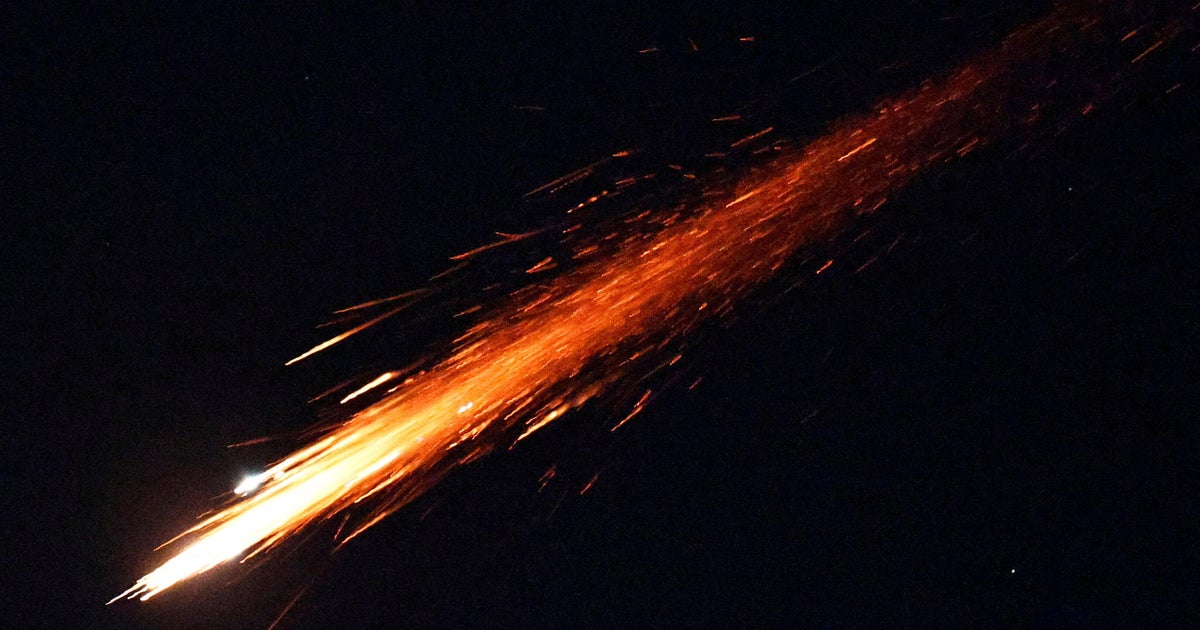
The escalating tensions in the Persian Gulf have exposed a dangerous vulnerability for Arab states in the region: they’re rapidly depleting their supplies of missile interceptors needed to defend against Iranian attacks. According to two regional officials who spoke with CBS News, governments across the Gulf are sounding alarm bells about their dwindling defensive capabilities. These countries have urgently requested that the United States fast-track shipments of new interceptor missiles to replenish their stocks, but the response has been frustratingly slow. While Washington has reportedly established a task force to address these supply concerns, the pace of delivery falls far short of what these nations need to maintain adequate protection for their citizens and infrastructure. The situation has become particularly precarious as Iran continues its aggressive posture, launching hundreds of drones in addition to missiles—a strategy that regional officials believe is deliberately designed to drain defensive resources and force Arab states to pressure America into ending the broader conflict.
Pentagon Disputes Supply Concerns Despite Regional Alarms
Despite the urgent concerns raised by officials on the ground in the Gulf region, senior U.S. military leadership has downplayed the severity of the ammunition shortage. Air Force General Dan Caine, serving as chairman of the Joint Chiefs of Staff, addressed reporters at the Pentagon on Wednesday with a message of reassurance. He pushed back firmly against suggestions that supplies were inadequate, stating confidently that there were sufficient “precision munitions for the task at hand, both on the offense and defense.” This disconnect between what regional officials are experiencing firsthand and what military leaders in Washington are publicly acknowledging raises troubling questions about communication channels and the actual state of readiness in the Gulf. The discrepancy could stem from bureaucratic delays in the supply chain, differing assessments of what constitutes “sufficient” supplies, or perhaps reluctance by Pentagon officials to publicly acknowledge vulnerabilities that could be exploited by adversaries. Regardless of the cause, the gap between these perspectives highlights a potentially dangerous miscalculation that could leave allied nations exposed during a critical period.
Diplomatic Vacuum Complicating Regional Response
Adding another layer of complexity to an already challenging situation is the absence of American ambassadors in many key countries throughout the region. More than a year into President Trump’s current term, crucial nations including Lebanon, Jordan, and Qatar still lack confirmed U.S. ambassadors—a diplomatic void that severely hampers effective communication during this crisis period. The problem extends beyond these three countries; Saudi Arabia, the United Arab Emirates, and Kuwait are also operating without a presidential representative on the ground, instead relying on charge d’affaires who, while capable, lack the authority and direct access to Washington that ambassadors possess. This ambassadorial vacuum stems from a combination of delayed nominations and slow-moving Senate confirmations, a pattern that has left the diplomatic corps severely understaffed compared to previous administrations. A telling example of the confirmation challenges is Amer Ghalib, the former mayor of Hamtramck, Michigan, who was nominated to serve as ambassador to Kuwait but struggled during his confirmation hearings when questioned about problematic social media posts from his past that contained antisemitic and other inflammatory content.
Understaffed Administration Strains Communication Networks
The absence of ambassadors represents only part of a broader staffing crisis affecting America’s ability to manage complex international relationships during wartime. Both the National Security Council and the State Department are operating with significantly fewer personnel than previous administrations maintained, creating a situation where there are simply fewer points of contact for regional allies seeking assistance, coordination, or information. This skeletal staffing means that when foreign officials need to communicate urgent concerns—like running out of defensive missiles—they encounter a much narrower pipeline to decision-makers in Washington. While President Trump has deployed special envoys Steve Witkoff and Jared Kushner to handle certain aspects of regional diplomacy, these representatives focus primarily on high-level negotiations and peace processes rather than the day-to-day country management issues that traditionally fall under embassy purview. The result is a communication structure ill-suited to handle the rapid-fire demands of active conflict, where decisions about weapons shipments, intelligence sharing, and coordinated defensive strategies need to happen in hours or days rather than weeks or months.
Expanding Threats Beyond Iranian Missiles
The security challenges facing Gulf states extend well beyond the Iranian missile attacks that have dominated headlines. Kuwait, for instance, has found itself dealing with incoming fire from multiple directions, with militias based in neighboring Iraq launching both missiles and drones that have struck civilian areas, adding another dimension to an already complex threat environment. Meanwhile, Qatar made a startling announcement Wednesday that ten individuals believed to be Iranian agents had been arrested on suspicion of planning attacks within the country—a revelation that has heightened concerns about the presence of sleeper cells throughout the region. Security officials are particularly worried about the potential for radicalization among Shiite Muslim populations in countries like Bahrain, where sectarian tensions could provide Iran with internal leverage to destabilize governments. Additionally, many officials have expressed deep concerns about the expected deployment of Kurdish fighters into Iranian territory, warning that introducing ethnic and sectarian dimensions into an already explosive situation could prove catastrophic. This Kurdish involvement also threatens to strain relations with Turkey, which has long feared Kurdish separatist movements and views armed Kurdish groups as existential threats regardless of their current alignment with U.S. interests.
A Perfect Storm of Vulnerabilities
The situation in the Persian Gulf has evolved into a dangerous convergence of military, diplomatic, and political vulnerabilities that threaten to overwhelm the region’s defensive capabilities. Arab states find themselves fighting a multi-front defensive battle—intercepting Iranian missiles and drones, guarding against Iraqi militia attacks, watching for potential sabotage by sleeper cells, and managing sectarian tensions—all while their stockpiles of defensive weapons dwindle and their primary ally operates with a hollowed-out diplomatic presence. The ammunition shortage alone would present a significant challenge, but combined with understaffed embassies, delayed confirmations, and reduced points of contact in Washington, it creates a scenario where America’s Gulf partners feel increasingly isolated and vulnerable. The disconnect between Pentagon assurances and regional reality suggests either a concerning lack of awareness about conditions on the ground or a reluctance to publicly acknowledge the gravity of the situation. As Iran appears to be deliberately pursuing a strategy of exhausting defensive resources while potentially activating internal threats, the window for addressing these vulnerabilities grows narrower by the day. Without rapid resolution of the ammunition supply issues, expedited confirmation of ambassadors, and enhanced staffing of the diplomatic and national security apparatus, the United States risks watching its regional partnerships deteriorate precisely when they’re needed most, potentially leading to a catastrophic security failure that could reshape Middle Eastern geopolitics for decades to come.