
Trump’s White House Ballroom Project Moves Forward Despite Overwhelming Public Opposition
A Controversial Approval Moves the Project One Step Closer to Reality
In a decision that has sparked significant debate across the nation, a federal advisory commission voted Thursday to approve President Trump’s ambitious plan to overhaul the White House East Wing, which includes the construction of a grand new ballroom. The Commission of Fine Arts, whose role is to advise the government on architectural and artistic matters relating to the nation’s capital, gave its final blessing to the project despite receiving an unprecedented wave of public criticism. Six commission members voted in favor of the plans during a virtual meeting, while one member—the original architect of the ballroom design—stepped aside from voting due to a conflict of interest. What makes this approval particularly noteworthy is that all voting members were recently appointed by President Trump himself, following his decision to remove the previous commissioners in October. This wholesale replacement of the commission has raised eyebrows among critics who question whether the approval process has been compromised by political considerations rather than purely architectural and historical merit.
The Design Details and What the Public Will See
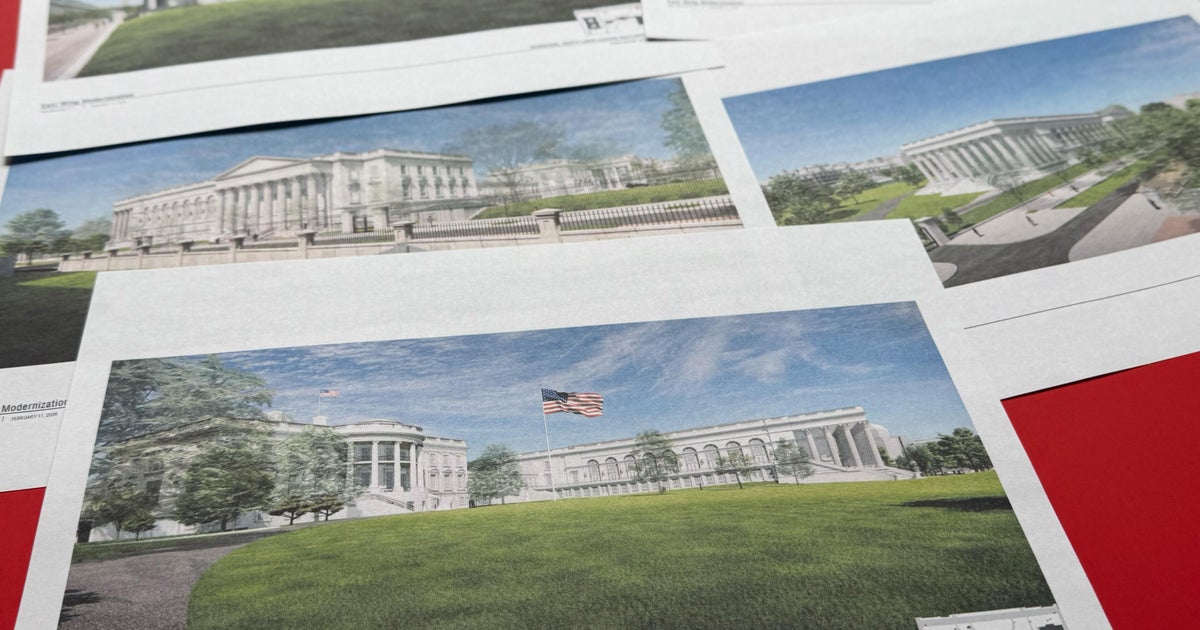
During the presentation to the commission, architect Shalom Baranes unveiled detailed renderings and technical drawings that illustrated how the proposed East Wing expansion would look from multiple vantage points around the White House complex. The presentations included sophisticated computer animations designed to show how visitors and passersby would experience the new construction from both the north and south perspectives. One significant modification from earlier proposals was revealed: the design team has eliminated a pediment that was previously planned for the south-facing side of the ballroom, representing a scaling back of some of the more ornamental elements. Landscape architect Rick Parisi contributed to the presentation by showing how the grounds surrounding the new ballroom would be landscaped, complete with carefully selected foliage to complement the architecture. The landscape plans also include relocating an existing fountain that currently sits on the eastern edge of the White House campus. To help commissioners understand the massive scale of the undertaking, staff members presented an all-white three-dimensional model showing the White House and nearby Treasury complex, with the proposed East Wing addition clearly visible. This model made clear just how substantial the new construction would be in relation to the existing historic structures.
An Unprecedented Public Outcry Falls on Deaf Ears
Perhaps the most striking aspect of Thursday’s approval was the stark contrast between the commission’s decision and public sentiment. Thomas Luebke, who serves as the Commission of Fine Arts’ secretary, told the assembled commissioners that in his two decades of handling cases for the organization, he had never witnessed anything approaching the level of public engagement generated by this project. In just the week leading up to the vote, the commission received more than 2,000 messages from concerned citizens—a truly remarkable number for an architectural review process that typically garners little public attention. What made these numbers even more significant was their overwhelming negativity, with Luebke reporting that the “vast, vast majority” expressed opposition to the ballroom project. In fact, he characterized the feedback as “overwhelmingly in opposition—over 99%,” a staggering level of consensus rarely seen on any public policy matter. The commissioners sat without visible reaction as Luebke methodically summarized the substance of the public’s concerns, which ranged from procedural complaints to fundamental questions about democratic governance and appropriate uses of national symbols.
The Specific Concerns Raised by Opponents
The public comments captured several recurring themes that paint a picture of deep unease with both the process and the substance of the East Wing renovation. Many commenters raised alarms about site demolition work that they claimed proceeded without proper permits or adequate oversight, suggesting a troubling disregard for established protocols meant to protect historic properties. The scale of the proposed ballroom emerged as another major point of contention, with numerous critics arguing that the new structure would “dwarf the White House” itself, fundamentally altering the proportions and visual hierarchy that have defined the presidential residence for generations. Questions about transparency formed another strand of criticism, with concerned citizens demanding more information about how the project would be funded and how contracts were being awarded. Some comments went beyond specific architectural or procedural objections to frame the issue in broader terms, characterizing the entire undertaking as a “fundamental miscarriage of democratic principles.” One particularly pointed comment, which Luebke shared with the commission, suggested that “the ballroom seems to shout power,” capturing the concern that the design prioritized bombastic displays of authority over the more restrained dignity traditionally associated with American democratic institutions. In the interest of balance, Luebke did read one supportive comment, which argued that the ballroom would provide an appropriately grand permanent venue for state functions befitting the importance of the presidency.
The Administration’s Defense and Vision
Responding to the tidal wave of criticism, Chamberlain Harris, a newly appointed commissioner who also serves as a White House aide, offered a spirited defense of the project that revealed the administration’s underlying philosophy. “This is sort of like the greatest country in the world. It’s the greatest house in the world and we want it to be the greatest ballroom in the world,” Harris declared, framing the massive construction project as a matter of national pride and appropriate ambition. This statement encapsulates the administration’s apparent belief that America’s status as a global superpower should be reflected in architectural grandeur at the presidential residence. The sentiment echoes historical moments when American leaders sought to ensure that the symbols of their government could stand alongside the palaces and monuments of European capitals. From this perspective, the criticism about the ballroom’s imposing scale misses the point entirely—the building is supposed to impress, to awe, to communicate American strength and prestige to visiting dignitaries from around the world. The administration’s vision seems to prioritize creating spaces suitable for projecting American power and hosting elaborate state occasions over maintaining the more modest proportions that have characterized the White House throughout most of its history.
What Comes Next in the Approval Process
While the Commission of Fine Arts approval represents a significant milestone for the project, it doesn’t mean construction crews will begin building the ballroom immediately. The White House still requires approval from another oversight body: the National Capital Planning Commission, which could potentially vote on the proposal as soon as March 5. The Commission of Fine Arts was established more than a century ago, in 1910, with a specific mandate “to advise the federal government on matters pertaining to the arts and national symbols, and to guide the architectural development of Washington, D.C.,” according to the organization’s official description. Its sister organization, the National Capital Planning Commission, serves a complementary but distinct role in overseeing development in the nation’s capital. If that second commission also grants approval, the administration has indicated that actual above-ground vertical construction could commence as early as April, representing a remarkably fast timeline for such a substantial addition to one of America’s most iconic and historically significant buildings. The speed of the process, combined with the replacement of commission members and the dismissal of overwhelming public opposition, has intensified concerns among preservationists and critics who worry that established safeguards meant to protect the character of the nation’s capital are being swept aside in favor of the current administration’s architectural ambitions. As the project moves forward, it will likely continue to generate debate about whose vision should shape the symbols of American democracy and what values those symbols should communicate to both citizens and the wider world.