


Iran’s Universities Erupt in Protest as Students Risk Everything for Freedom
A New Wave of Campus Unrest Challenges the Regime
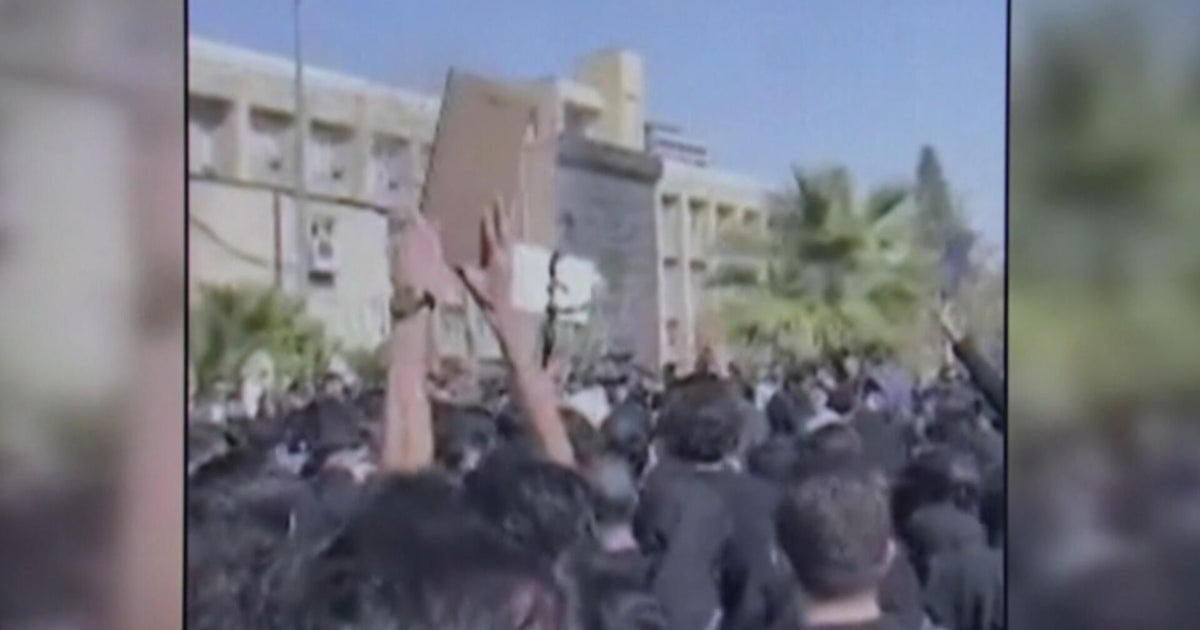
As Iranian universities reopened their doors for the new academic year over the weekend, they became flashpoints for the first major student protests since the government’s brutal suppression of nationwide demonstrations that ended in January. According to the Virginia-based Human Rights Activists News Agency, the previous crackdown resulted in a staggering death toll, with more than 7,000 confirmed fatalities and over 11,000 people whose whereabouts remain unknown. Despite these horrifying numbers and the knowledge that tens of thousands more may have perished, Iranian students are once again taking to the streets, fully aware of the dangers they face. For three consecutive days, university campuses across the country have witnessed bold acts of defiance, with students openly displaying symbols and chanting slogans that carry severe penalties, including death. These young protesters are sending a clear message to the clerical regime: fear will not silence them, and their demand for change will not be crushed, no matter how violent the government’s response.
The Courage to Chant Forbidden Words
One protester in Tehran, who risked her safety to speak with CBS News, emphasized the extraordinary bravery of her fellow demonstrators. “They are not stupid, they are brave,” she explained, pointing to the protesters waving flags featuring the sun and lion emblem—a symbol of Iran’s pre-revolutionary monarchy—and chanting “Javid Shah,” meaning “Long live the shah.” Both of these acts of defiance carry the possibility of execution or lengthy imprisonment under Iran’s current laws. The phrase refers to Mohammed Reza Pahlavi, Iran’s last monarch who was overthrown during the 1979 Islamic Revolution. In recent months, both inside Iran and among expatriate communities worldwide, a growing monarchist movement has emerged, advocating for his son, Reza Pahlavi, to assume leadership should Ayatollah Ali Khamenei and the clerical establishment fall from power. This movement represents more than nostalgia for the past; it reflects a deep desire among many Iranians for a complete transformation of their political system, away from theocratic rule and toward a government that respects individual freedoms and human rights.
The Weight of Survivor’s Guilt
The atmosphere on university campuses has been tense, with pro-regime demonstrations also taking place and at least one violent confrontation occurring between opposing groups. Yet students continue to speak out, despite knowing that their words could lead to imprisonment or death. The protester who spoke with CBS News, appearing on camera with her face covered by a scarf and dark sunglasses to protect her identity, shared the profound emotional burden she carries. “I am so ashamed, I am as a human, so ashamed that other people go out on the street and got killed — and I’m alive right now,” she said, her voice thick with emotion. “So I want my grief to be a voice for my people.” This survivor’s guilt drives her activism and explains why, despite witnessing unspeakable violence, she continues to participate in protests. She recounted her experiences during last month’s demonstrations, which spread across all of Iran’s 31 provinces and nearly 200 cities. On January 8th in Tehran, she witnessed people lying dead in the streets, shot by government forces. The following day, she saw a young woman shot twice, a sight so terrifying that she fled home. Yet this fear has not stopped her from returning to the streets again and again, because as she explained, “Our most fear is to witness this regime be in power again, so we go and we protest again and again and again.”
Eyes on American Military Movements
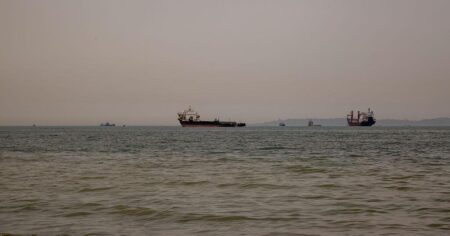
As protests continue, many Iranians are closely monitoring the significant buildup of U.S. military forces in the region. The USS Gerald R. Ford, America’s most advanced aircraft carrier, recently sailed through the Strait of Gibraltar and is now making its way through the Mediterranean Sea toward the Middle East. This carrier strike group, which includes cruise-missile destroyers, littoral combat ships, and likely at least one submarine, has joined the USS Abraham Lincoln aircraft carrier and its accompanying vessels, which have been deployed in the region for nearly a month. U.S. officials describe this as the largest American military buildup in the Middle East since the 2003 Iraq War. For protesters like the woman who spoke to CBS News, this military presence represents hope rather than fear. “I feel very hopeful. I’m not scared at all,” she said. “I feel happy about the shift that the United States is bringing here. I want from God to begin a war in here. I’m not a person of war interest but in this situation, we don’t have any other chance.” Her comments reflect the desperation felt by many Iranians who see no path to freedom through peaceful means alone, given the regime’s willingness to use lethal force against unarmed protesters.
A Direct Appeal to President Trump
With President Trump scheduled to deliver his State of the Union address, the Tehran protester seized the opportunity to send him a message, reminding him of what she believes was a promise to support the Iranian people. “President Trump, you told us that help is on the way,” she said. “You promised us that you will help us go through this. They don’t stop executions in Iran. There was 11 people executed just today. Go on your promise and help us.” Her plea reflects the urgency felt by many Iranian protesters who see the daily executions and continuing violence as evidence that the regime will never reform from within. She made clear that she does not want the United States to negotiate with the current Iranian government, calling Foreign Minister Abbas Araghchi “a terrorist.” This stance puts her at odds with ongoing diplomatic efforts, as the next round of indirect talks between the U.S. and Iran, mediated by Oman, is scheduled to take place in Geneva on Thursday. For many protesters, these negotiations represent a betrayal of their cause, potentially legitimizing a government they view as fundamentally illegitimate and unreformable.
The Price of Freedom and the Path Forward
The current wave of protests represents a critical moment in Iran’s ongoing struggle between those seeking fundamental change and a regime determined to maintain power at any cost. The students leading these demonstrations understand the risks better than anyone—they’ve seen the bodies in the streets, they know friends and classmates who have disappeared, and they’re aware that every slogan they chant and every symbol they display could result in their arrest, torture, or execution. Yet they continue to protest because they believe the cost of silence is even greater than the risk of speaking out. Their courage is reshaping the conversation about Iran’s future, both inside the country and on the international stage. The question now is whether their sacrifice will lead to the change they seek, or whether it will be met with another brutal crackdown. As U.S. military assets move closer to Iranian waters and diplomatic channels remain open, the world watches to see how this standoff will resolve. For the protester in Tehran and thousands like her, the answer cannot come soon enough—every day the regime remains in power means more executions, more disappearances, and more young lives cut short for daring to imagine a different future for their country.