
Mass Firing of FBI Employees Linked to Trump Documents Investigation
The Dismissals and Their Connection to the Classified Documents Probe
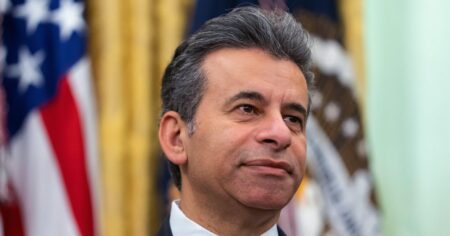
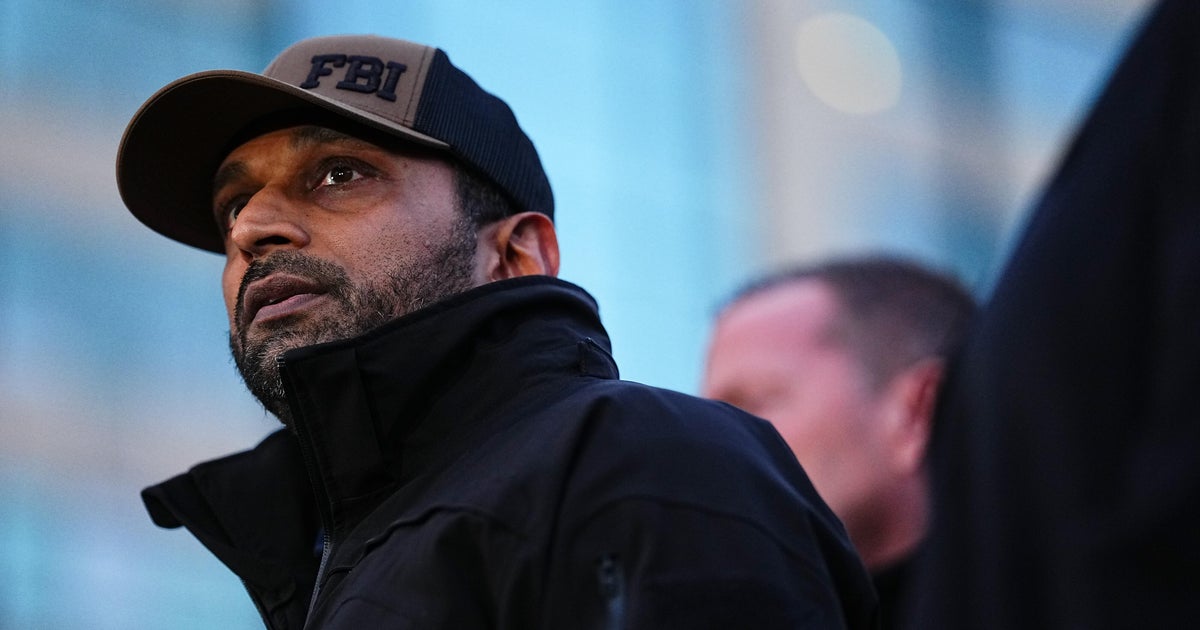
In a dramatic move that has sent shockwaves through the federal law enforcement community, at least ten FBI employees lost their jobs on Wednesday. These individuals all had one thing in common: they worked on former Special Counsel Jack Smith’s investigation into President Trump’s handling of classified documents after leaving the White House in 2021. The timing of these terminations wasn’t coincidental. They came on the heels of a Reuters report that raised questions about how the FBI had obtained phone records belonging to current FBI Director Kash Patel and White House Chief of Staff Susie Wiles during the investigation—back when both were private citizens. Patel himself made serious allegations, claiming the FBI had secretly gone after his phone records using what he called “flimsy pretexts” and hiding the process in restricted case files to avoid proper oversight. However, Reuters noted they couldn’t independently confirm these claims, and notably, Patel provided no concrete evidence of wrongdoing by the staff members who were subsequently fired.
Understanding the Special Counsel Investigations
To fully grasp the significance of these firings, it’s important to understand the scope of Jack Smith’s work. The Special Counsel didn’t just oversee one investigation into President Trump—he led two separate federal probes that made history. The first case focused on allegations that Trump unlawfully attempted to overturn the results of the 2020 presidential election, a politically explosive investigation that examined events surrounding January 6, 2021. The second case, which is more directly relevant to the recent firings, centered on Trump’s retention of classified documents at his Mar-a-Lago estate and his alleged efforts to obstruct the Justice Department when officials requested the return of these sensitive government files. All of the FBI agents and analysts who were terminated on Wednesday had worked specifically on this classified documents case. According to sources, while Susie Wiles’ phone records were indeed reviewed as part of this investigation, there’s conflicting information about whether Patel’s records were actually subpoenaed in this particular case. What is clear is that in the separate election-related investigation, codenamed Arctic Frost, Patel’s records were not subpoenaed at all.
The Response from Law Enforcement Community
The FBI Agents Association, an organization that represents both current and former agents, didn’t mince words in condemning these dismissals. In a forceful statement, they argued that these firings violate the due process rights that FBI employees are entitled to receive. But their concerns went beyond just procedural fairness. The Association painted a troubling picture of what these terminations mean for the Bureau’s effectiveness and future. They warned that “these actions weaken the Bureau by stripping away critical expertise and destabilizing the workforce, undermining trust in leadership and jeopardizing the Bureau’s ability to meet its recruitment goals—ultimately putting the nation at greater risk.” This isn’t just bureaucratic language—it’s a serious warning that removing experienced investigators doesn’t just hurt those individuals, but potentially compromises national security by creating a brain drain at one of America’s most important law enforcement agencies. The Association’s statement reflects deep concern that these firings could discourage talented professionals from joining or remaining with the FBI if they fear political retribution for simply doing their jobs.
How the Cases Against Trump Concluded
The historic nature of Jack Smith’s investigations cannot be overstated. His work led to the first federal criminal indictments ever brought against a former U.S. president, marking a watershed moment in American legal and political history. However, neither case ultimately proceeded to trial. The classified documents case, which had seemed to many legal observers to have the strongest evidence, was dismissed by a federal judge in Florida in mid-2024. The judge’s reasoning wasn’t based on Trump’s innocence or guilt, but rather on a procedural argument that Smith had been unlawfully appointed to his position as Special Counsel in the first place. This controversial ruling essentially argued that the very foundation of the investigation was legally flawed. As for the 2020 election-related charges, Smith himself dropped those after Trump won the 2024 presidential race. This decision followed longstanding Justice Department policy that a sitting president cannot be prosecuted while in office. The practical effect was that Trump’s election victory effectively ended the federal criminal cases against him, at least for the duration of his presidency.
A Broader Pattern of Retaliation
The firing of these ten FBI employees doesn’t exist in isolation—it’s part of a broader pattern of actions taken by the Trump administration against federal workers who were involved in investigating the president. The Justice Department has already terminated a group of prosecutors who worked on Jack Smith’s team, and the FBI has previously fired agents who were involved in the Arctic Frost election investigation. This systematic removal of personnel associated with the Trump probes has raised serious questions about whether the administration is engaged in political retaliation against civil servants who were simply carrying out their professional duties. The controversy deepened late last year when the Republican-led Senate Judiciary Committee revealed that the FBI had obtained phone records of several GOP lawmakers as part of the Arctic Frost investigation. These records contained basic information about who the lawmakers called in the days surrounding the January 6, 2021 Capitol riot, but notably did not include the actual content of those phone calls. This disclosure ignited fierce debate about the appropriate scope of federal investigations and whether law enforcement had overstepped constitutional boundaries when investigating members of Congress.
The Ongoing Battle Over Accountability and Justice
President Trump hasn’t been shy about his views on those who investigated him. Back in October, he publicly called for Jack Smith, former Attorney General Merrick Garland, former FBI Director Christopher Wray, and other officials to be “prosecuted for their illegal and highly unethical behavior.” This wasn’t just rhetoric—it represented a clear statement of intent to turn the tables on those who had pursued criminal charges against him. Attorneys representing Jack Smith have vigorously defended their client’s actions, stating unequivocally that his work was “entirely lawful, proper and consistent with established Department of Justice policy.” This fundamental disagreement represents more than just a legal dispute—it reflects a deeper conflict about the rule of law, the independence of federal law enforcement, and whether investigating a president constitutes legitimate accountability or political persecution. The firings of these FBI employees will likely intensify this debate, with Trump supporters viewing them as justified accountability for government overreach, while critics see them as dangerous retaliation that threatens the independence of law enforcement and the principles of civil service. As this situation continues to unfold, it raises profound questions about how America balances presidential authority with the need for independent institutions that can investigate wrongdoing regardless of who is in power. The resolution of these tensions will have lasting implications for American democracy and the future of federal law enforcement.