


Tragedy in Darfur: Hospital Strike Claims Dozens of Lives, Including Children
A Devastating Attack on a Place of Healing
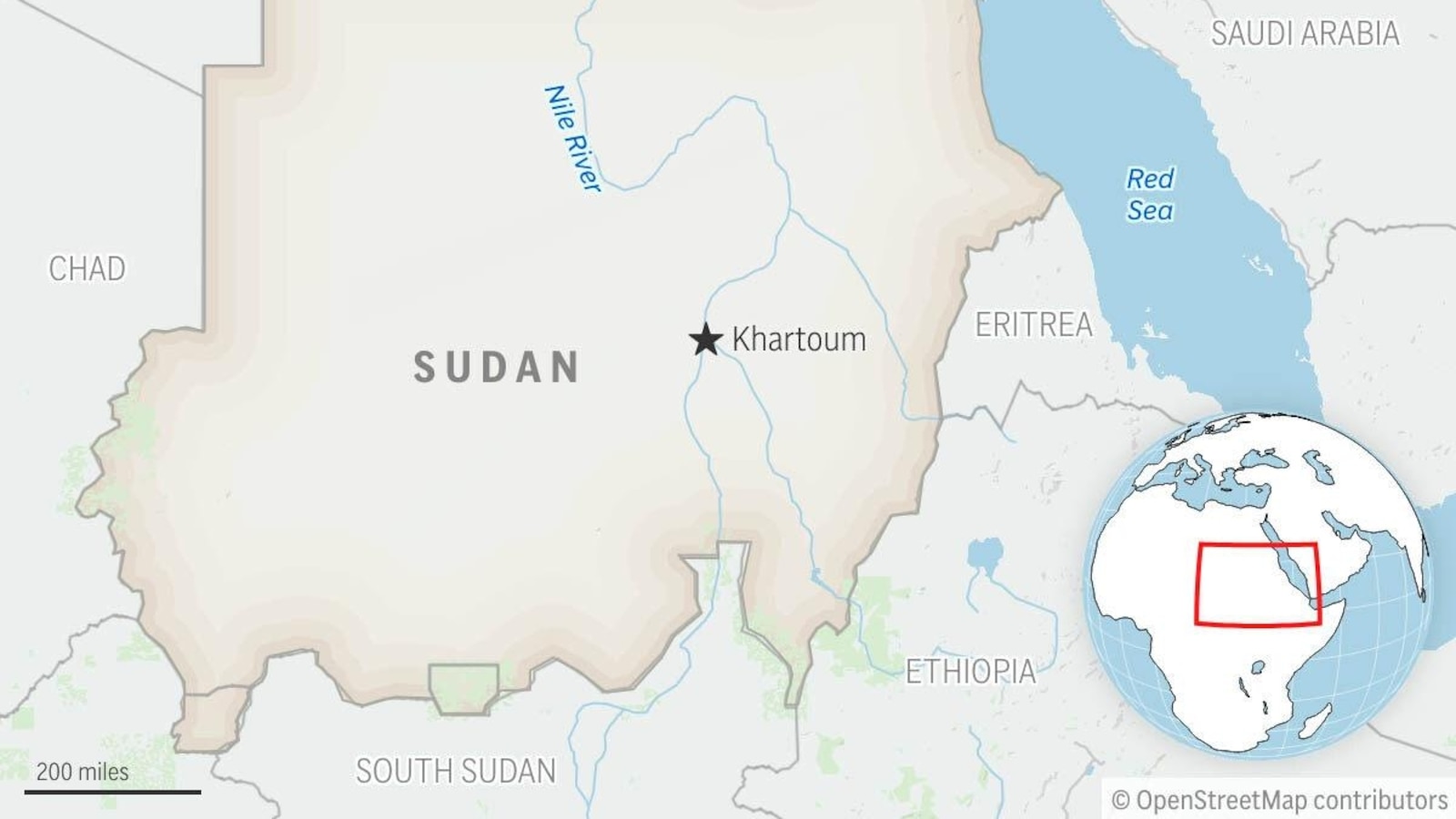
In a heartbreaking incident that has shocked the international community, at least 64 innocent people lost their lives when a hospital in Sudan’s war-torn Darfur region came under attack last Friday. Among the victims were at least 13 children, their young lives cut tragically short in a place that should have been a sanctuary of healing and hope. The World Health Organization confirmed these devastating numbers on Saturday, with WHO Director-General Tedros Ghebreyesus announcing that the Al Daein Teaching Hospital in East Darfur had been struck, leaving the critical medical facility completely non-functional. Beyond those who died, at least 89 others were wounded in the attack, adding to the mounting humanitarian crisis that has gripped Sudan for nearly two years. The destruction of this hospital represents not just a loss of life, but the elimination of vital healthcare infrastructure in a region desperately in need of medical services.
Sudan’s Descent into Chaos and the Ongoing Conflict
To understand the context of this tragic hospital strike, we need to look back to April 2023, when Sudan’s fragile stability completely collapsed. What began as a power struggle between two armed factions—the country’s official military forces and a rival paramilitary group known as the Rapid Support Forces (RSF)—quickly exploded into a full-scale war that has engulfed the entire nation. This conflict isn’t happening in some distant battlefield far from civilian life; it has torn through cities, towns, and villages, turning everyday places like hospitals, schools, and homes into war zones. The fighting has forced millions of Sudanese people from their homes, created severe food shortages, and essentially destroyed the country’s healthcare system at a time when it’s needed most. For nearly two years now, ordinary Sudanese families have been caught in the crossfire of this brutal power struggle, unable to access basic necessities and living in constant fear for their lives.
The Blame Game: Who Was Responsible?
In the immediate aftermath of the hospital strike, a familiar and frustrating pattern emerged: conflicting accounts and finger-pointing between the warring parties. The Rapid Support Forces were quick to blame Sudan’s military for the deadly attack on the Al Daein Teaching Hospital, claiming that the army had deliberately or recklessly struck the medical facility. The military, for its part, has officially denied carrying out any attack on the hospital at all. However, the picture became more complicated when two military officials, speaking on the condition of anonymity because they weren’t authorized to discuss the matter publicly, provided a different version of events. According to these sources, the military had indeed launched a strike in the area, but they insisted the intended target was a nearby police station, not the hospital itself. Whether this represents a case of mistaken targeting, collateral damage, or an attempt to deflect responsibility remains unclear, but the tragic result is the same: dozens of innocent people, including children seeking medical care, are dead.
The Staggering Human Cost of Sudan’s War
The attack on Al Daein Teaching Hospital is just one horrific incident in what has become a catastrophic humanitarian crisis. According to United Nations figures, more than 40,000 people have been killed since the conflict began in April 2023. However, aid organizations and humanitarian experts believe this is a significant undercount, suggesting that the true death toll could be many times higher—potentially reaching into the hundreds of thousands when accounting for deaths from starvation, disease, and lack of medical care caused by the war. What makes the situation even more disturbing is the systematic targeting of healthcare facilities throughout the conflict. The World Health Organization has documented that over 2,000 people have been killed in attacks on medical facilities since the war began. These aren’t just statistics; they represent doctors, nurses, patients, family members, and children who sought help at hospitals and clinics only to find themselves in the crosshairs of a merciless conflict. The destruction of hospitals and healthcare infrastructure has created a cascading crisis, as treatable conditions become death sentences when there’s nowhere to seek medical care.
A Desperate Plea for Peace
The sheer scale of suffering has prompted increasingly urgent calls from the international community for an end to the violence. WHO Director-General Tedros Ghebreyesus expressed the frustration and anguish felt by humanitarian workers witnessing this tragedy unfold, stating plainly: “Enough blood has been spilled. Enough suffering has been inflicted. The time has come to de-escalate the conflict in Sudan.” His words reflect a simple but profound truth that seems to have been lost amid the military calculations and political maneuvering: real people are dying, and they will continue to die in ever-greater numbers if the fighting doesn’t stop. The international community has attempted various diplomatic interventions to broker peace between Sudan’s military and the Rapid Support Forces, but so far these efforts have yielded little progress. Meanwhile, the humanitarian situation continues to deteriorate, with millions facing starvation and disease. The destruction of hospitals like the one in Al Daein means that even when peace eventually comes, Sudan will face the monumental task of rebuilding its healthcare system from scratch.
The Path Forward and International Responsibility
As the world watches this tragedy unfold, difficult questions arise about international responsibility and intervention. Sudan’s conflict has received far less global attention than other contemporary crises, despite the staggering death toll and humanitarian catastrophe. The attack on Al Daein Teaching Hospital should serve as a wake-up call that the situation in Sudan cannot be ignored or relegated to the back pages of newspapers. The protection of medical facilities during armed conflict is a fundamental principle of international humanitarian law, yet these protections are being systematically violated in Sudan with apparent impunity. Moving forward, the international community must find ways to not only push for an immediate ceasefire but also to hold accountable those who attack hospitals and deliberately target civilians. Aid organizations need safe access to affected populations, and humanitarian corridors must be established to allow food, medicine, and other essential supplies to reach those in desperate need. For the survivors of the hospital attack in Al Daein and for millions of other Sudanese people caught in this conflict, time is running out. Every day that passes without meaningful progress toward peace means more lives lost, more families destroyed, and more children who will never have the chance to grow up. The world cannot afford to turn away from Sudan’s suffering any longer.