


U.S. Ambassador Sparks Diplomatic Crisis Over Religious Circumcision Investigation in Belgium
A Diplomatic Confrontation Unfolds
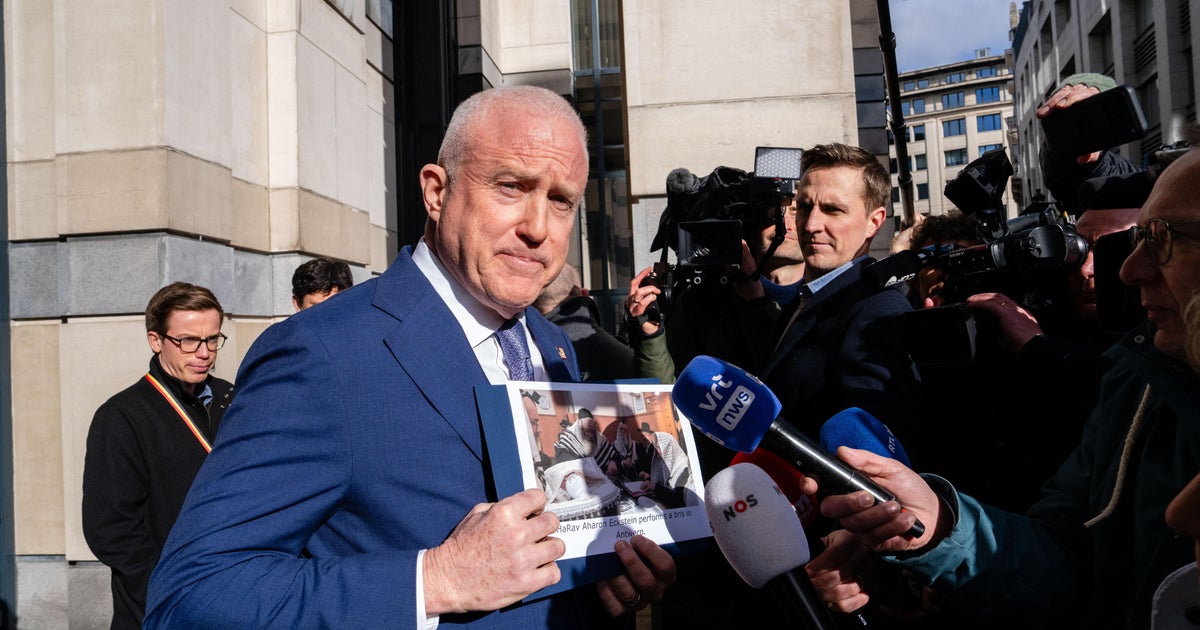
A significant diplomatic rift has emerged between the United States and Belgium following controversial statements made by U.S. Ambassador Bill White regarding an ongoing criminal investigation in the Belgian city of Antwerp. The ambassador’s public accusations of antisemitism against Belgium prompted an extraordinary summons to the Foreign Ministry on Tuesday, marking a rare moment of tension between two longstanding allies. At the heart of this controversy lies a delicate intersection of religious freedom, medical regulation, and international diplomatic protocol that has thrust both nations into an uncomfortable spotlight. Belgian Foreign Minister Maxime Prévot responded forcefully to Ambassador White’s claims, characterizing them as “dangerous disinformation” and calling for the American diplomat to show proper respect for Belgian institutions and the independence of the country’s judicial system. The minister’s rebuke emphasized that personal attacks and interference in domestic legal matters represent a serious breach of established diplomatic norms that govern relationships between friendly nations.
The Investigation That Started It All
The controversy centers on a criminal investigation launched by Belgian authorities into three Jewish religious figures in Antwerp who are suspected of performing traditional circumcisions without the medical qualifications required under Belgian law. According to reports from VRT, Belgium’s public broadcaster, local police conducted searches of the three men’s homes back in May as part of their investigation. The Antwerp Police issued an official statement confirming these searches, though details about the specific allegations and evidence remain limited due to the ongoing nature of the investigation. In Jewish tradition, circumcision is performed by a mohel, a religious official who conducts the ritual ceremony that has been practiced for thousands of years. Traditionally, mohels are not required to have formal medical training, as they learn their craft through apprenticeship and religious study rather than medical school. This practice is widely accepted and legally permitted throughout the United States without restriction, though certain higher-risk aspects of some traditional circumcision methods have occasionally sparked controversy in American communities with large Orthodox Jewish populations, particularly regarding hygiene concerns.
Ambassador White’s Controversial Intervention
Ambassador Bill White’s intervention came in the form of a forceful social media post on Monday, where he characterized the Belgian investigation as nothing less than antisemitic harassment of the Jewish community. In his statement on X (formerly Twitter), White directly called upon Belgium’s health minister to take immediate action by creating “a legal provision to allow Jewish religious MOHELS to perform their duties here in Belgium.” The ambassador’s language was notably blunt and undiplomatic, stating that the practice of ritual circumcision by mohels “is done in all civilized counties [sic] as legal procedure” and declaring that “BELGIUM is a civilized country.” He demanded an end to what he termed “unacceptable harassment of the Jewish community here in Antwerp and in Belgium.” White doubled down on his criticism by adding, “It’s 2026, you need to get into the 21st century and allow our brethren Jewish families in Belgium to legally execute their religious freedoms!” This choice of words—suggesting that Belgium needed to modernize its approach to religious freedom—was particularly provocative, implying that the country was somehow backward in its treatment of religious minorities.
Belgium’s Firm Response and Defense
Foreign Minister Maxime Prévot’s response was swift, comprehensive, and unambiguous in its rejection of Ambassador White’s characterization of Belgium and its legal system. In her own social media post on X, Prévot stated categorically: “Any suggestion that Belgium is antisemitic is false, offensive, and unacceptable. Belgium condemns antisemitism with the greatest firmness. The fight against antisemitism, and all forms of hatred and discrimination, is an absolute priority for our country.” She went further to explain why the ambassador’s accusations were not merely incorrect but potentially harmful, stating: “Labeling Belgium as antisemitic is not just wrong, it’s dangerous disinformation that undermines the real fight against hatred.” This reference to “dangerous disinformation” reflects growing international concern about how false or exaggerated claims can dilute attention from genuine instances of discrimination and hatred. The minister’s position essentially argued that by crying wolf about antisemitism where it doesn’t exist, Ambassador White was making it harder to combat actual antisemitism where it does occur, thereby doing a disservice to Jewish communities everywhere who face real discrimination.
The Escalating War of Words
Undeterred by the Belgian government’s pushback, Ambassador White responded with yet another social media post that further escalated the dispute. In his reply to Minister Prévot, White rejected the idea that Belgium could claim both to be following the law and to be free of antisemitism in this particular case. “It’s not ok to simply say we ‘follow the law’ and ‘we are not antisemitic’. Both of those things can’t be true in this case,” White wrote, essentially arguing that the law itself—or at least its application in this instance—constituted a form of antisemitism regardless of Belgium’s intentions or broader track record on combating discrimination. The ambassador announced his intention to personally visit the three accused men in Antwerp, making what amounts to a public show of solidarity with individuals under criminal investigation in his host country. Additionally, White extended an invitation to Belgium’s minister of health to accompany him on this visit, a move that could be interpreted as either an attempt at dialogue or as continued pressure on Belgian officials to intervene in an independent judicial process.
The Broader Context and Underlying Issues
Minister Prévot attempted to clarify Belgium’s legal position on the matter, explaining that Belgian law does indeed “permit ritual circumcision when performed by a qualified physician under strict health and safety standards.” This statement highlights the fundamental disagreement at the core of this dispute: Belgium requires medical qualification for anyone performing a surgical procedure, even a religious one, while traditional Jewish practice holds that mohels need not be medically trained physicians to perform circumcisions safely and appropriately. The minister appropriately declined to comment further on the specifics of the ongoing investigation, respecting the separation between government and judiciary that is fundamental to democratic governance. This diplomatic crisis raises profound questions about how nations balance religious freedom with public health regulations, how international allies should address perceived injustices in each other’s countries, and what role ambassadors should play in advocating for religious communities in their host nations. The controversy has placed Belgium’s Jewish community, particularly in Antwerp which has historically been home to a significant Orthodox Jewish population, in an uncomfortable position at the center of an international incident. As this situation continues to unfold, it remains to be seen whether diplomatic channels can resolve this dispute or whether the relationship between these two NATO allies will suffer lasting damage from this public confrontation over the boundaries of religious accommodation and state regulation.