


The Arctic’s Black Carbon Crisis: How Shipping Traffic Is Accelerating Ice Melt
A Dangerous Cycle of Warming in the World’s Most Vulnerable Region
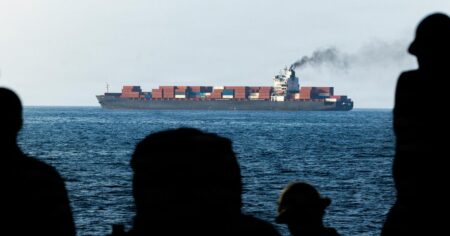
The Arctic Ocean is undergoing a dramatic transformation that’s reshaping global shipping routes and creating an environmental crisis that most people have never heard of. As temperatures climb worldwide, sea ice that once made Arctic waters impassable for most of the year is rapidly disappearing. This has opened up new shipping lanes that companies are eager to exploit, cutting days off traditional routes between Asia and Europe. But this maritime gold rush comes with a steep environmental price tag: massive amounts of black carbon, or soot, pouring from ship exhausts and landing on pristine Arctic ice and snow. This pollution is turning white, reflective surfaces dark, causing them to absorb rather than reflect the sun’s heat, which accelerates melting even further. It’s a vicious cycle that environmental experts warn is spinning out of control. Sian Prior, who advises the Clean Arctic Alliance—a group of organizations focused on protecting Arctic waters—puts it bluntly: “It ends up in a never-ending cycle of increased warming.” The problem isn’t just local either. When Arctic ice melts faster, it doesn’t just affect polar bears and indigenous communities in the far north; it disrupts weather patterns across the entire planet, potentially affecting billions of people. Right now, both shipping emissions generally and black carbon specifically remain completely unregulated in Arctic waters, a regulatory gap that environmental advocates are desperately trying to close.
International Efforts to Clean Up Arctic Shipping
Recognizing the urgency of this problem, several nations have stepped forward with a concrete proposal to address it. In December, France, Germany, Denmark, and the Solomon Islands jointly submitted a plan to the International Maritime Organization (IMO)—the United Nations agency responsible for regulating international shipping. Their proposal would require all ships traveling in Arctic waters to use what they call “polar fuels,” which are lighter, cleaner-burning alternatives to the heavy, dirty fuels that most cargo ships and fishing vessels currently rely on. These conventional maritime fuels, known in the industry as “residuals,” are essentially the bottom-of-the-barrel products left over after crude oil is refined into gasoline, diesel, and other higher-value products. They’re cheap, which is why shipping companies love them, but they’re also incredibly dirty, producing thick black smoke laden with soot particles. The proposal being presented to IMO committees this week and possibly in April includes specific compliance steps for shipping companies and clearly defines the geographic scope: all vessels traveling north of the 60th parallel, which runs through southern Alaska, cuts across Hudson Bay in Canada, passes just south of Iceland’s capital Reykjavik, and crosses through Scandinavia and Russia. Previous attempts to clean up Arctic shipping have had disappointing results. A 2024 ban on using heavy fuel oil in the Arctic sounds impressive on paper, but it’s been riddled with loopholes, waivers, and exceptions that have allowed many ships to continue business as usual, with some vessels granted permission to keep using the dirtiest fuels until 2029.
Why Black Carbon Is Such a Powerful Climate Threat
To understand why environmental scientists are so concerned about black carbon specifically, you need to understand just how potent it is as a warming agent. Studies have found that black carbon has a warming impact approximately 1,600 times greater than carbon dioxide when measured over a 20-year period. That’s an almost incomprehensible multiplier that makes it one of the most powerful climate-changing pollutants we release into the atmosphere. When soot particles from ship exhaust settle on snow, ice, and glaciers, they create dark spots and streaks on surfaces that would otherwise be brilliant white. This matters enormously because of a phenomenon called the albedo effect. White snow and ice reflect most of the sun’s energy back into space, keeping themselves cold. But when they’re covered with even a thin layer of dark soot, they instead absorb solar radiation, heating up and melting faster. This creates a feedback loop: more melting means more open water, which is darker than ice and absorbs even more heat, leading to still more melting. The Arctic is already the fastest-warming region on Earth, heating up roughly twice as fast as the global average, and black carbon from ships is making that acceleration even worse. This isn’t just an environmental problem for Arctic ecosystems; it’s a global climate issue because Arctic sea ice plays a crucial role in regulating the planet’s temperature and weather patterns. Changes in Arctic ice coverage can influence the jet stream, alter precipitation patterns, and contribute to extreme weather events thousands of miles away from the polar region.
Political Headwinds and Economic Interests
Unfortunately, efforts to address Arctic shipping pollution are happening against a backdrop of competing political and economic interests that make progress frustratingly difficult. President Trump’s recent renewed interest in acquiring Greenland has shifted international attention toward questions of sovereignty, security, and NATO relations, pushing environmental concerns to the margins of the conversation. Trump, who has famously dismissed climate change as a “con job,” has actively worked against international climate policies, including those affecting shipping. Last year, the IMO was poised to adopt regulations imposing carbon fees on the shipping industry—a measure that supporters argued would incentivize companies to adopt cleaner fuels and invest in electrifying their fleets where possible. Then Trump personally intervened, lobbying hard to convince nations to vote against the measure. The proposal was postponed for a year, and its future remains uncertain at best. Given this political context, experts are pessimistic about the prospects for quick action on the polar fuels proposal currently before the IMO. Even within Arctic nations—the very countries most directly impacted by black carbon and other shipping pollution—there are significant internal conflicts over such regulations. Iceland provides a revealing case study. While the country is a recognized world leader in green technologies like carbon capture and geothermal heating, environmental advocates say progress on regulating marine pollution has lagged considerably. The reason is straightforward: fishing is one of Iceland’s most economically important industries, and the fishing lobby wields enormous political influence, resisting regulations that might increase operating costs or restrict their activities.
Growing Traffic, Growing Pollution
The scope of the problem is expanding rapidly as Arctic waters become increasingly accessible. According to data from the Arctic Council—an intergovernmental forum comprising the eight nations with Arctic territory—the number of ships entering waters north of the 60th parallel increased by 37% between 2013 and 2023. Even more striking, the total distance traveled by all ships in Arctic waters jumped 111% during that same decade. This surge includes cargo vessels taking advantage of shorter routes, fishing boats pursuing valuable stocks as fish populations shift northward with warming waters, and even some cruise ships offering wealthy tourists the chance to see the Arctic before it disappears. Predictably, black carbon emissions have climbed alongside this traffic boom. Research by Energy and Environmental Research Associates found that ships emitted 2,696 metric tons of black carbon north of the 60th parallel in 2019, a figure that climbed to 3,310 metric tons by 2024. The study identified fishing vessels as the single largest source of this pollution, ahead of cargo ships and other vessel types. The research also confirmed what environmental groups suspected: the 2024 heavy fuel oil ban has produced only marginal improvements in black carbon emissions, largely because of the numerous waivers and exceptions built into the regulations that allow continued use of dirty fuels until 2029. For environmental organizations and concerned governments, this data makes one thing clear: meaningful reduction in black carbon can only come from strictly regulating ship fuels, with minimal exceptions and no loopholes.
Economic Realities and Glimmers of Corporate Responsibility
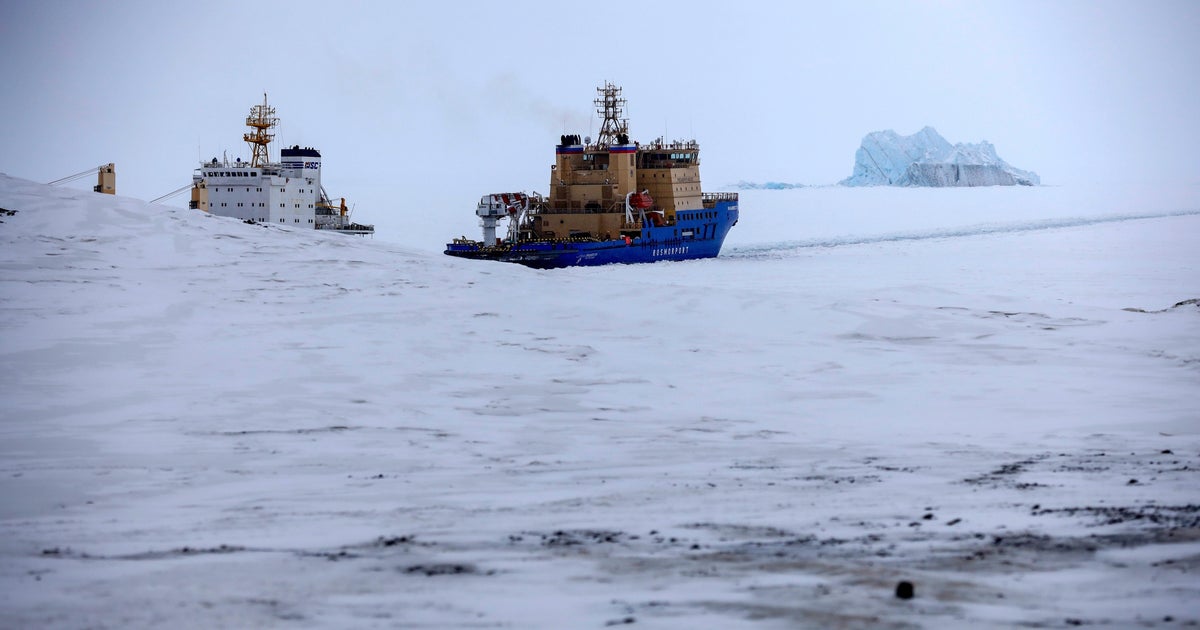
The harsh reality is that getting nations to agree to limit Arctic shipping traffic is probably impossible. The economic incentives are simply too powerful. For shipping companies, Arctic routes offer the tantalizing prospect of cutting several days off journeys between major Asian and European ports, saving fuel costs and allowing faster delivery times. For fishing fleets, Arctic waters represent access to valuable stocks. For resource extraction companies, the region holds vast deposits of oil, gas, and minerals that are becoming more accessible as ice retreats. The dream of a reliably ice-free Northwest Passage or Northern Sea Route that could revolutionize global trade routes continues to drive interest despite the current limitations. Right now, routes like the Northern Sea Route along Russia’s Arctic coast are only navigable a few months each year, and even during those windows, ships typically need to be accompanied by powerful icebreakers to clear their path—an expensive and logistically complex requirement that limits the route’s commercial appeal. Still, as the ice continues to recede, these routes will become more practical, and traffic will only increase unless regulations create meaningful barriers. Interestingly, some shipping companies are voluntarily choosing to stay out of Arctic waters, at least for now. Last month, Søren Toft, CEO of Mediterranean Shipping Company—the world’s largest container shipping operation—posted on LinkedIn to clarify his company’s stance: “The debate around the Arctic is intensifying, and commercial shipping is part of that discussion. Our position at MSC is clear. We do not and will not use the Northern Sea Route.” Whether this position will hold if competitors gain significant advantages from Arctic routes remains to be seen, but it demonstrates that at least some major players in global shipping recognize that the environmental costs of Arctic operations extend beyond simple regulatory compliance to broader questions of corporate responsibility and long-term sustainability in an era of climate crisis.