
Justice Department Makes Animal Welfare a Top Priority Under AG Pam Bondi
A New Direction for Federal Law Enforcement
In a significant shift of priorities at the Department of Justice, Attorney General Pam Bondi has issued a comprehensive directive that places animal welfare enforcement at the forefront of federal law enforcement efforts. The Wednesday announcement, delivered through an internal memo to all Justice Department staff, outlines an ambitious plan to dramatically increase prosecutions of animal cruelty cases and provide substantial support to organizations dedicated to protecting animals. This initiative represents a notable expansion of the federal government’s role in combating animal abuse, signaling that these crimes will receive the same serious attention traditionally reserved for other federal offenses. Bondi, a known animal lover who owns two rescue dogs frequently seen being walked around the Justice Department by staff members, has made it clear that protecting animals is not just a professional priority but a personal mission. “Animals are part of our families: we will always fight to protect the pets we love,” Bondi stated, adding that she has “fought against animal abuse my entire career and will never stop working to prosecute the sick individuals who prey upon innocent animals.”
The Comprehensive Plan: Tiger Teams and Strategic Committees
The Attorney General’s memo outlines several concrete measures designed to strengthen animal welfare enforcement across the country. Perhaps most notably, the Justice Department will establish a specialized law enforcement “tiger team” – a term typically used in government to describe an elite, focused task force assembled to tackle specific challenges. This team will provide critical support during the execution of search warrants and the seizure of animals from abusive situations, bringing federal resources and expertise to what have often been local enforcement efforts. Additionally, Bondi has called for the creation of a strategy committee tasked with developing comprehensive guidelines for animal welfare prosecutions. This committee will oversee the creation of a prosecution manual specifically designed for animal welfare cases, providing federal and local prosecutors with standardized tools and best practices for building strong cases against animal abusers. The committee will also be responsible for implementing a national strategy to combat what Bondi’s memo refers to as “animal welfare crimes,” suggesting a coordinated, systematic approach rather than the piecemeal enforcement that has characterized much of this work in the past.
Grant Funding Amid Controversy
One of the more controversial aspects of Bondi’s directive involves the Office of Justice Programs, which she has instructed to fund grants specifically for animal welfare groups and local law enforcement agencies working on animal protection. While this funding commitment demonstrates the administration’s dedication to the cause, it comes at a particularly awkward time for the grant-making office. The Office of Justice Programs is currently grappling with unprecedented delays in processing and distributing awards that have traditionally supported critical community programs. These grants have historically funded local police departments, juvenile justice initiatives, and vital services for victims of human trafficking and other forms of violence. The situation became even more complicated last year when the department made the controversial decision to abruptly terminate approximately 350 grants. These canceled grants had been supporting a wide range of essential services, including community-based crime prevention programs working in partnership with local law enforcement, services for victims of crime and sexual violence, and programs providing mental health and substance abuse assistance. The decision to prioritize animal welfare grants while these other programs face uncertainty has raised questions about the administration’s priorities and the allocation of limited federal resources.
The Path to the Policy: Interagency Collaboration
The announcement didn’t emerge in a vacuum but rather represents the culmination of months of planning and coordination across multiple federal agencies. Several months before Bondi’s public announcement, the Justice Department convened a roundtable discussion that brought together officials from various agencies, including the Department of Agriculture and the Department of Health and Human Services. Notably, the meeting also included Lara Trump, who serves on the board of Big Dog Ranch Rescue, a nonprofit animal welfare organization. According to documents reviewed by CBS News, this gathering served as a brainstorming session where many of the ideas eventually incorporated into Bondi’s memo were first discussed and developed, including the concept of the specialized “tiger team.” The collaborative approach continued into the announcement phase, with the Department of Agriculture and several other agencies making their own Wednesday announcements detailing the specific actions they would take to support the broader animal welfare initiative. This coordinated rollout across multiple government departments suggests a well-planned, comprehensive approach to addressing animal welfare issues at the federal level.
Current State of Animal Welfare Enforcement
To understand the significance of Bondi’s directive, it’s important to recognize how animal welfare enforcement currently operates in the United States. The primary responsibility for enforcing the Animal Welfare Act falls to the Department of Agriculture’s Animal and Plant Health Inspection Service, known as APHIS. This agency sends inspectors to a diverse array of businesses and facilities – ranging from commercial dog breeding operations to major zoos and everything in between – to conduct compliance inspections and ensure these entities are meeting federal animal welfare standards. The vast majority of cases that arise from these inspections are handled through administrative processes rather than criminal prosecutions, typically involving fines, corrective action plans, or license suspensions. When cases do rise to the level of criminal prosecution, they are generally handled either by the Justice Department’s Environment and Natural Resources Division or by individual U.S. Attorney’s offices across the country. In recent years, the bulk of criminal cases pursued by federal prosecutors have involved animal fighting operations, particularly dogfighting rings. However, one case from the Biden administration stands out as potentially foreshadowing the type of aggressive enforcement Bondi envisions: the prosecution of Envigo, an animal research breeder.
A Landmark Case and the Road Ahead
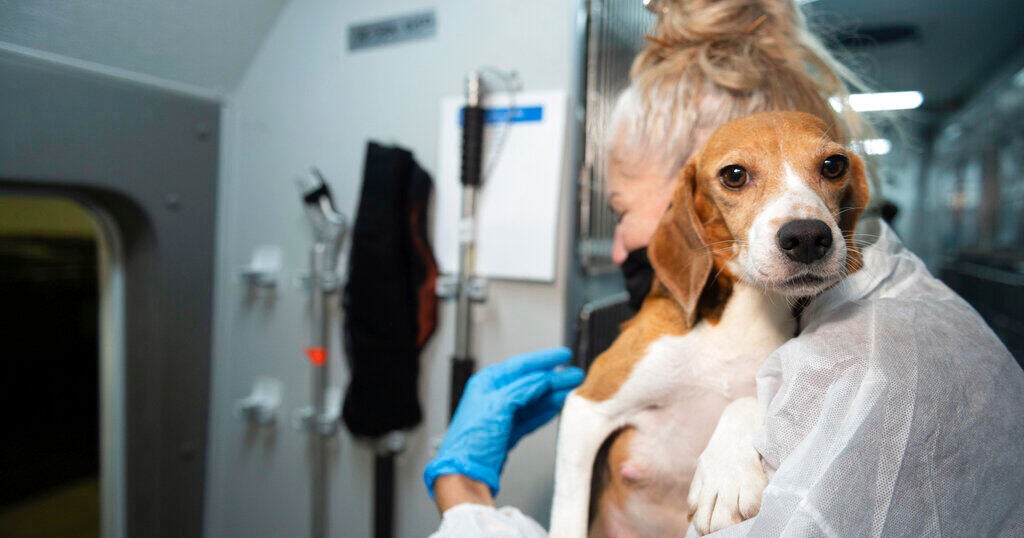
The Envigo case demonstrates both the impact that vigorous federal enforcement can have and potentially serves as a model for the kind of prosecutions the Justice Department may pursue under Bondi’s directive. After investigators discovered the systematic mistreatment of thousands of beagles at one of Envigo’s facilities, the Justice Department pursued both animal welfare and environmental charges against the company. The 2024 settlement proved historic in scope: Envigo agreed to pay $22 million in direct fines, with $11 million of that amount representing the largest fine ever imposed by the Justice Department in an animal welfare case. Beyond the record-breaking fine, the company was required to pay an additional $13.5 million designated for supporting animal welfare projects, funding environmental initiatives, covering law enforcement expenses, and upgrading its own facilities to prevent future violations. The case also had a tangible impact on individual animals, with Envigo forfeiting approximately 4,000 beagles in 2022. These dogs were subsequently made available for adoption, with some finding homes with high-profile adopters including Meghan Markle and Prince Harry. As the Justice Department moves forward with Bondi’s enhanced animal welfare enforcement initiative, the Envigo case may well serve as a template – demonstrating that federal authorities can pursue significant penalties while also ensuring that abused animals are rescued and given second chances at good lives. Whether this new emphasis on animal welfare enforcement will ultimately strike the right balance with other justice priorities remains to be seen, but there’s no question that Attorney General Bondi has signaled a major shift in how the federal government approaches crimes against animals.