
FBI Raid on Georgia Elections Office Sparks Political Firestorm
High-Profile Search Operation Raises Questions About Electoral Integrity Investigation
In a dramatic development that has sent shockwaves through the political landscape, the FBI recently executed a search warrant at the Fulton County elections office in Georgia, specifically targeting materials connected to the contentious 2020 presidential election. The raid wasn’t just a routine operation—it involved some of the highest-ranking officials in the current administration’s intelligence apparatus. Deputy FBI Director Andrew Bailey personally attended the scene, alongside Director of National Intelligence Tulsi Gabbard, whose presence at an active FBI search operation has become a major point of controversy among Democratic lawmakers and civil liberties advocates. According to statements from Gabbard’s spokesperson, both President Trump and Attorney General Pam Bondi specifically requested her presence during the search, suggesting the operation carried significant weight at the highest levels of government. The agents were looking for physical evidence, including actual ballot materials from the 2020 election, indicating that the investigation may be examining the handling, counting, or storage of votes from that pivotal election cycle.
The Origin Story: How a White House Lawyer Triggered a Federal Investigation
The story behind this FBI search reads like a political thriller, with its origins traced directly back to the corridors of power in Washington. According to the FBI affidavit submitted to a U.S. magistrate judge to obtain the search warrant, the criminal investigation didn’t begin with typical law enforcement channels—instead, it originated from a referral sent by Kurt Olsen, an attorney currently working within the White House. Olsen’s background adds layers of complexity to this situation that cannot be ignored. He’s not just any government lawyer; he’s someone with a documented history of working to challenge and overturn the results of the 2020 presidential election during the tumultuous period following that vote. His involvement in the events of January 6, 2021, has been documented by the House select committee that investigated the Capitol attack, with records showing he spoke with President Trump multiple times on that fateful day when Congress gathered to certify President Biden’s electoral victory. The fact that someone with Olsen’s specific background and history initiated the referral that led to this search has raised eyebrows across the political spectrum, with critics questioning whether this represents legitimate law enforcement or politically motivated investigation.
Trump’s Persistent Claims and the Shadow of 2020
At the heart of this developing situation lies President Trump’s unwavering insistence that the 2020 election was fundamentally flawed. Despite numerous court cases, recounts, audits, and investigations by election officials across the country—including many from his own party—that found no evidence of widespread fraud that would have changed the outcome, Trump has continued to claim, without providing substantiating evidence, that the election was “rigged” against him. His public statements have repeatedly called for prosecutions related to that election, suggesting that criminal wrongdoing occurred during the vote counting and certification process. This latest FBI action in Fulton County appears to align with those long-standing demands, representing perhaps the most significant federal law enforcement action directly connected to Trump’s claims about the 2020 election. Fulton County, which includes Atlanta, has been a particular focus of Trump’s ire since 2020, as the heavily Democratic county’s vote totals helped secure Georgia’s electoral votes for Biden. The county was also at the center of Trump’s controversial phone call to Georgia Secretary of State Brad Raffensperger, in which he asked the official to “find” enough votes to overturn the state’s results—a call that itself became the subject of a separate criminal investigation by state authorities.
A Broader Pattern: The Justice Department’s Nationwide Voter Data Collection Effort
The Fulton County search doesn’t exist in isolation—it’s part of a much broader pattern of actions by the Justice Department under the current administration focused on elections and voter information. In what has become one of the most sweeping data collection efforts in recent memory, the Justice Department began requesting complete voter registration lists from nearly all 50 states shortly after President Trump’s return to office. These aren’t simple lists of names; they include highly sensitive personal information such as birth dates, full addresses, and partial Social Security numbers—the kind of data that election security experts warn could be vulnerable to misuse or security breaches. The scope of this request has been unprecedented, and the response from states has been mixed, reflecting the deep political divisions in the country. At least eleven states have complied with the request, either turning over their complete voter rolls or publicly stating their intention to do so. However, the resistance has been substantial, with twenty-four states plus Washington, D.C., refusing to hand over their voter registration data, citing privacy concerns, state sovereignty issues, and questions about the legal authority and stated purpose behind the requests. This resistance has led the Justice Department to take the extraordinary step of filing lawsuits against these non-compliant jurisdictions, attempting to compel them through the courts to surrender the information.
Legal Battles and State Resistance to Federal Demands
The legal confrontation between the federal government and resisting states over voter registration data has created a complex patchwork of ongoing litigation across the country. While the Justice Department has demonstrated its willingness to pursue legal action to obtain this information, the effort hasn’t been entirely successful. Notably, lawsuits against three states—California, Oregon, and Michigan—have already been dismissed by courts, suggesting that judges in those jurisdictions found the federal government’s legal arguments insufficient to overcome state objections and privacy protections. These dismissals represent significant setbacks for the administration’s data collection efforts and may embolden other states currently facing similar lawsuits to maintain their resistance. The legal theories being tested in these cases could have far-reaching implications for the balance of power between federal and state governments when it comes to election administration, which has traditionally been understood as primarily a state responsibility under the Constitution. Election law experts have been watching these cases closely, as the outcomes could establish precedents that shape how voter information is handled and who has access to it for years to come, potentially affecting everything from election security measures to voter privacy protections.
Looking Ahead: Questions of Accountability and Political Motivation
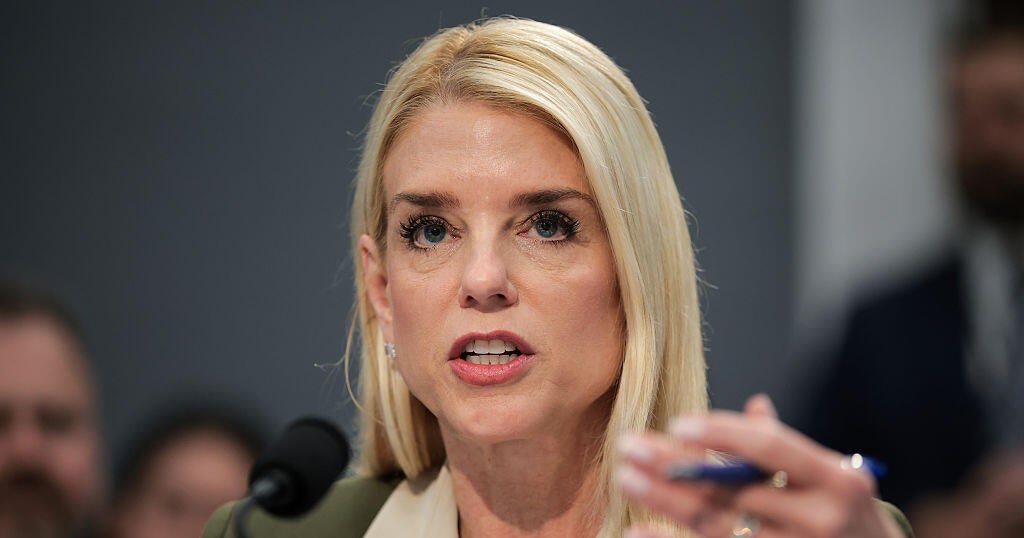
As Attorney General Pam Bondi prepares to testify about these developments, the nation finds itself at a crossroads concerning fundamental questions about election integrity, the appropriate use of federal law enforcement powers, and the danger of weaponizing the justice system for political purposes. Supporters of these investigations argue that ensuring election integrity requires thorough investigation of any credible allegations of wrongdoing, and that no jurisdiction should be immune from federal oversight when potential violations of federal election law may have occurred. They maintain that the Justice Department is simply doing its job by following up on referrals and ensuring that elections are conducted according to law. Critics, however, see a troubling pattern of the current administration using the machinery of federal law enforcement to pursue the president’s long-standing grievances about the 2020 election, potentially undermining public confidence in both the electoral process and the independence of the Justice Department itself. The involvement of political appointees like Gabbard in active law enforcement operations, the central role of someone like Olsen with a documented history of election denialism in initiating investigations, and the nationwide effort to collect sensitive voter data all contribute to concerns that these actions are driven more by political considerations than by genuine law enforcement objectives. As this story continues to unfold, with Bondi’s testimony likely to provide more details about the reasoning and scope of these efforts, Americans across the political spectrum will be watching carefully to see whether these actions ultimately strengthen faith in electoral integrity or further erode the norms that have traditionally kept law enforcement independent from political influence. The answers to these questions may well shape not just the investigation of past elections, but the conduct and public perception of future ones as well.