



The Meaning Crisis: Why Young People Are Struggling to Find Purpose
A Professor’s Troubling Discovery
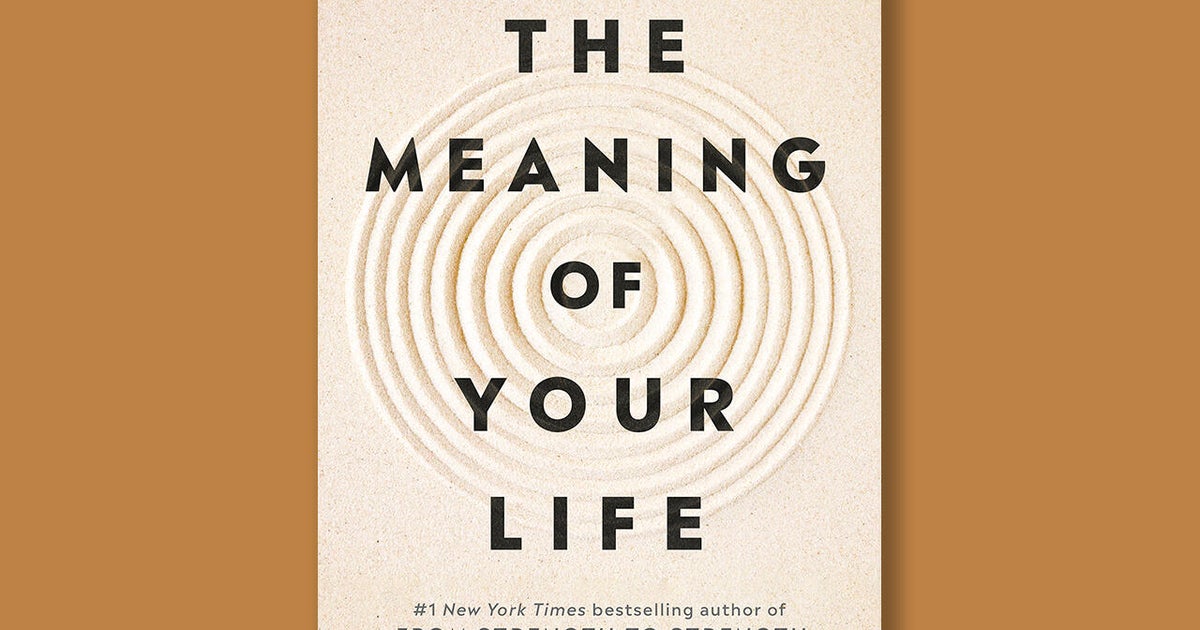
When Arthur C. Brooks returned to academic life in 2019 after spending a decade leading a nonprofit organization in Washington, DC, he expected to rediscover the energy and optimism that had always characterized campus life. Instead, he encountered something deeply unsettling. The vibrant atmosphere he remembered had transformed into something darker and more troubled. Students who should have been thriving were instead struggling with unprecedented levels of anxiety and depression. What were once straightforward office hours had morphed into impromptu counseling sessions. The hopeful curiosity that typically defines young adulthood seemed to have been replaced by fear, anger, and profound sadness. Both students and faculty appeared to be walking on eggshells—students feared encountering ideas that made them uncomfortable, while professors worried about accidentally offending anyone in their lectures.
An Epidemic Without a Physical Cause
What Brooks witnessed on campus wasn’t an isolated phenomenon—it reflected a much broader crisis affecting society at large, particularly young adults. The statistics paint a sobering picture of declining mental health across America. Between 2005 and 2019, the rate of major depression symptoms among American adolescents nearly tripled, while anxiety rates almost doubled during the same period. Perhaps even more striking, the number of adults describing themselves as “not too happy” with their lives more than doubled between 2000 and 2023. Young women have been hit especially hard by this trend, with 45 percent of females aged twelve to twenty-six receiving formal diagnoses of anxiety or depression by 2024. Among women under thirty, those reporting “excellent” mental health plummeted from 48 percent to just 15 percent over a twenty-year span. Social scientists call this a “psychogenic epidemic”—a wave of suffering that has no biological or organic cause but instead stems from social and psychological factors.
The Blame Game Gets Us Nowhere
As people have tried to make sense of this mental health crisis, two competing narratives have emerged, each pointing fingers at a different generation. One popular explanation suggests that young people received false promises from their elders—they were told that hard work and following the rules would lead to fulfilling lives, but instead they face impossibly expensive housing markets, increasingly difficult conditions for raising families, and the prospect of bankrupt social security and healthcare systems by the time they reach retirement age. Add to this environmental threats, rising inequality, and various other challenges, and you have a generation feeling betrayed by those who came before them. On the flip side, older generations often dismiss these concerns, characterizing young adults as indulgent, narcissistic, and entitled. When they hear complaints about how difficult life has become, many older people recall their own experiences with serious environmental pollution, Cold War nuclear threats, and humble living conditions when they were starting out. However, both of these explanations miss the mark—they reduce a complex philosophical and psychological crisis to simple generational selfishness, which is nothing new in human history.
The Social Media Connection
A more substantive explanation focuses on how people spend their time, particularly their relationship with technology and smartphones. Research, including Brooks’ own studies, reveals a clear connection between social media usage and emotional distress. The pattern is straightforward and troubling: the more time someone spends staring at their phone, the more likely they are to experience depression, loneliness, and anxiety. However, this observation raises a deeper question that statistics alone cannot answer. What are people missing in their lives that drives them to spend hours scrolling through social media? The excessive use of technology appears to be a form of self-soothing behavior—people turn to their phones because something essential is absent from their lives, yet this very behavior makes that missing element even harder to find. It’s similar to how people might abuse alcohol or recreational drugs when they lack hope, opportunity, or love in their lives, creating a vicious cycle where the coping mechanism actually worsens the underlying problem.
Listening to Individual Stories
To understand what young people are truly craving but cannot find, Brooks realized he needed to go beyond data and statistics. He began conducting in-depth interviews, asking people to share their personal stories and experiences. These conversations revealed patterns that numbers alone couldn’t capture. Interview after interview illuminated a truth that the statistics had only hinted at: the challenge facing this generation runs much deeper than economic concerns about housing affordability or generational characteristics like entitlement. What emerged from these personal narratives was evidence of something more profound and troubling—a fundamental crisis of meaning. The successful strivers at prestigious universities and in competitive careers weren’t failing because they lacked opportunities or resources; they were struggling because they couldn’t find purpose and significance in their lives.
The Age of Emptiness
Brooks identifies our current era as an “Age of Emptiness,” where the traditional sources of meaning and purpose that previous generations relied upon have become harder to access or less satisfying. This cultural crisis of meaning explains why the people who appear most successful by conventional standards—those attending elite universities, landing prestigious jobs, and checking off all the boxes of achievement—are often suffering the most. They’ve followed the prescribed path to success but found it doesn’t lead to fulfillment. The emptiness they experience isn’t about material deprivation or lack of opportunity; it’s about the absence of something more fundamental to human wellbeing. Understanding this crisis requires us to look beyond surface-level explanations about economics, technology, or generational differences and grapple with deeper questions about what gives life meaning and how we can help people—especially young people—find and cultivate purpose in an increasingly complex and disconnected world. The solution won’t be found in simply managing anxiety or depression as isolated symptoms, but in addressing the underlying emptiness that drives both the mental health crisis and the behaviors that make it worse.