
The Controversy Over Masked Immigration Agents: A Deep Dive into America’s Border Enforcement Debate
Safety Concerns Drive ICE Agents to Wear Masks Despite Public Criticism
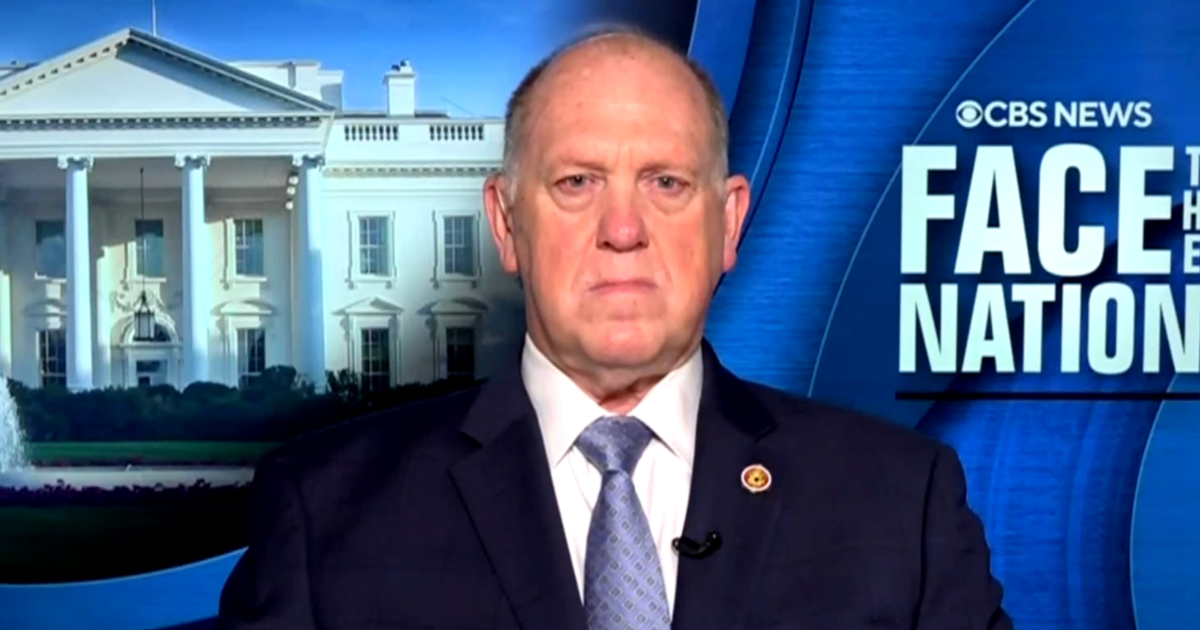
In a candid television appearance that highlights the growing tensions surrounding immigration enforcement in America, White House border czar Tom Homan addressed one of the most visible and controversial aspects of recent ICE operations: agents wearing masks while conducting their duties. Speaking on CBS’s “Face the Nation,” Homan acknowledged that he personally isn’t fond of the practice, but he defended it as a necessary safety measure in an increasingly hostile environment for immigration officers. According to Homan, Immigration and Customs Enforcement officers are facing unprecedented levels of violence and intimidation, with assaults reportedly surging by 1,500% and threats skyrocketing by a staggering 8,000%. While the Department of Homeland Security confirmed a similar increase of over 1,300% in assaults in late January, neither Homan nor official releases provided specific timeframes or detailed sources for these dramatic figures. Regardless of the exact numbers, Homan’s message was clear: federal immigration enforcement officers are working in an environment where they feel their personal safety is at serious risk, and the masks serve as a shield against potential retaliation from those who oppose their work or wish to identify them for harassment or worse.
Government Shutdown Exposes Deep Political Divide Over Immigration Enforcement
The debate over masked agents isn’t happening in a vacuum—it’s unfolding against the backdrop of a partial government shutdown that began early on a Saturday morning, centered specifically on the Department of Homeland Security’s funding. This political standoff represents a fundamental disagreement between congressional Democrats and the current administration about how immigration enforcement should be conducted in America. Lawmakers left Washington on Thursday without reaching any agreement on DHS funding, and they’re not expected to return to negotiations until late February, leaving the department in limbo and heightening uncertainty for both enforcement officers and immigrant communities across the country. The shutdown and the broader debate have taken on added urgency and emotion following a tragic incident in Minnesota in January, where federal agents fatally shot two individuals, Renee Good and Alex Pretti, during an immigration enforcement operation. This deadly encounter has become a rallying point for those calling for sweeping reforms to how ICE and Customs and Border Protection conduct their operations, with many arguing that the current system lacks adequate accountability and oversight mechanisms to prevent such tragedies from occurring.
Democrats Push for Sweeping Reforms to Immigration Enforcement Practices
Democratic lawmakers have put forward a comprehensive list of demands they say must be met before they’ll agree to fund the Department of Homeland Security. These requirements represent what many consider common-sense reforms that would bring immigration enforcement more in line with standard law enforcement practices used by police departments across the country. Chief among these demands is requiring immigration agents to wear body cameras during enforcement actions—a practice that has become increasingly standard in police departments nationwide as a way to ensure accountability and provide an objective record of encounters between officers and the public. Democrats are also insisting that agents be required to display visible identification while on duty and be prohibited from wearing masks that conceal their identities, arguing that anonymous enforcement creates an atmosphere of fear and prevents accountability when misconduct occurs. Additionally, they’re calling for concrete measures to prevent racial profiling, which civil rights advocates have long argued is a pervasive problem in immigration enforcement, leading to the targeting of individuals based on their appearance or accent rather than actual evidence of immigration violations. Perhaps most significantly, Democrats want to require judicial warrants for arrests on private property, arguing that the current system—which allows ICE to conduct arrests based on administrative warrants—doesn’t provide sufficient protection for individuals’ Fourth Amendment rights against unreasonable searches and seizures.
Border Czar Rejects Key Democratic Demands as Unreasonable and Unnecessary
Tom Homan, while emphasizing that he’s not directly involved in the negotiations over DHS funding, didn’t mince words in dismissing several of the Democrats’ key demands as “unreasonable” and unnecessary. On the issue of racial profiling, Homan was particularly adamant in his defense of current ICE practices, flatly stating, “That’s just not occurring” and “There is no racial profiling.” He explained that ICE officers detain and question individuals based on “reasonable suspicion” rather than racial characteristics, suggesting that critics fundamentally misunderstand how immigration enforcement actually works in practice. Regarding the demand for judicial warrants before arrests can be made on private property, Homan pointed to current federal law, which doesn’t require such warrants for immigration enforcement actions. He argued that ICE is simply operating “within the framework of federal statutes enacted by Congress and signed by a president,” and if Democrats want different standards, they should change the law through the legislative process rather than holding up funding for the entire department. This response highlights a fundamental philosophical divide: Democrats view these demands as necessary reforms to bring immigration enforcement in line with constitutional protections and basic accountability standards, while Homan and other administration officials see them as unnecessary restrictions that would hamper ICE’s ability to carry out its mission of enforcing immigration laws and removing individuals who are in the country illegally.
Democratic Leaders Stand Firm Despite Government Shutdown Consequences
Despite the government shutdown and the potential consequences for homeland security operations, Democratic leaders are showing no signs of backing down from their demands. House Minority Leader Hakeem Jeffries, speaking in a separate interview on “Face the Nation,” made it clear that Democrats view this as a pivotal moment requiring fundamental changes to how immigration enforcement is conducted. Jeffries insisted that “dramatic change” is necessary “before any DHS funding bill moves forward,” characterizing the Democratic demands not as radical requests but as “common sense things” that should be uncontroversial in a democratic society that values accountability and constitutional rights. His firm stance suggests that Democrats view public opinion as being on their side, particularly in the wake of the fatal shooting in Minnesota and numerous reports of immigration enforcement actions that have separated families and created fear in immigrant communities across the country. Representative Robert Garcia of California, who serves as the top Democrat on the House Oversight Committee, took aim at Republicans who have privately expressed concerns about ICE’s conduct but haven’t been willing to support concrete reforms. Garcia acknowledged that “you begin to hear some Republicans show some concern,” but he challenged them to “show more courage” by supporting the reforms Democrats are demanding rather than simply offering vague statements of concern while ultimately voting with their party.
The Broader Implications of America’s Immigration Enforcement Crisis
This standoff over DHS funding and immigration enforcement practices represents more than just another political battle in Washington—it reflects deeper questions about what kind of country America wants to be and how it should balance enforcement of immigration laws with protection of individual rights and human dignity. The image of masked federal agents conducting immigration raids has become a powerful symbol for both sides of this debate: for immigration restrictionists and enforcement advocates, the masks represent the unfortunate but necessary measures officers must take to protect themselves while doing a difficult and dangerous job that elected officials have asked them to do; for immigration advocates and civil liberties organizations, those same masks represent an erosion of accountability and the rise of a faceless enforcement apparatus that operates with insufficient oversight and transparency. As the government shutdown continues and neither side shows signs of compromise, the real-world consequences are mounting—not just for the Department of Homeland Security and its employees, but for immigrant communities living in fear of enforcement actions and for Americans concerned about both border security and civil liberties. The eventual resolution of this crisis, whenever it comes, will likely shape immigration enforcement practices for years to come and send important signals about the balance between security and accountability in American law enforcement.