


The Departure of Greg Bovino: A Controversial Figure in Immigration Enforcement
The End of a Turbulent Tenure
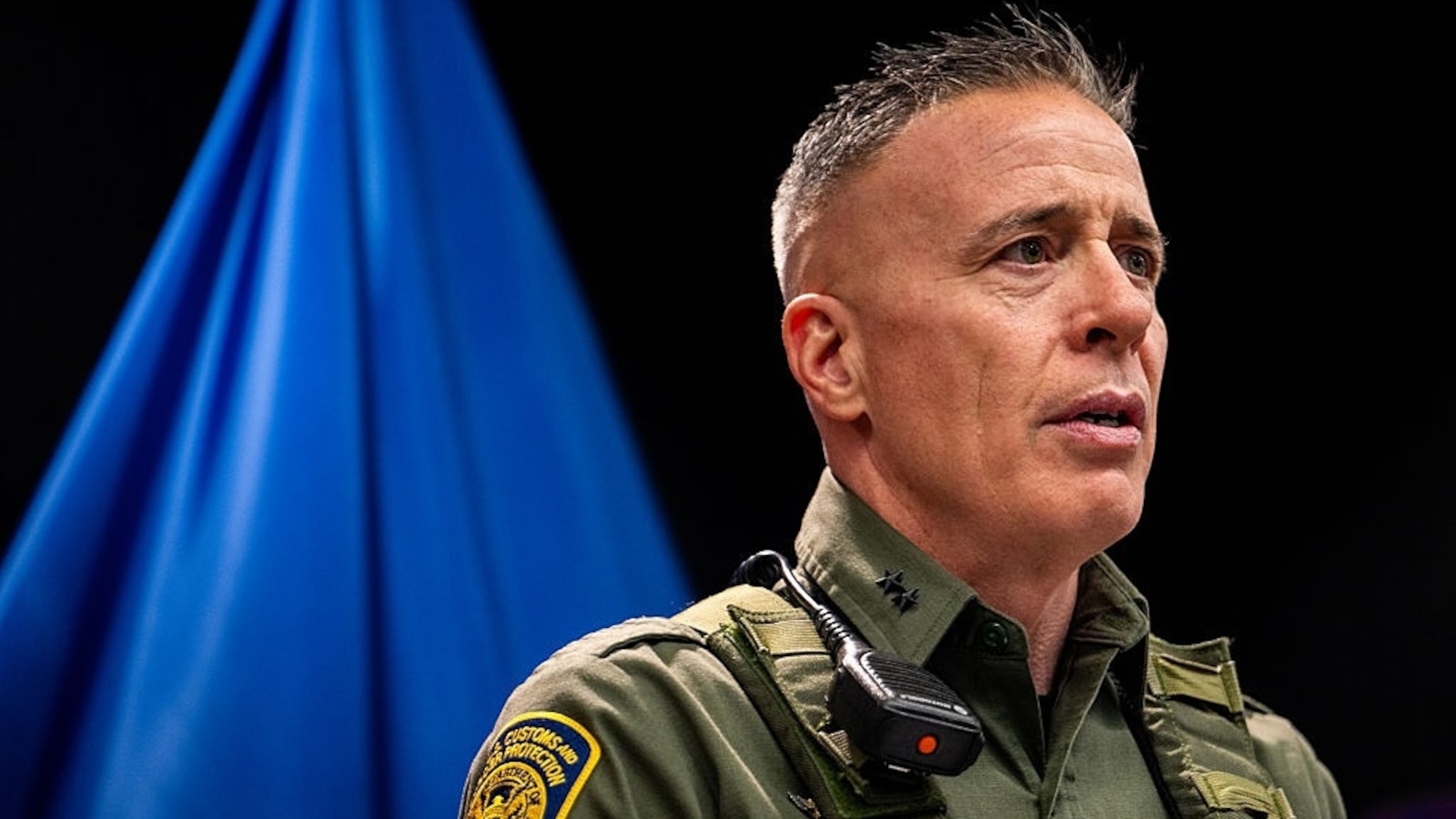
Greg Bovino, who served as the commander-at-large for Customs and Border Protection’s immigration enforcement operations, is poised to step away from his role at the end of this month, according to multiple officials with knowledge of his plans who spoke with ABC News. His tenure has been marked by high-visibility operations and significant controversy, making him one of the most recognizable faces of the current administration’s immigration enforcement strategy. Leading a team of approximately 200 agents, Bovino orchestrated operations that made headlines across the nation in major cities including Los Angeles, Chicago, Charlotte, New Orleans, and Minneapolis. Despite the widespread reports of his impending departure, the Department of Homeland Security has stated that Bovino has not yet officially submitted the paperwork required for retirement, leaving some uncertainty about the exact timeline and circumstances of his exit from federal service.
A Career Defined by Controversial Tactics
Bovino’s rise to prominence within CBP began when he served as the chief of the agency’s El Centro sector before being elevated to the commander-at-large position. His approach to immigration enforcement became a lightning rod for criticism from multiple quarters, including career officials within both Customs and Border Protection and Immigration and Customs Enforcement. The operational methods he employed drew particular scrutiny for their theatrical nature and the way they seemed to prioritize visibility over effectiveness. His close relationships with outgoing Secretary of Homeland Security Kristi Noem and Chief Advisor Corey Lewandowski positioned him uniquely within the departmental hierarchy. In fact, previously reported emails revealed that Bovino circumvented traditional reporting structures, answering directly to Lewandowski and Secretary Noem rather than following the standard chain of command that would have had him reporting to CBP Chief Rodney Scott. This unconventional arrangement raised eyebrows among career officials and contributed to the perception that Bovino’s operations were as much about politics and optics as they were about actual immigration enforcement.
The Minneapolis Incidents That Changed Everything
The trajectory of Bovino’s career took a dramatic turn earlier this year following two tragic incidents involving federal officers that resulted in the deaths of American citizens in Minneapolis. These events proved to be a turning point, leading to his removal from the commander-at-large duties that had defined his recent work. The situation became so tense and politically charged that Border Czar Tom Homan was dispatched to Minneapolis specifically to help manage the deteriorating relationship between state and local leaders and the Department of Homeland Security. One particularly tragic case involved 37-year-old Alex Pretti, a legal observer who was fatally shot during a confrontation with federal agents. The Trump administration had deployed an estimated 3,000 federal agents to the Minneapolis area, with plans to send even more as part of an aggressive push to apprehend undocumented immigrants in the region. The scale of the operation and the resulting casualties created a firestorm of controversy that ultimately undermined Bovino’s position and called into question the tactics being employed in the name of immigration enforcement.
Scathing Criticism from Within the Movement
Perhaps most damning for Bovino’s legacy are the harsh words coming from figures who might have been expected to be his allies. RJ Hauman, president of the National Immigration Center for Enforcement and a key figure in the mass deportation movement, offered a blistering assessment of Bovino’s work and welcomed his departure. Hauman pointed out what he saw as deep contradictions in Bovino’s record, noting that during the four years of the Biden administration, Bovino served as a sector chief in El Centro where, according to Hauman, he “quietly processed illegals on an industrial scale.” Hauman suggested that Bovino only became active when political winds shifted and the border was secured “with a pen in Washington.” His critique painted a picture of an official who prioritized personal publicity over effective enforcement, someone who was given “a microphone and a costume” by Noem and Lewandowski and suddenly fashioned himself as “the Punisher.” Hauman argued that while Bovino’s operations created the appearance of mass deportation through “daily standoffs, tear gas theatrics, and tough guy photo ops,” a more effective strategy would have involved quietly conducting surprise raids at worksites. In Hauman’s view, the entire operation was designed more to generate social media followers and attention than to actually accomplish the goal of removing people who were in the country illegally, calling the whole endeavor “a sham.”
The View from Career Officials and State Leaders
The criticism of Bovino wasn’t limited to immigration hardliners disappointed by what they saw as style over substance. Career officials within the federal agencies responsible for border security and immigration enforcement also harbored significant concerns about how Bovino conducted his operations. Multiple sources indicated that his methods had drawn the ire of professionals in both CBP and ICE who felt his approach undermined their work and damaged the agencies’ reputations. One source expressed surprise that it had taken “this long” for Bovino to retire, suggesting that many within the agencies had been expecting—and perhaps hoping for—his departure for some time. This same source made the striking claim that Bovino is “single-handedly responsible for where the polling is on immigration,” implying that his high-profile, controversial tactics had contributed to shifting public opinion against aggressive immigration enforcement. At the state level, Illinois Governor JB Pritzker emerged as one of Bovino’s most vocal critics, repeatedly clashing with him during “Operation Midway Blitz” in Chicago. Pritzker made clear that he doesn’t view Bovino’s retirement as the end of the story, stating emphatically on social media that “Greg Bovino won’t just get to walk away—he will be held accountable and responsible for the damage he’s done to our nation.” The governor’s statement that “nobody is above the law” suggested that he may pursue some form of legal or political consequences for Bovino’s actions.
A Legacy That Will Spark Debate for Years
As Bovino prepares to leave federal service, the legacy he leaves behind is complicated and will likely be debated for years to come. To his supporters, he represented a willingness to take tough action on immigration enforcement and to make it visible to the American public. To his critics—and they appear to be numerous and span the political spectrum—he exemplified an approach that valued publicity over results, that led to unnecessary confrontations and tragic loss of life, and that ultimately may have set back the cause of immigration enforcement by making it appear cruel and ineffective. The fact that criticism of Bovino comes not just from immigration advocates and Democratic politicians, but also from within the immigration enforcement movement itself and from career professionals in the agencies he worked for, suggests that his tenure will not be remembered fondly by many. The deaths in Minneapolis, the theatrical nature of his operations, his unusual reporting relationships, and the questions about what was actually accomplished despite all the attention his work received—all of these factors will contribute to how history judges his time as commander-at-large. As of now, neither Bovino nor Secretary Noem has responded to requests for comment about his departure, leaving many questions unanswered about his perspective on his work and what comes next for immigration enforcement operations in the wake of his exit.