


The Royal Family Returns: A Symbol of Resilience at Windsor’s Easter Service
A United Front After Turbulent Times
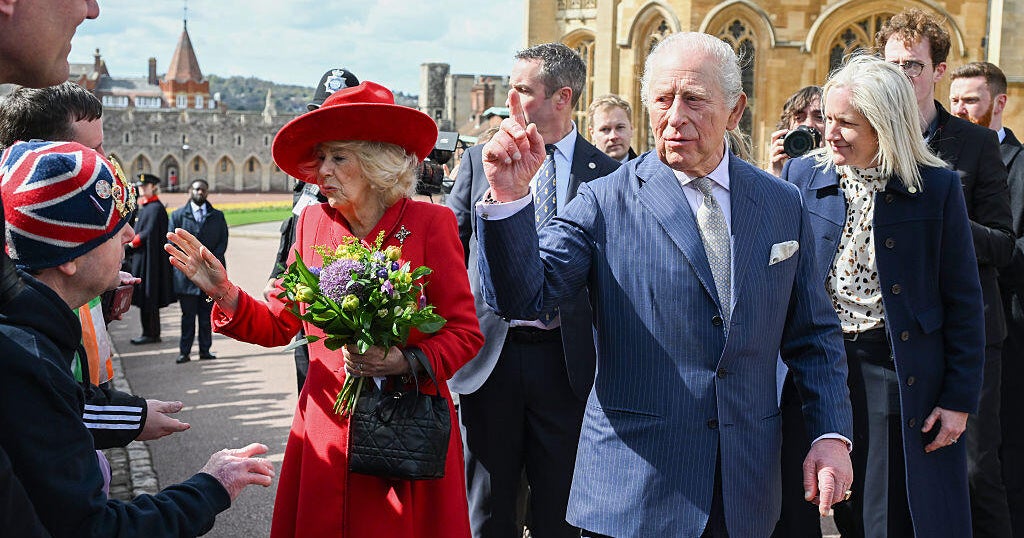
The picturesque grounds of Windsor Castle witnessed a poignant moment in British royal history this past Sunday as the royal family gathered for their traditional Easter service at the historic St. George’s Chapel. This wasn’t just another ceremonial appearance—it marked the first time the family had come together publicly since the shocking arrest of Andrew Mountbatten-Windsor back in February, a scandal that has sent shockwaves through the monarchy and captivated public attention worldwide. King Charles III, now 77, arrived alongside his wife, Queen Camilla, their presence radiating a sense of stability during what has undeniably been one of the most challenging periods for the British monarchy in recent memory. The appearance was carefully orchestrated to project unity and continuity, demonstrating that despite the storms battering the institution, the royal family remains resilient and committed to their public duties. The service itself, steeped in centuries of tradition, provided the perfect backdrop for this show of solidarity, with the ancient chapel’s Gothic architecture serving as a reminder of the monarchy’s enduring place in British life.
The Wales Family’s Triumphant Return
Perhaps the most emotionally significant aspect of Sunday’s gathering was the presence of Prince William and Catherine, Princess of Wales, accompanied by their three children—Prince George, Princess Charlotte, and Prince Louis. For those who have followed the royal family’s journey over the past two years, seeing Kate walk confidently into the chapel represented nothing short of a triumph of the human spirit. The Princess had been notably absent from Easter services for two consecutive years while bravely battling cancer, a diagnosis that shocked the nation and reminded everyone that even royals face the same health struggles as ordinary people. Her treatment journey had been kept relatively private, with only occasional updates provided to the public, making her return to public life all the more meaningful. As the family waved to well-wishers gathered outside the chapel, Princess Kate appeared radiant and healthy, her smile genuine and warm. The sight of the young princes and princess walking alongside their parents also struck a chord with onlookers, representing not just the present generation of royals but the future of the monarchy itself. George, Charlotte, and Louis, dressed in their Sunday best, seemed comfortable in the spotlight, suggesting they’re being well-prepared for their eventual roles in public life while still being allowed to enjoy their childhood.
Extended Family Support Amid Absence
The Easter service also featured other prominent members of the royal family, including King Charles’s brother, Prince Edward, who attended with his son, demonstrating the broader family’s support during this complex time. Princess Anne, the King’s sister known for her tireless work ethic and no-nonsense approach to royal duties, was also present alongside her husband. Their attendance underscored the family’s commitment to maintaining traditions and presenting a united front, regardless of the controversies swirling around certain members. The gathering painted a picture of a family choosing to focus on continuity and service rather than allowing scandals to completely define them. However, the absences were equally notable and spoke volumes about the current state of affairs within the royal household. Andrew Mountbatten-Windsor, the King’s brother who has been stripped of his royal title and now faces serious legal scrutiny, was conspicuously missing from the service—a stark contrast to last year when he attended. Also absent were his ex-wife, Sarah Ferguson, and their daughters, Princesses Beatrice and Eugenie, who had been present at previous Easter celebrations. According to reports from BBC, the King’s cousin network, Beatrice and Eugenie received the King’s agreement to make alternative plans for Easter, a diplomatic solution to what could have been an awkward situation given the ongoing fallout from their father’s association with convicted sex offender Jeffrey Epstein and his subsequent arrest.
The Andrew Crisis: A Shadow Over the Monarchy
The absence of the former prince loomed large over the proceedings, even if it wasn’t explicitly acknowledged during the service itself. Andrew’s arrest on suspicion of misconduct in public office has created one of the most serious crises the modern monarchy has faced, rivaling even the tumultuous period following Princess Diana’s death in terms of potential damage to the institution’s reputation. King Charles’s decision to strip his brother of his royal title was not made lightly—it represented a clear statement that no one, regardless of birth or position, is above accountability. The investigation into Andrew’s conduct continues, with the former prince maintaining his innocence and denying any wrongdoing related to his connections with Jeffrey Epstein, the financier whose sex trafficking crimes shocked the world before his death in custody. For Beatrice and Eugenie, the situation places them in an impossibly difficult position—they are daughters who love their father but also princesses who understand the importance of the monarchy’s reputation and integrity. Their decision to skip the Easter service, made with the King’s blessing, likely spared everyone involved from uncomfortable questions and media speculation that would have overshadowed what should have been a celebration of faith and family. The handling of Andrew’s situation will likely be studied by royal historians for generations as an example of how modern monarchies navigate the tension between family loyalty and institutional preservation.
Looking Forward: Charles’s Historic American Journey
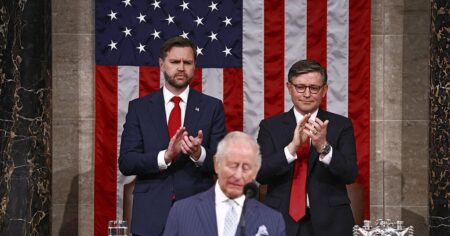
Despite the challenges at home, King Charles is pressing forward with his royal duties and international obligations. Later this month, he is scheduled to make a state visit to the United States, marking his first official trip to America as monarch. The highlight of this visit will be an address to a joint meeting of Congress on April 28, a significant honor that underscores the enduring “special relationship” between the United Kingdom and the United States. This won’t be Charles’s first time on American soil—far from it. During his decades as Prince of Wales, he visited the United States an impressive 19 times, developing relationships with American leaders, participating in charitable initiatives, and promoting causes close to his heart, particularly environmental conservation and sustainable architecture. However, addressing Congress as King adds a new dimension to his American engagements, providing him with a platform to speak not just as a concerned individual but as the head of state of one of America’s closest allies. The timing of this visit is particularly interesting given the domestic challenges facing the monarchy. Some observers see it as an opportunity for Charles to remind the world that the British crown remains relevant on the international stage, capable of fostering diplomatic relationships and contributing to global conversations about pressing issues. Others wonder if the trip might provide a welcome distraction from the Andrew scandal and other family difficulties. Regardless of the motivation, the visit represents a significant moment in Charles’s still-relatively-new reign.
The Monarchy at a Crossroads: Tradition Meets Modern Challenges
As the royal family departed St. George’s Chapel on Sunday, the images captured by photographers told a complex story about the modern monarchy. On one hand, there was the comforting continuity of tradition—the same chapel, the same Easter service, the same commitment to faith and duty that has characterized the British royal family for generations. The presence of three generations of royals, from King Charles to young Prince Louis, reinforced the institution’s longevity and its careful preparation for succession. On the other hand, the notable absences and the circumstances surrounding them highlighted the unprecedented challenges facing today’s monarchy. Unlike their predecessors, contemporary royals live in an age of 24-hour news cycles, social media scrutiny, and evolving public expectations about accountability and transparency. The decision to publicly distance Andrew from royal duties and strip him of his title would have been unthinkable in previous eras when the monarchy operated with far less public scrutiny and far more deference from the press and public. Princess Kate’s battle with cancer and her openness about it (even while maintaining appropriate privacy) represents another shift—previous generations of royals would never have acknowledged such personal health struggles. As King Charles prepares for his American journey and the family continues to navigate the Andrew crisis while supporting Kate’s recovery, they’re essentially writing a new playbook for how a 21st-century monarchy operates. The Easter service at Windsor, then, was more than just a religious observance—it was a statement about resilience, adaptation, and the determination to preserve an ancient institution while acknowledging that it must evolve to survive in the modern world.