


The Fall of a Cartel Kingpin: Inside the Guilty Plea of CJNG Co-Founder Erick Valencia Salazar
A California Man’s Double Life Comes to an End
In a dramatic turn of events that highlights the long reach of international justice, Erick Valencia Salazar, a 49-year-old man from Santa Clara, California, stood before a federal judge in Washington, D.C., and admitted his role in building one of Mexico’s most feared criminal organizations. On Tuesday, Valencia Salazar pleaded guilty to conspiring to distribute cocaine destined for American streets, a charge that carries serious consequences—a mandatory minimum of ten years behind bars and potentially a life sentence. His sentencing, scheduled for July 31st before Chief Judge James Boasberg, marks a significant milestone in the ongoing battle against drug trafficking organizations that have wreaked havoc on both sides of the border. This case is particularly noteworthy because Valencia Salazar wasn’t just any member of a drug cartel—he was a co-founder of the Jalisco New Generation Cartel (CJNG), an organization that has become synonymous with extreme violence and sophisticated drug trafficking operations throughout Mexico and into the United States.
Building an Empire of Violence and Terror
Valencia Salazar’s journey into the upper echelons of organized crime began with his involvement in the Milenio Cartel, but his ambitions extended far beyond being just another member. Together with Nemesio Oseguera Cervantes—better known by his chilling nickname “El Mencho”—Valencia Salazar created the CJNG, an organization that would eventually become one of Mexico’s most powerful and ruthless criminal enterprises. Within this violent empire, Valencia Salazar, who went by the alias “El 85,” commanded the loyalty of hundreds of cartel members and held significant responsibilities that went well beyond simple drug trafficking. His duties included recruiting new members, gathering intelligence on rival organizations, and perhaps most disturbingly, using that information to orchestrate targeted killings of the cartel’s enemies. According to prosecutors, Valencia Salazar played a crucial role in helping the CJNG establish territorial control over key drug trafficking routes throughout Mexico, using violence and intimidation as primary tools. The Justice Department’s statement painted a picture of a man whose decisions directly contributed to the destabilization of entire regions in Mexico, as the cartel fought bloody battles with competitors to dominate the lucrative drug trade flowing northward into the United States.
The Split and the Birth of La Nueva Plaza
Even within the violent world of drug cartels, alliances are fragile and often short-lived. At some point, Valencia Salazar’s relationship with “El Mencho” fractured, leading him to break away from the CJNG and establish his own criminal organization called La Nueva Plaza. This split wasn’t just a business disagreement—in the cartel world, such divisions often lead to violent confrontations as former allies become bitter enemies competing for the same territories and trafficking routes. While the specific reasons for the split haven’t been fully detailed in court documents, the fact that Valencia Salazar felt confident enough to create his own cartel speaks to the power and connections he had accumulated during his time with the CJNG. Meanwhile, “El Mencho” continued to lead the Jalisco cartel until his death in February, when Mexican army forces tracked him down and killed him during a military operation. The U.S. government had placed a staggering $15 million bounty on “El Mencho’s” head, reflecting just how dangerous and influential he had become. When authorities entered his hideout after the fatal raid, they found religious items including a crucifix, candles, and a handwritten psalm—a stark contrast to the violence this man had unleashed throughout his criminal career.
A Cat-and-Mouse Game with Mexican Authorities
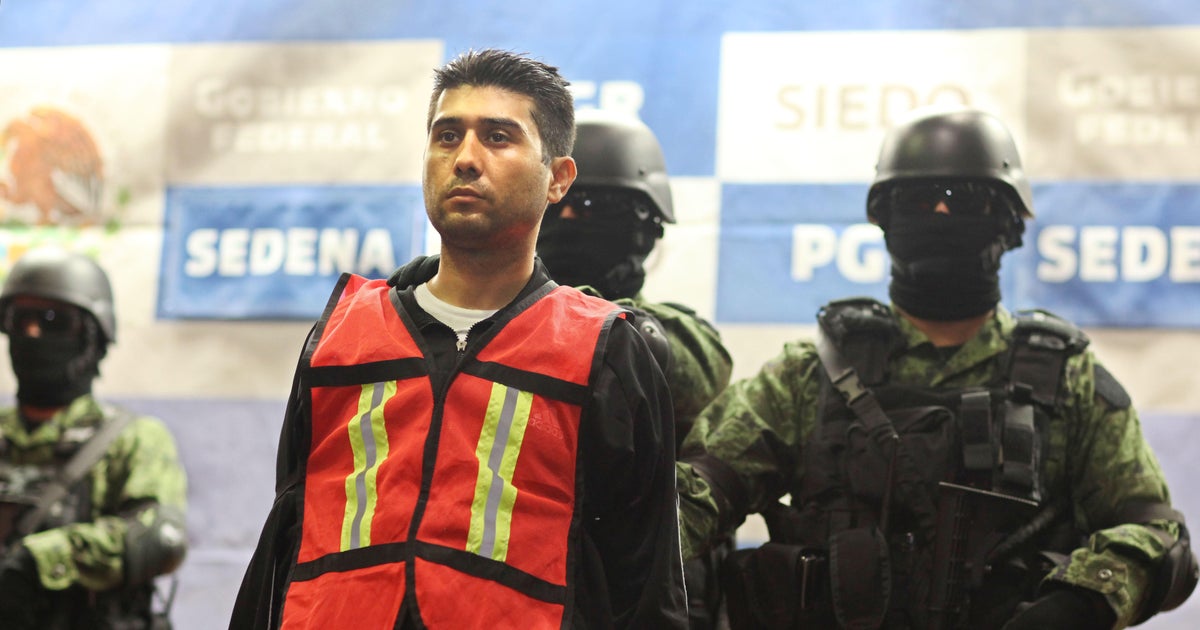
Valencia Salazar’s criminal career was punctuated by encounters with law enforcement that highlighted both the challenges of prosecuting cartel figures in Mexico and the persistence of authorities determined to bring them to justice. His first arrest came in 2012 when the Mexican military detained him in Zapopan, a municipality near Guadalajara, the capital of Jalisco state—the cartel’s namesake territory. However, justice proved elusive, as five years later, in 2017, a judge ordered his release from prison, citing alleged procedural flaws in the case against him. This type of outcome isn’t uncommon in Mexico, where cartel figures with resources and connections can sometimes exploit legal technicalities or corrupt officials to secure their freedom. Valencia Salazar’s liberty didn’t last indefinitely, though. In 2022, the Mexican Army recaptured him in the town of Tapalpa—the very same location where “El Mencho” would later be tracked down and killed. The U.S. State Department had been offering a reward of up to $5 million for information leading to Valencia Salazar’s arrest or conviction, demonstrating American authorities’ keen interest in bringing him to justice. Finally, in February 2025, as part of an extradition group of 29 drug lords, Mexican authorities transferred Valencia Salazar to the United States, where he would face federal charges that he could no longer escape.
The Devastating Impact on Communities and Nations
The human cost of the CJNG’s operations cannot be overstated, and officials were clear about the responsibility that Valencia Salazar bears for this suffering. A. Tysen Duva, the assistant attorney general overseeing the Justice Department’s criminal division, didn’t mince words when describing the cartel’s impact, stating that the CJNG has inflicted “immeasurable damage” on the United States. Beyond the drug addiction, overdose deaths, and related crime that the cartel’s cocaine shipments have caused in American communities, Duva emphasized that Valencia Salazar was personally responsible for “furthering the rampant violence in Mexico, at the expense of people’s lives and the safety of communities.” This violence has helped destabilize entire regions, creating environments where crime flourishes and ordinary citizens live in fear. The brutal reality of this instability was on full display when “El Mencho” was killed in February—the operation and subsequent clashes between security forces and CJNG gunmen resulted in violence spreading across some 20 Mexican states, with over 70 people losing their lives, including 25 Mexican National Guard troops. The Trump administration’s decision last year to designate the CJNG and other cartels as foreign terrorist organizations reflects a recognition that these groups pose threats comparable to international terrorist networks, using fear, violence, and intimidation to pursue their objectives and wielding military-grade weapons in their conflicts.
Justice Delayed but Not Denied: Looking Forward
Valencia Salazar’s guilty plea represents more than just one man accepting responsibility for his crimes—it symbolizes the international commitment to dismantling the powerful criminal networks that profit from human misery while destabilizing entire regions. A grand jury indicted him on the conspiracy charge back in 2018, and while the wheels of justice turned slowly, they ultimately brought him to this moment of accountability. As he awaits sentencing on July 31st, Valencia Salazar faces the reality that he will likely spend a significant portion, if not all, of his remaining years behind bars in the American federal prison system, far from the territories he once helped control through violence and fear. The case also highlights the importance of cooperation between the United States and Mexico in combating transnational criminal organizations—without Mexican authorities’ willingness to arrest and ultimately extradite Valencia Salazar, this prosecution would never have been possible. Meanwhile, the CJNG continues to operate despite the loss of its original leaders, a reminder that dismantling these organizations requires sustained effort targeting not just individuals but the entire infrastructure that allows them to function. The death of “El Mencho,” who was buried last month in a shiny golden casket surrounded by enormous flower wreaths and a large military presence, and the prosecution of Valencia Salazar send clear messages to cartel members: no matter how powerful you become or how long you evade justice, law enforcement agencies on both sides of the border are committed to holding you accountable for the damage you’ve inflicted on countless communities and families.