
America and Iran Face Off in High-Stakes Nuclear Negotiations
Diplomatic Dance Under the Shadow of Military Threat
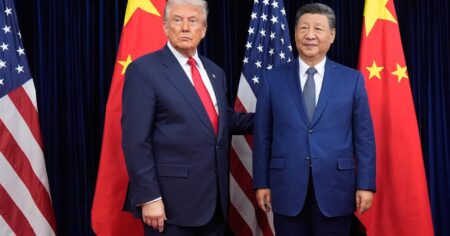
The world watches with bated breath as American and Iranian negotiators return to the table in Switzerland, attempting to find common ground on one of the most contentious international issues of our time. These aren’t your typical face-to-face negotiations—the two sides sit in separate rooms, with Omani diplomats shuttling between them, trying to bridge what seems like an impossible divide. At the heart of it all is Iran’s nuclear program, a topic that has vexed multiple American presidents and threatens to ignite a conflict that could engulf the entire Middle East. President Trump has made his position crystal clear: Iran will not be allowed to develop nuclear weapons, and he’s willing to back up that ultimatum with the largest American military buildup in the Middle East in decades. Meanwhile, Iranian officials insist they have no intention of building a bomb, claiming their nuclear program is purely for peaceful purposes like medical research and energy production. The tension is palpable, and the stakes couldn’t be higher—not just for these two nations, but for millions of people across the region who could find themselves caught in the crossfire of a new war.
A History of Broken Promises and Failed Agreements
To understand where we are today, we need to look back at how we got here. During the Obama administration, after months of painstaking negotiations, the United States and other world powers reached an international agreement with Iran designed to monitor and restrict its nuclear enrichment activities. That deal was meant to ensure transparency and keep Iran’s nuclear ambitions in check. But when Trump first entered the White House, he took a sledgehammer to that agreement, calling it “horrible” and pulling America out entirely. Now, back in office for a second time, Trump is essentially telling Iran: make a new deal on my terms, or face devastating military strikes. In June of last year, according to the president, the U.S. “obliterated Iran’s nuclear weapons program” with targeted attacks, though the UN’s International Atomic Energy Agency has raised questions about whether that claim is entirely accurate. Trump now alleges that despite those strikes, Iran is trying to rebuild what was destroyed. This back-and-forth has created a climate of deep mistrust on both sides, with each accusing the other of bad faith and hidden agendas.
What Each Side Is Really Asking For
The public statements from both American and Iranian officials reveal just how far apart they remain. During his recent State of the Union address, President Trump doubled down on his hardline stance, warning that Iran is “pursuing their sinister ambitions” and restarting their nuclear program. He’s made it clear he prefers diplomacy but won’t hesitate to use military force if necessary. On the other side, Iranian Foreign Minister Abbas Araghchi has publicly declared that his country will “under no circumstances ever develop a nuclear weapon,” calling this moment “a historic opportunity” to reach an agreement that serves everyone’s interests. But here’s where it gets complicated: Araghchi also insists on Iran’s right to “harness dividends of peaceful nuclear technology,” including uranium enrichment for civilian purposes. This is the central point of contention. Trump and his ally Israel want Iran to completely abandon all domestic uranium enrichment—to simply stop doing it altogether. For Iranian leaders, this is a red line they cannot cross. They argue that as a signatory to the Nuclear Non-Proliferation Treaty, they have every legal right to enrich uranium for peaceful purposes, and they won’t be treated differently from other countries. Araghchi has said Iran is willing to commit to not enriching uranium above certain levels and is already not doing so following last summer’s strikes, but they want recognition of their fundamental rights. These competing demands create a puzzle that seems nearly impossible to solve without one side making major compromises.
Expert Warnings: “War Looks Inevitable”
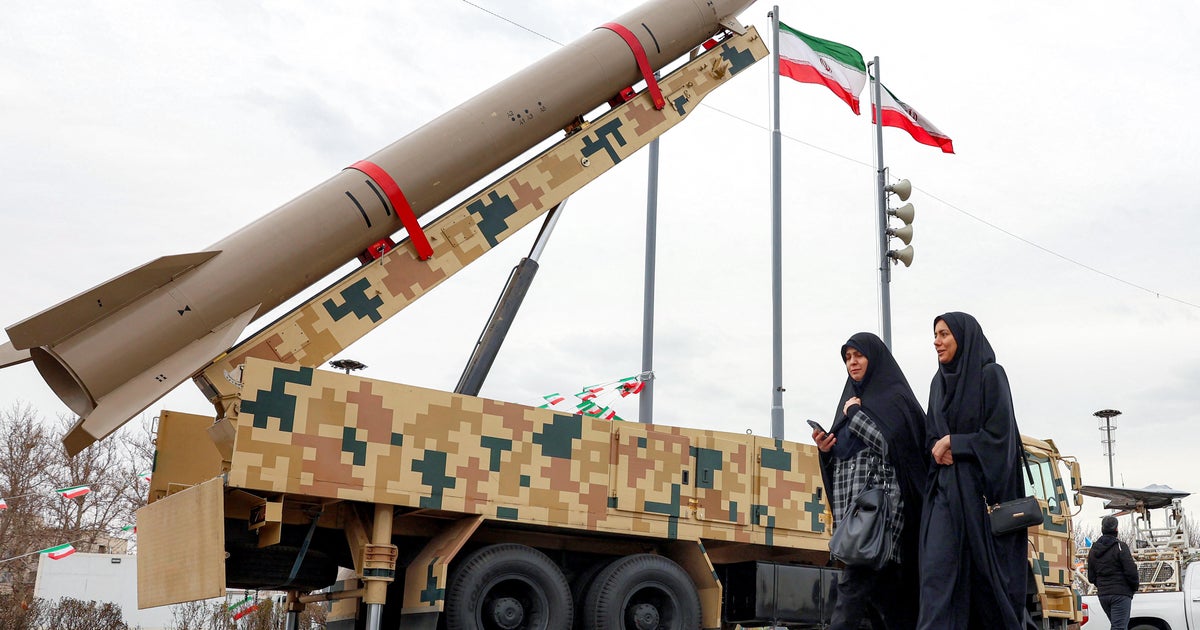
Not everyone believes these talks will succeed. Sanam Vakil, who directs the Middle East program at London’s Chatham House think tank, offered a sobering assessment: she believes a military clash is not just possible but “inevitable,” and it could happen within days. Her reasoning is straightforward—Trump is demanding Iran’s complete submission to terms that the country’s leadership simply cannot or will not accept. Meanwhile, prominent Iranian-American journalist Masih Alinejad echoes these concerns, pointing out that the “maximum concessions” Iran’s religious leaders can offer probably won’t meet the “minimum requirements” the White House has set. Both sides have drawn their red lines, and neither seems willing to blink first. Vakil explains that what Iran can realistically offer is a commitment to refrain from high-level uranium enrichment for several years, which they’re already doing in practice. What they want in return is recognition of their rights as a non-proliferation treaty member—to be treated like other countries and allowed to conduct low-level enrichment for things like medical isotopes. But this may not be enough for an administration that has staked its credibility on getting a “much better deal” than the one Obama negotiated. There’s also the issue of Iran’s massive ballistic missile arsenal, which Iranian leaders have threatened to use against U.S. military bases throughout the Middle East if attacked. Any deal that leaves Iran’s nuclear infrastructure and missile program intact would be seen as a failure by Trump’s base and by Israel, creating enormous political pressure for a military solution.
The Terrifying Prospect of a New “Forever War”
If diplomacy fails and Trump orders military strikes against Iran, what happens next? This is the question keeping military planners and regional experts awake at night. Iranian Foreign Minister Araghchi has made Iran’s response strategy clear: if America attacks, Iran will defend itself by striking U.S. military installations across the Middle East. Iran’s missiles can’t reach American soil, so regional bases become the obvious targets. What worries many observers is that U.S. military commanders have reportedly told a frustrated President Trump that there may be no quick, clean military option available—no magic strike that will force Iran to surrender to American demands. According to sources who spoke to CBS News, any military action could turn into a protracted, grinding conflict with no clear endpoint. This creates a painful irony for Trump, who built much of his political brand on opposing “forever wars” and criticizing the disastrous 2003 Iraq invasion. Alinejad raises the crucial question: what’s the grand strategy here? Yes, American forces could inflict tremendous damage on Iranian facilities, but those facilities can be rebuilt. The military can’t stay in the Persian Gulf indefinitely, and then what? Iranian leaders understand Trump’s aversion to long conflicts and are apparently hoping this will push him toward accepting a diplomatic compromise rather than risking another multi-year quagmire. The prospect of American forces getting bogged down in yet another Middle Eastern conflict—one that could potentially spread to involve other countries in the region—represents a nightmare scenario that nobody wants but that seems increasingly difficult to avoid.
The Iranian People Caught in the Middle
Perhaps the most heartbreaking aspect of this crisis is its potential impact on ordinary Iranians, who find themselves trapped between an authoritarian government they didn’t choose and international forces beyond their control. Both Vakil and Alinejad emphasize that the Islamic Republic is deeply unpopular among its own citizens. Alinejad points out that the majority of Iranian people “detest” their government and desperately need help standing up to the Revolutionary Guards and other security forces that maintain the regime’s grip on power. She expresses hope that if the U.S. takes military action, it might create an opening for change, giving the Iranian people a chance to break free from their oppressors. But Vakil sounds a more cautionary note, acknowledging that while Iranians are “fed up and done with the Islamic Republic” and “deeply despise Iran’s supreme leader,” there’s tremendous anxiety about what comes after. Nobody has presented a clear plan for “the day after” a potential conflict. The current regime, for all its unpopularity, has shown it’s willing to use brutal force to maintain control. Beyond the immediate violence of any military conflict, there are longer-term fears about Iran fragmenting into chaos, descending into civil war, or experiencing the kind of sectarian violence that tore apart Iraq and Syria. These ordinary Iranians—mothers and fathers, students and workers, people just trying to live their lives—face the terrifying prospect of being caught in the crossfire of decisions made in distant capitals by leaders who may not fully appreciate the human cost of their choices. As the negotiators sit in their separate rooms in Switzerland, millions of people across Iran and the broader Middle East wait anxiously to learn whether diplomacy will prevail or whether the world is about to witness another devastating war.