



Canada Steps Up to Help Cuba Amid Worsening Energy and Humanitarian Crisis
Humanitarian Aid Package Announced Despite U.S. Pressure
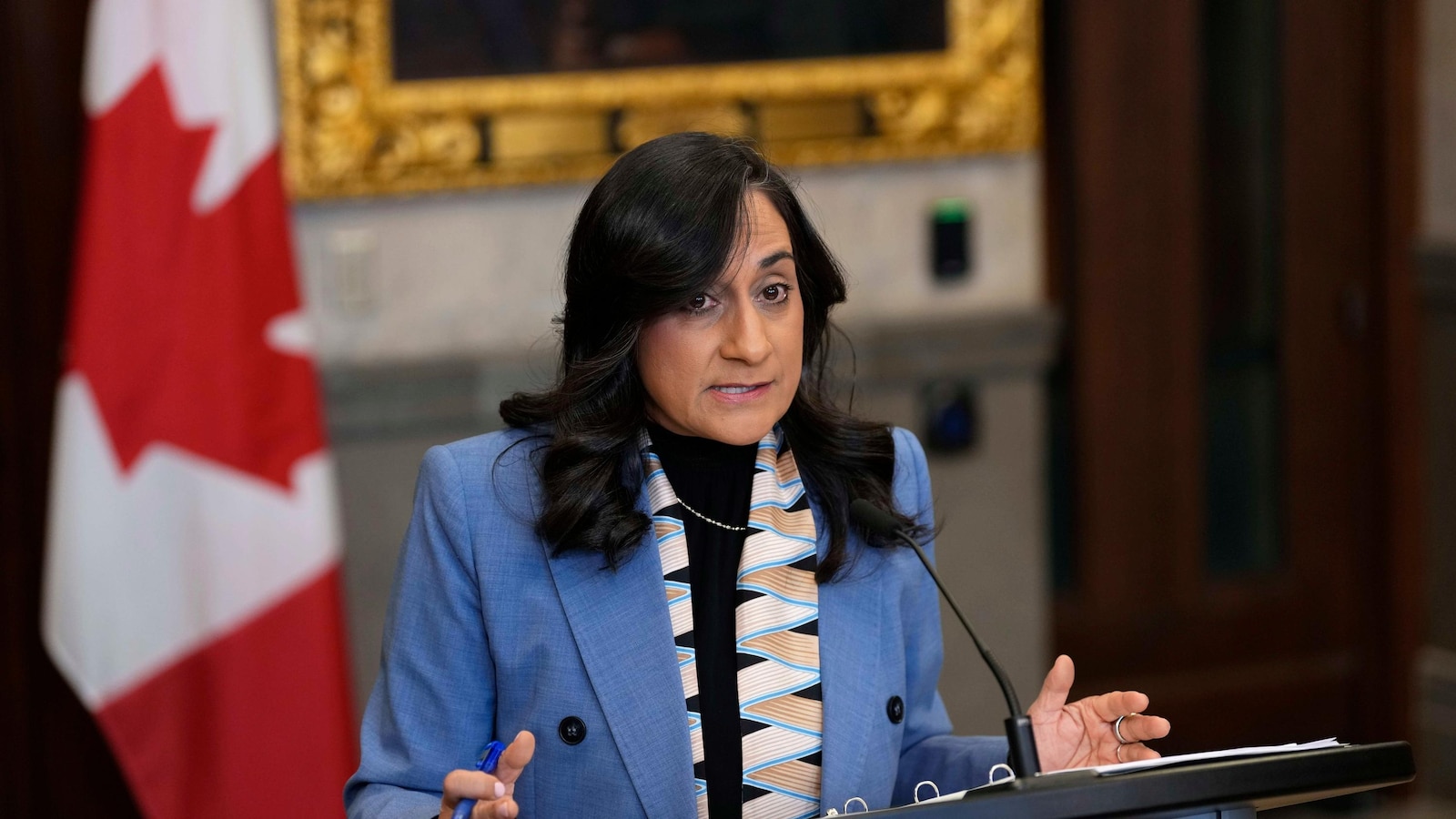
In a move that underscores Canada’s independent foreign policy stance, the Canadian government announced this week that it will be providing $8 million Canadian dollars (approximately $6.7 million U.S.) in food assistance to Cuba. The aid comes at a critical time as the Caribbean island nation grapples with an increasingly severe fuel shortage that has left its population struggling with basic necessities. Foreign Affairs Minister Anita Anand made it clear that this decision was made without consultation with American officials, including U.S. Secretary of State Marco Rubio. “This is Canadian foreign policy,” Anand stated firmly, emphasizing that Canada’s focus remains squarely on addressing the humanitarian situation unfolding just a short distance from North American shores. Rather than channeling the aid directly through the Cuban government, Canada has chosen to work through United Nations agencies to ensure the assistance reaches those who need it most. This approach allows Canada to provide crucial support while maintaining transparency and accountability in how the resources are distributed.
The Perfect Storm: How Cuba’s Energy Crisis Reached a Breaking Point
Cuba’s current predicament didn’t emerge overnight but rather represents the culmination of several converging crises that have been building for years. For more than a year now, Global Affairs Canada has been issuing warnings to travelers about widespread “shortages of basic necessities, including food, medicine and fuel” throughout most of the island. The situation took a dramatic turn for the worse in recent weeks following a series of geopolitical developments that left Cuba’s already fragile energy infrastructure on the brink of collapse. The island’s primary lifeline for oil shipments from Venezuela was severed in early January when the United States took action against the South American nation and arrested its leader. This move effectively cut off Cuba’s main source of petroleum products. Shortly thereafter, Mexico, another significant supplier, also suspended its oil shipments to Cuba under pressure from the United States, which has been pursuing an increasingly aggressive economic strategy toward the communist-led nation. The result has been a cascade of problems affecting every aspect of daily life on the island, from electricity generation to transportation and food distribution.
Aviation Industry Feels the Pinch as Tourism Lifeline Threatened
The ripple effects of Cuba’s fuel shortage have extended well beyond the island’s borders, directly impacting international aviation and the critical tourism sector that serves as one of Cuba’s few remaining economic pillars. Air Canada, along with several other international carriers, has been forced to cancel flights to the Caribbean destination due to a shortage of aviation fuel on the island. This development carries particularly significant implications given that Canadian tourism represents a vital component of Cuba’s economy. According to Global Affairs Canada, Canada ranks as Cuba’s second-largest source of direct investment on the island, with Canadian businesses playing especially important roles in the mining and tourism sectors. The cancellation of flights doesn’t just affect tourists seeking Caribbean sunshine; it also disrupts the flow of business travelers, visiting family members, and the goods they often carry with them. For many Cubans, the connection to Canada has represented both an economic opportunity and a cultural bridge to the outside world. The suspension of regular air service threatens to isolate the island further at precisely the moment when it can least afford additional economic disruption.
Mexico Joins Relief Efforts with Substantial Supply Shipments
Canada isn’t alone in responding to Cuba’s humanitarian needs. Mexico has stepped forward with its own assistance package, demonstrating regional solidarity in the face of the crisis. Two Mexican navy vessels departed from the Gulf of Mexico port of Veracruz this week, carrying an impressive 1,193 tons of essential supplies that are expected to reach Cuban shores by Saturday. The Papaloapan is transporting 1,078 tons of beans and powdered milk, while the Huasteco carries 92 tons of beans and 23 tons of various other food items. What makes this shipment particularly noteworthy is that the final 23 tons of humanitarian aid were contributed by various social organizations with support from the Mexico City government, highlighting the grassroots level of concern about Cuba’s situation. This marks Mexico’s second major aid delivery in recent months. In February, Mexico dispatched more than 814 tons of food and hygiene products to Cuba while diplomatic negotiations continued regarding the possible resumption of oil supplies. Those oil shipments had been halted in mid-January, just days before U.S. President Donald Trump announced a significant tightening of the economic embargo on Havana, further constricting the island’s already limited economic options.
Long-Term Economic Struggles Compounded by Geopolitical Pressures
To understand the full scope of Cuba’s current crisis, it’s essential to recognize that the island has been struggling economically since 2020, well before the recent fuel shortages brought matters to a head. The economic downturn has been significantly worsened by intensified U.S. sanctions explicitly designed to force a change in Cuba’s political system and governance model. These mounting pressures have created critical shortages across multiple sectors and contributed to severe electrical blackouts that reached their peak in early 2026. The fundamental problem is one of dependency and vulnerability: Cuba produces only about 40 percent of the fuel it requires to keep its economy functioning, making it extremely susceptible to external blockades and supply disruptions. This structural weakness means that when major suppliers like Venezuela and Mexico cut off shipments—whether due to their own problems or external pressure—Cuba has very limited options for finding alternative sources quickly. While traditional allies such as Russia and China have publicly condemned U.S. measures against Cuba and expressed support for the island’s government, their assistance has remained largely symbolic rather than substantive thus far, leaving Cuba to face its most severe crisis in decades with limited external support.
International Response Highlights Diverging Approaches to Cuba Policy
The contrasting responses to Cuba’s humanitarian crisis reveal deeper philosophical differences about how the international community should engage with nations under economic stress. Canada’s decision to provide aid through UN agencies, without coordinating with U.S. officials, represents a pragmatic humanitarian approach that prioritizes alleviating human suffering over political considerations. This stance reflects Canada’s historical relationship with Cuba, which has maintained diplomatic and economic ties even during periods when the United States enforced strict isolation policies. Mexico’s substantial aid shipments similarly demonstrate a regional perspective that views Cuba’s stability as important to broader Caribbean and Latin American interests. Meanwhile, the United States continues to pursue a pressure campaign aimed at forcing political change, a strategy that critics argue primarily harms ordinary Cuban citizens rather than government officials. The situation also highlights the complex web of dependencies and vulnerabilities that characterize modern geopolitics, where fuel supplies can become weapons, humanitarian needs can become political bargaining chips, and small nations can find themselves caught between larger powers. As Cuba faces what may be its most challenging period since the collapse of the Soviet Union, the international response will likely shape not just the island’s immediate future but also set precedents for how humanitarian crises intertwined with political disputes are handled in an increasingly multipolar world. For now, Canadian and Mexican aid offers at least some relief to ordinary Cubans struggling with shortages of food and basic necessities, even as the larger questions about the island’s political and economic future remain unresolved.