
The Hepatitis B Vaccine Debate: A Contentious Confirmation Hearing
Understanding the Controversy
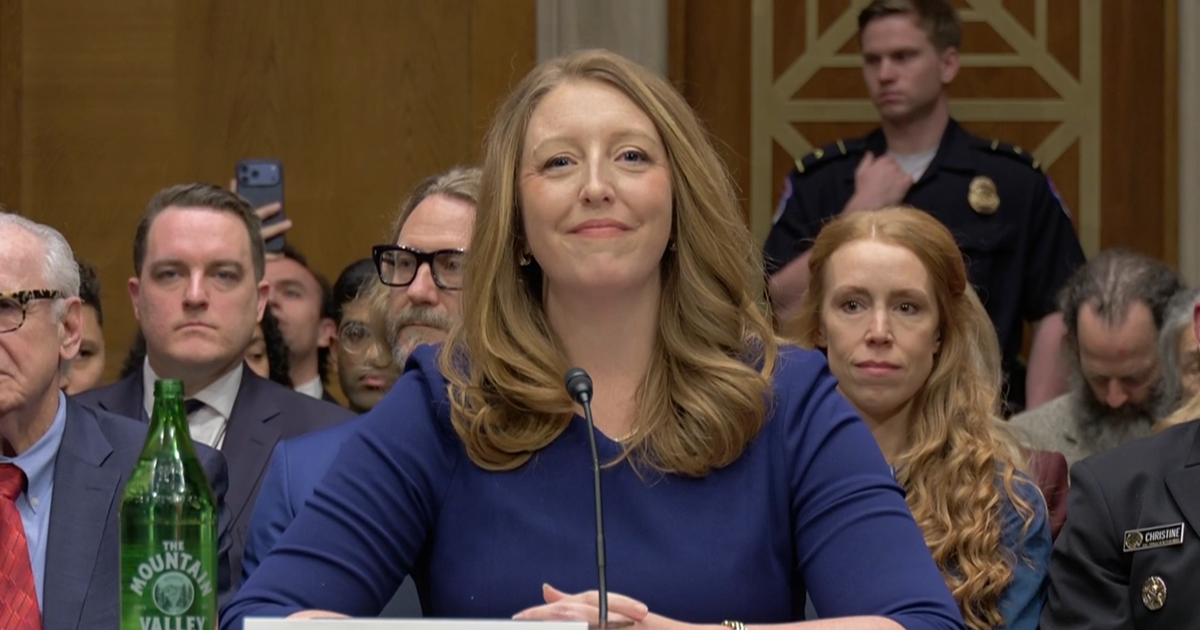
During a recent confirmation hearing, Dr. Janette Nesheiwat (referred to as Means in the testimony) found herself at the center of an intense debate regarding childhood vaccination policies, specifically concerning the Hepatitis B vaccine administered to newborns. The nominee faced pointed questions from senators on both sides of the aisle about her previous public statements questioning the universal recommendation for this vaccine at birth. Her past comments, made on social media platforms and during an appearance on Tucker Carlson’s podcast, suggested that she questioned whether all newborns needed this particular vaccine, given that Hepatitis B is commonly associated with transmission through sexual contact and intravenous drug use—activities obviously not relevant to newborns. This line of questioning highlighted the delicate balance public health officials must strike between acknowledging parental concerns about vaccine schedules and maintaining public health recommendations based on scientific evidence and real-world disease prevention success stories.
Real-World Evidence from Alaska
Senator Lisa Murkowski, a Republican from Alaska, provided compelling testimony that challenged the nominee’s previous characterization of Hepatitis B transmission. Drawing from her state’s direct experience with the disease, Murkowski painted a very different picture of how this potentially devastating illness spreads, particularly in certain communities. She explained that in Western Alaska, Hepatitis B has been endemic—a persistent presence in the community—and that transmission occurs through routes far more mundane and unavoidable than the sexual contact and drug use pathways that Means had emphasized. According to Murkowski, the disease spreads through ordinary childhood activities and household contact: mosquito bites that children scratch, sharing food between family members, using the same toothbrush, and minor injuries that are part of everyday childhood. These transmission routes make preventing the disease through early vaccination not just reasonable but essential, especially in communities where the virus is already circulating. Murkowski emphasized the remarkable public health success story that universal newborn vaccination has created in her state, noting that children who once would have faced liver cancer and serious liver disease are now being protected from these devastating outcomes. Her passionate plea was for the nominee to communicate these demonstrated, positive results to families rather than defaulting to vague statements about consulting with doctors, which could inadvertently undermine confidence in a proven preventive measure.
Defending Past Statements
When confronted by Democratic Senator Angela Alsobrooks of Maryland about a past social media post in which she appeared to suggest that vaccinating newborns against Hepatitis B constitutes a crime, Means attempted to walk back the inflammatory language. She claimed that she “supports vaccines” and that her previous statement had been taken “out of context”—a common refrain from public figures when confronted with their past controversial statements. This defense, while politically understandable, raised questions about what context could make such a strong statement appropriate for someone being considered for a significant public health position. The exchange highlighted a fundamental tension in modern public health discourse: how to acknowledge legitimate questions about medical interventions while not undermining public confidence in measures that have proven effective at preventing disease and saving lives. Means attempted to thread this needle by suggesting that the current administration is “continually studying the vaccine schedule,” implying that recommendations might change based on new evidence, though she didn’t cite any specific concerns with existing data supporting newborn Hepatitis B vaccination.
The Nuanced Conversation Americans Want
In her defense, Means suggested that American families are looking for a more “nuanced conversation” about vaccination decisions, specifically regarding “shared clinical decisionmaking with their doctors about specific vaccines that their children may not be as seriously at risk for.” This framing appeals to the growing movement of parents who want more individualized medical care for their children rather than one-size-fits-all protocols. There’s something genuinely appealing about this approach on its surface—after all, shouldn’t medical care be personalized to each patient’s specific circumstances? However, public health experts have raised concerns that this framing, when applied to universally recommended vaccines, can undermine herd immunity and leave vulnerable children unprotected. The challenge is that individual parents may not have complete information about disease prevalence in their communities, future risk factors their children might encounter, or the broader public health benefits of universal vaccination programs. While shared decision-making between parents and physicians is certainly valuable, it works best when both parties are working from the same evidence-based understanding of risks and benefits, rather than when one party is questioning the fundamental premises of established public health recommendations.
Pressed for a Clear Position
Senator Bill Cassidy, a physician himself, pressed Means repeatedly on whether she agrees with the goal of universal Hepatitis B immunization—a straightforward question that should have had a straightforward answer for someone being considered for a public health leadership position. Her initial response was notably evasive, pointing out that “any parent in America can walk into their pediatrician’s office and get access to the Hepatitis B vaccine for their child if they want it.” While technically true, this answer sidestepped the actual question about whether universal vaccination should be the goal of public health policy. There’s a significant difference between making a vaccine available to those who seek it out and actively recommending it for all children as a public health measure. Cassidy’s persistence in asking the question multiple times reflected his concern that the nominee was unwilling to clearly endorse a long-standing, evidence-based public health recommendation. Only after repeated questioning did Means concede that vaccination “at some point in childhood” would be a good goal—still a more hedged position than the current recommendation of vaccination at birth, which is designed to provide protection as early as possible, particularly for children who might be exposed through household contacts or in communities where the disease is more prevalent.
The Broader Implications
This confirmation hearing exchange reflects broader tensions in American public health policy and the ongoing debate about vaccination recommendations. The COVID-19 pandemic significantly eroded public trust in health institutions for some segments of the population, leading to increased skepticism about all vaccine recommendations, not just those related to coronavirus. Public health officials now face the challenge of rebuilding this trust while maintaining evidence-based recommendations that protect the most vulnerable. The Hepatitis B vaccine debate is particularly instructive because this vaccine has a decades-long track record of safety and effectiveness, with clear evidence of disease prevention in populations where it’s been universally administered. Unlike newer vaccines where some uncertainty might be more understandable, questioning this particular vaccine’s role in the childhood schedule suggests either unfamiliarity with the evidence or a philosophical opposition to universal vaccination recommendations more broadly. For senators evaluating nominees for public health positions, these hearings serve as crucial opportunities to understand not just what candidates say they believe, but how they’ll communicate with the public about health recommendations. The challenge is finding leaders who can acknowledge legitimate questions, engage respectfully with concerned parents, and still clearly advocate for evidence-based policies that protect children from preventable diseases. As Senator Murkowski’s testimony made clear, these aren’t just abstract policy debates—they have real consequences for children’s health in communities across America.